Venice Out of Season
Fog on the water, high tide in the campi and empty squares after dark: a week of Venice in December, when the city has room to breathe.
Clara had been to Venice once before, in August, and what she mostly remembered was other people’s elbows. So when we finally went together, we went in December, rented a small flat in Santa Croce for a week, and made only one plan: get up early.
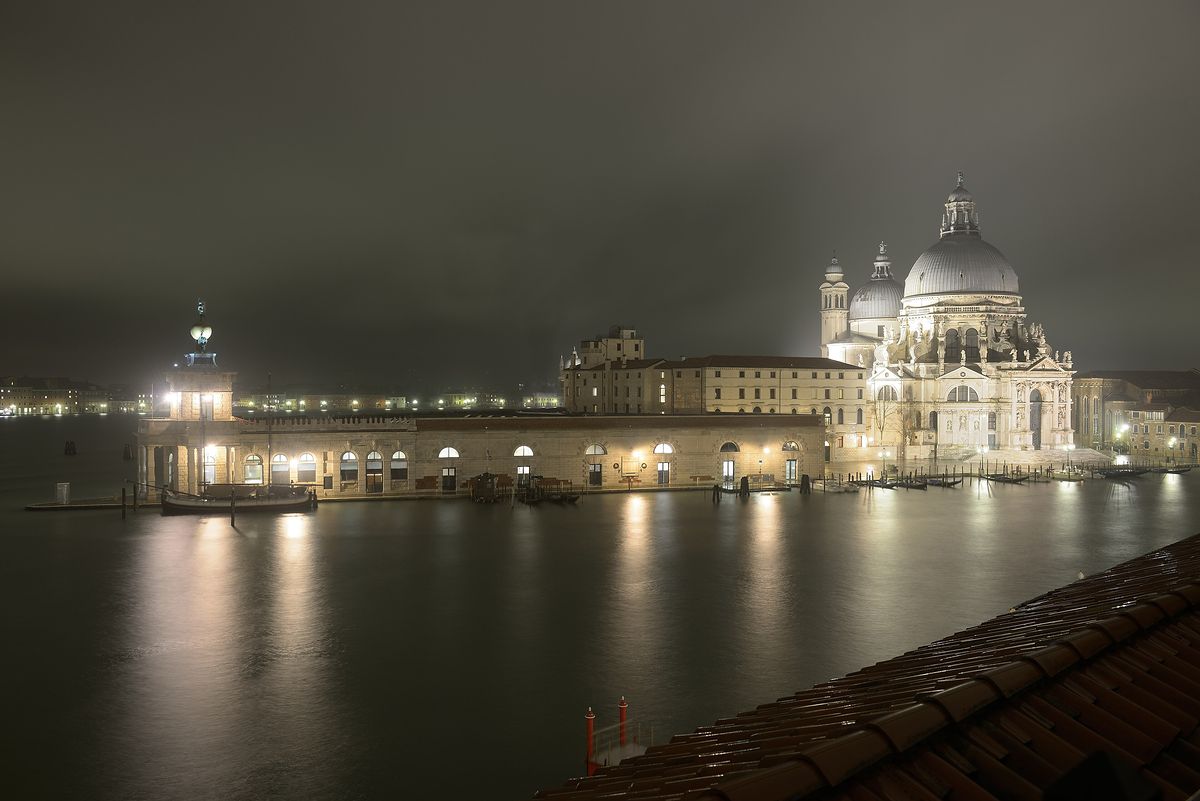
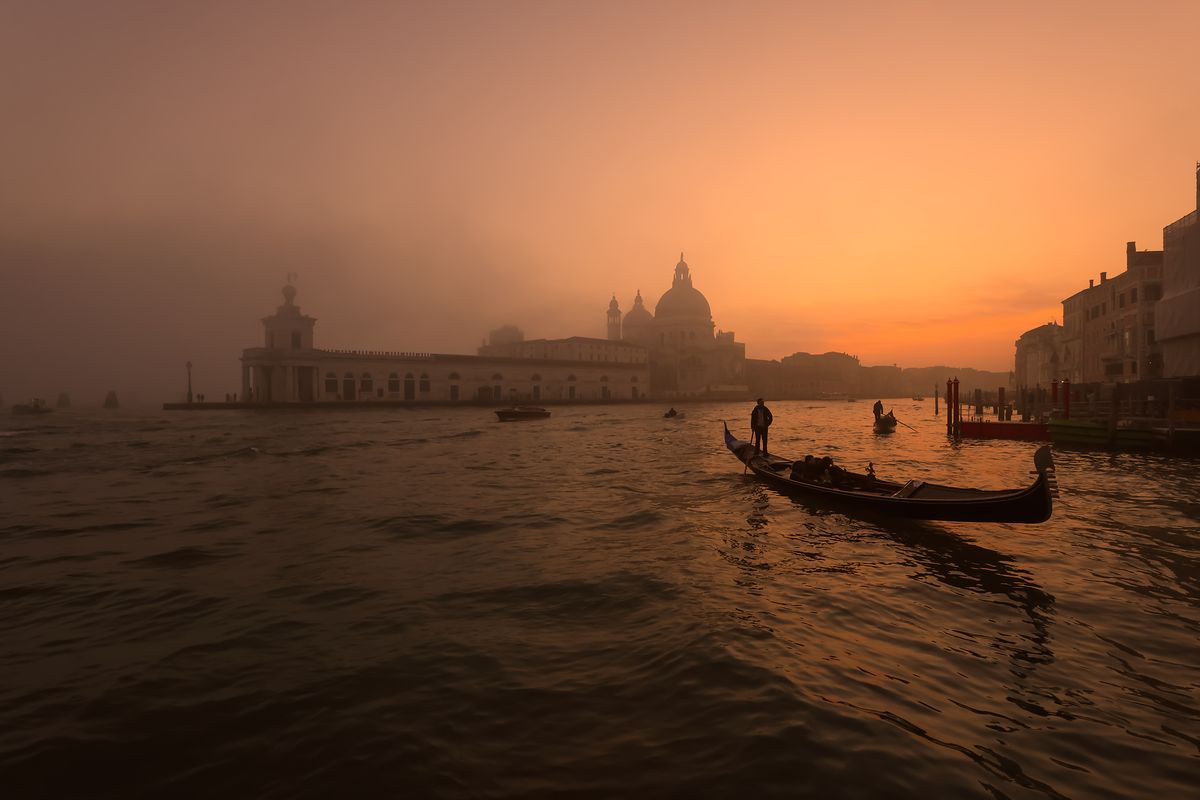
It was the right call. On the first morning we walked down through Dorsoduro before eight and found the water gone white. The Punta della Dogana floated in the mist like a stage set waiting for its actors, the sun came up behind the Salute as a dull orange coin, and a single gondolier rowed across the whole scene, unhurried, apparently just on his way to work. We stayed until our hands hurt.
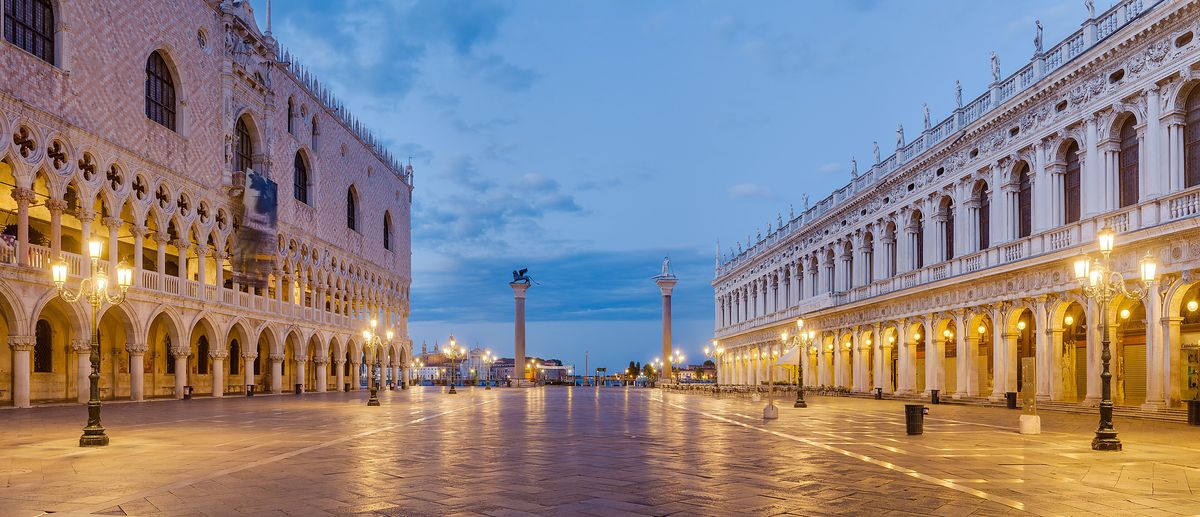
At that hour the Piazzetta belongs to the street cleaners and the pigeons. The lamps were still lit under the arcades of the Doge’s Palace, the lion and the saint stood on their columns by the water, and for ten minutes there was nobody else there at all.
High water
On the Wednesday the sirens went off at dawn. Venice announces acqua alta with a long wail and then a run of rising notes, each step meaning higher water. The barriers at the mouths of the lagoon only go up for the biggest tides. This one didn’t qualify, but it was plenty for Campo Santa Margherita.
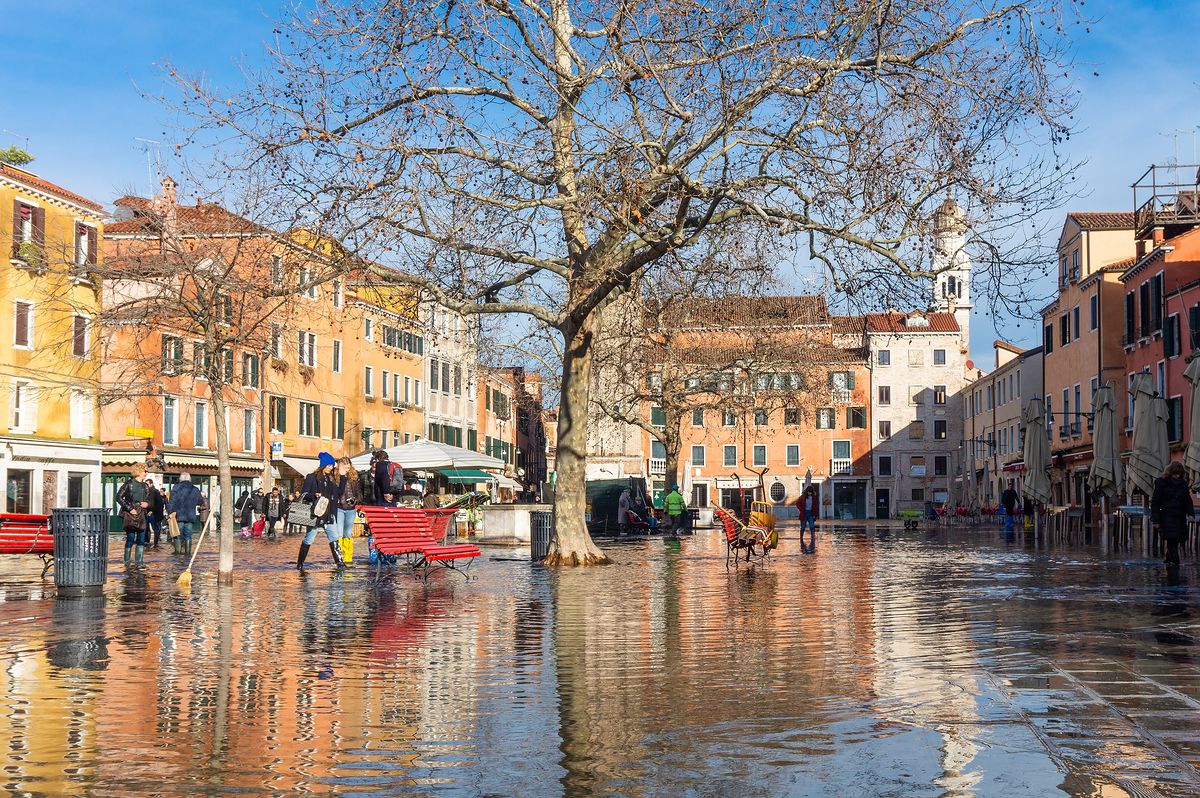
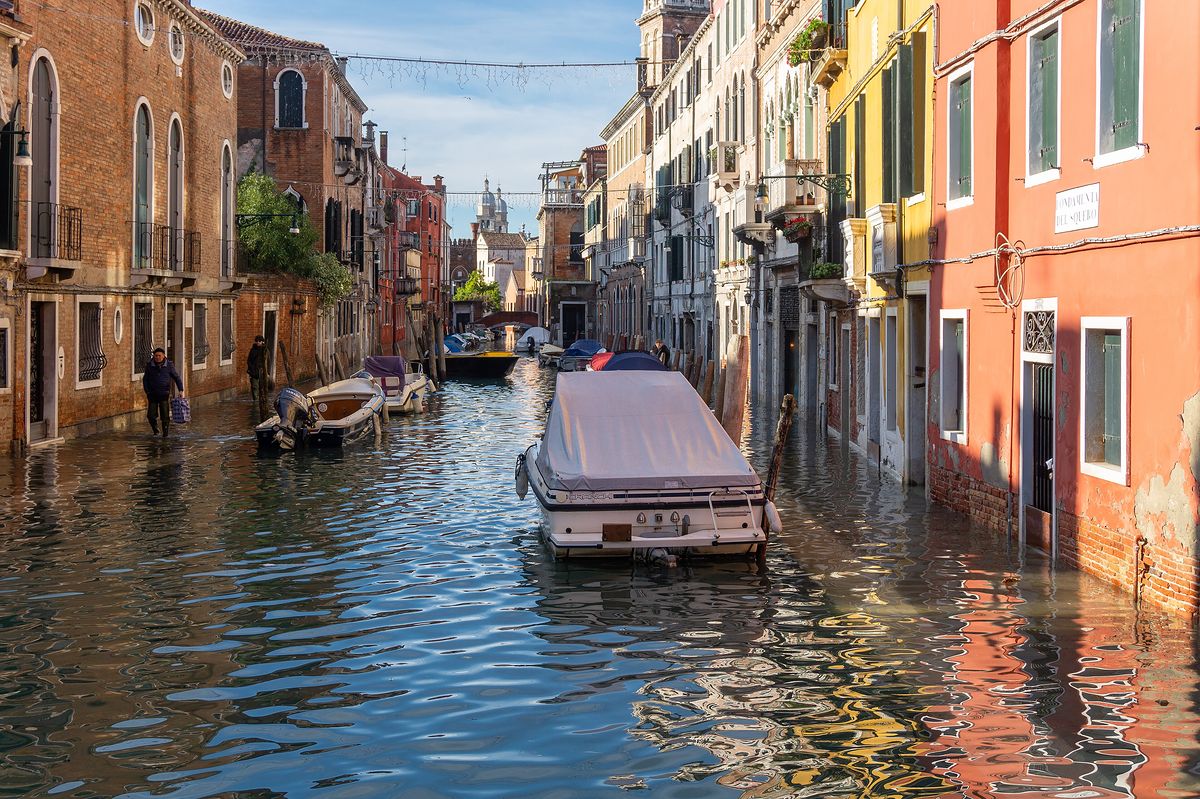
By nine the campo was a shallow lake with a plane tree standing in it. Nobody seemed especially bothered. Shopkeepers swept water out of their doorways with the patience of people who do this several times a winter, children splashed through it on purpose, and the whole square doubled itself under a sky that had turned improbably blue. A few streets away the canal had simply carried on over the edge of the fondamenta.
By lunchtime the tide had turned and the water drained away through the drains in the paving as if someone had pulled a plug. Clara’s boots were dry. Mine, it turned out, had a split in the left heel.
Grey days and gulls
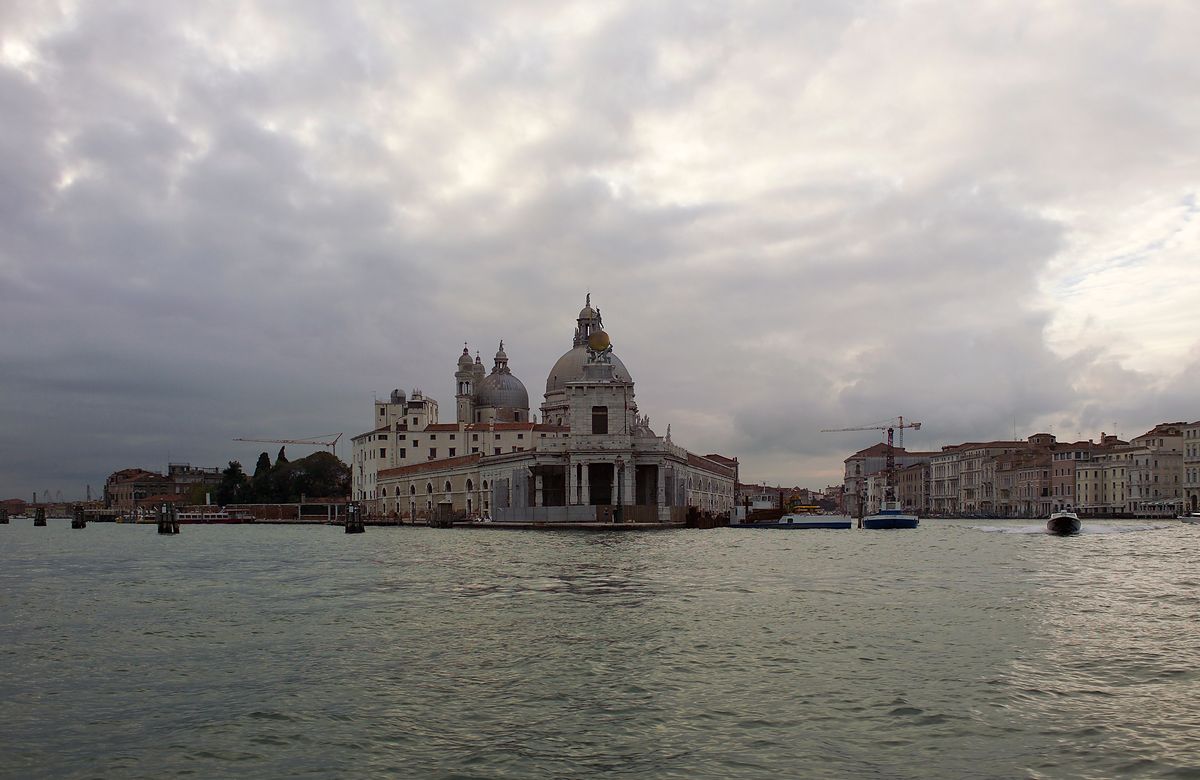
Not every day was so theatrical. There were long grey afternoons when the gondolas stayed under their covers and the lagoon and the sky were the same colour, with the domes of the Salute sketched faintly in between.
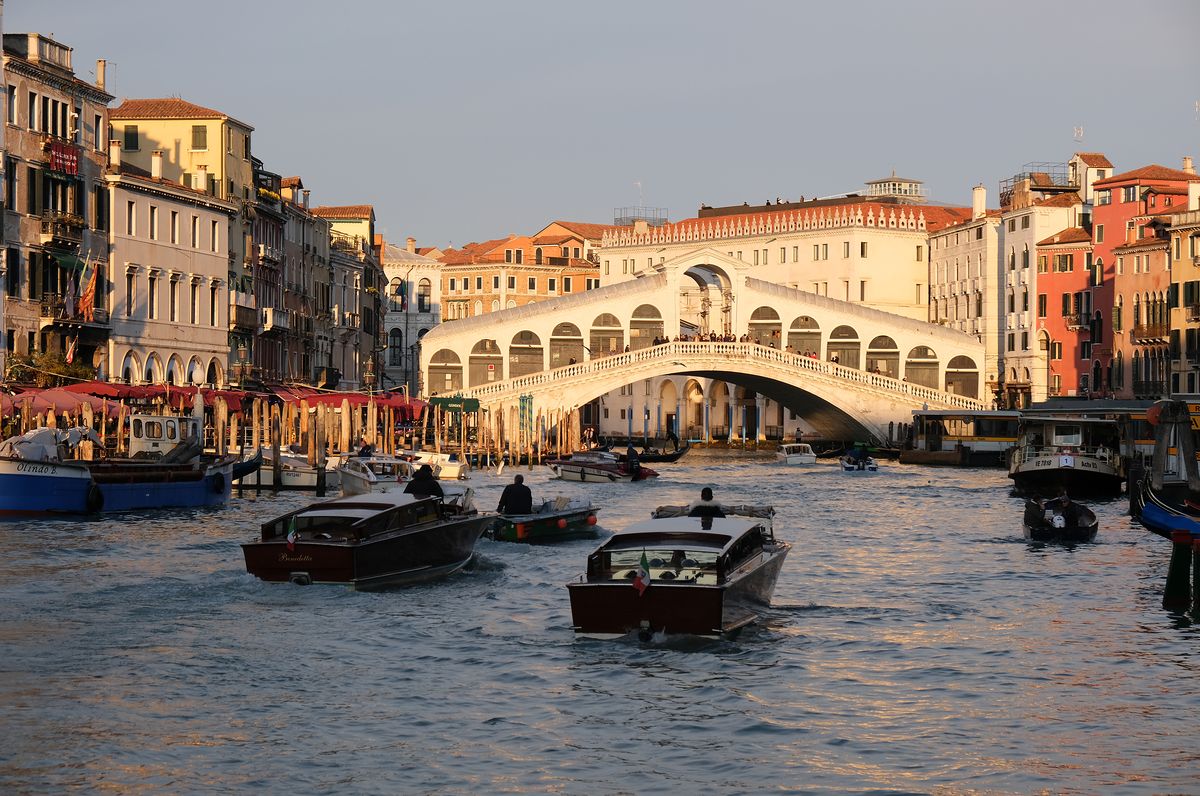
And there were clear, cold days when the low sun turned the Grand Canal gold by three o’clock. Even at the Rialto there was room to stop on the steps.
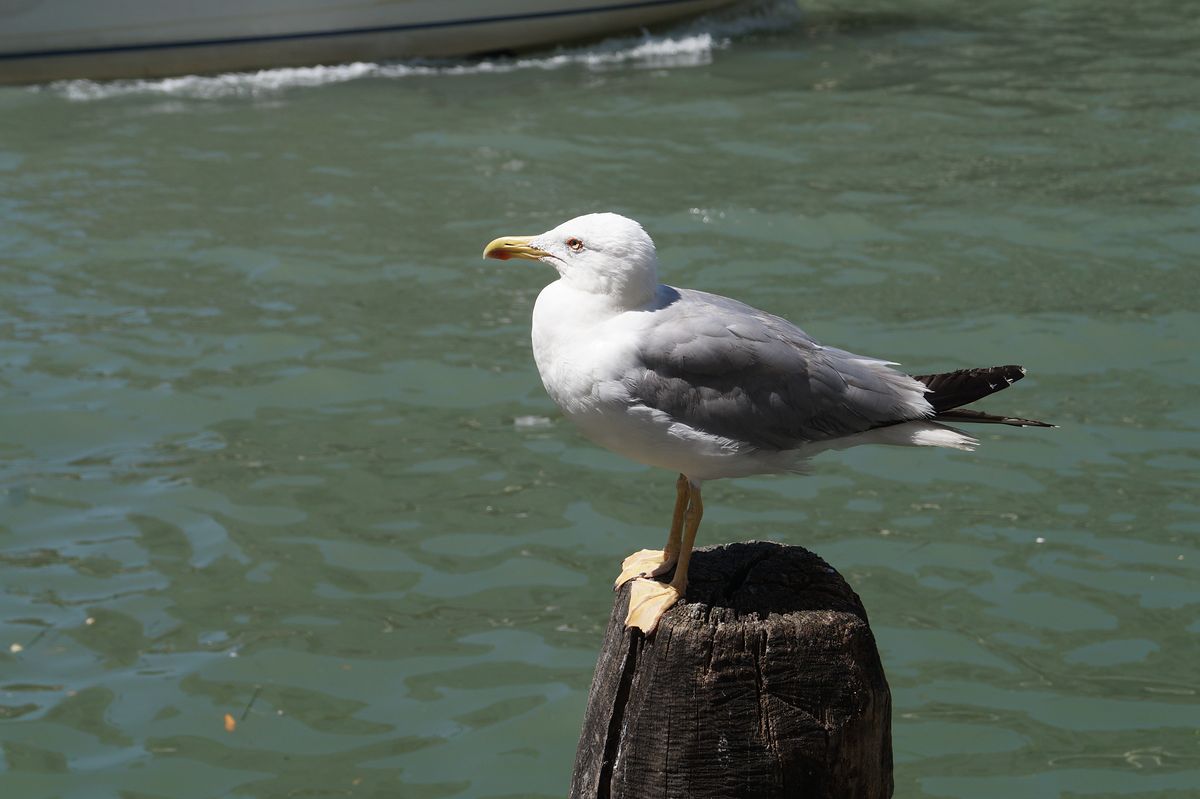
The gulls do not take the winter off. One sat on a mooring post and watched a man eat a pastry with an intensity I have otherwise only seen in Clara watching me park.
Out to the islands
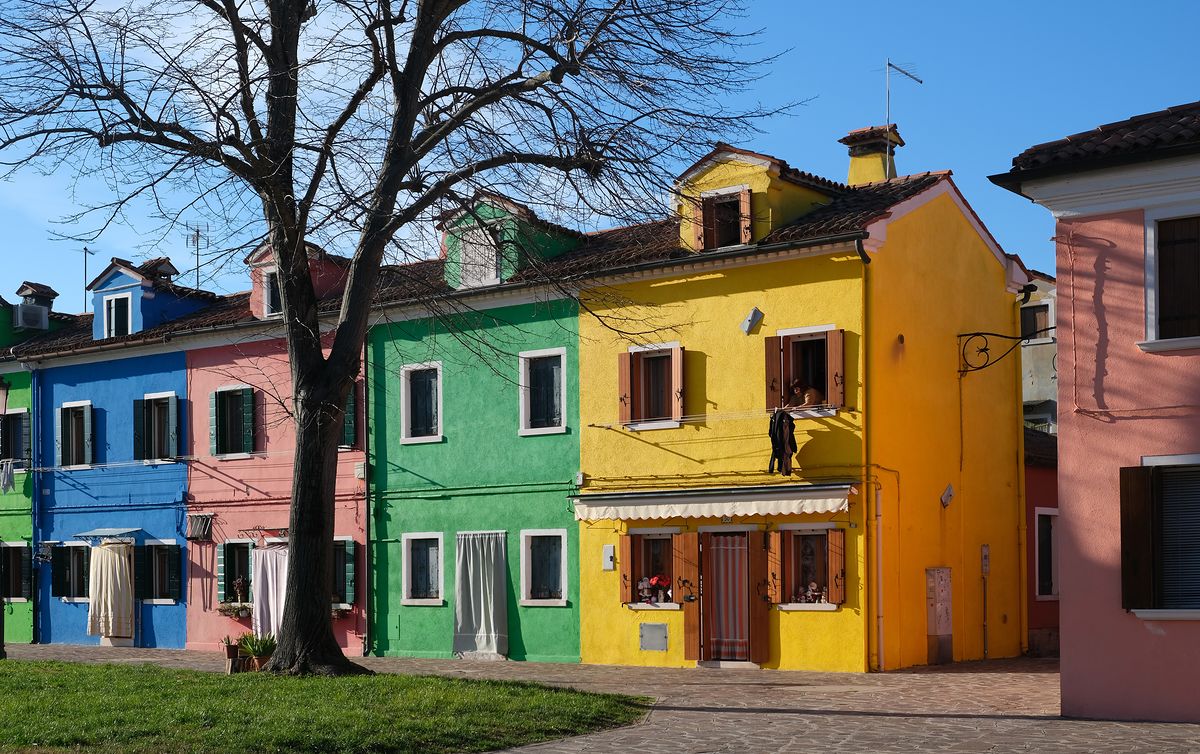
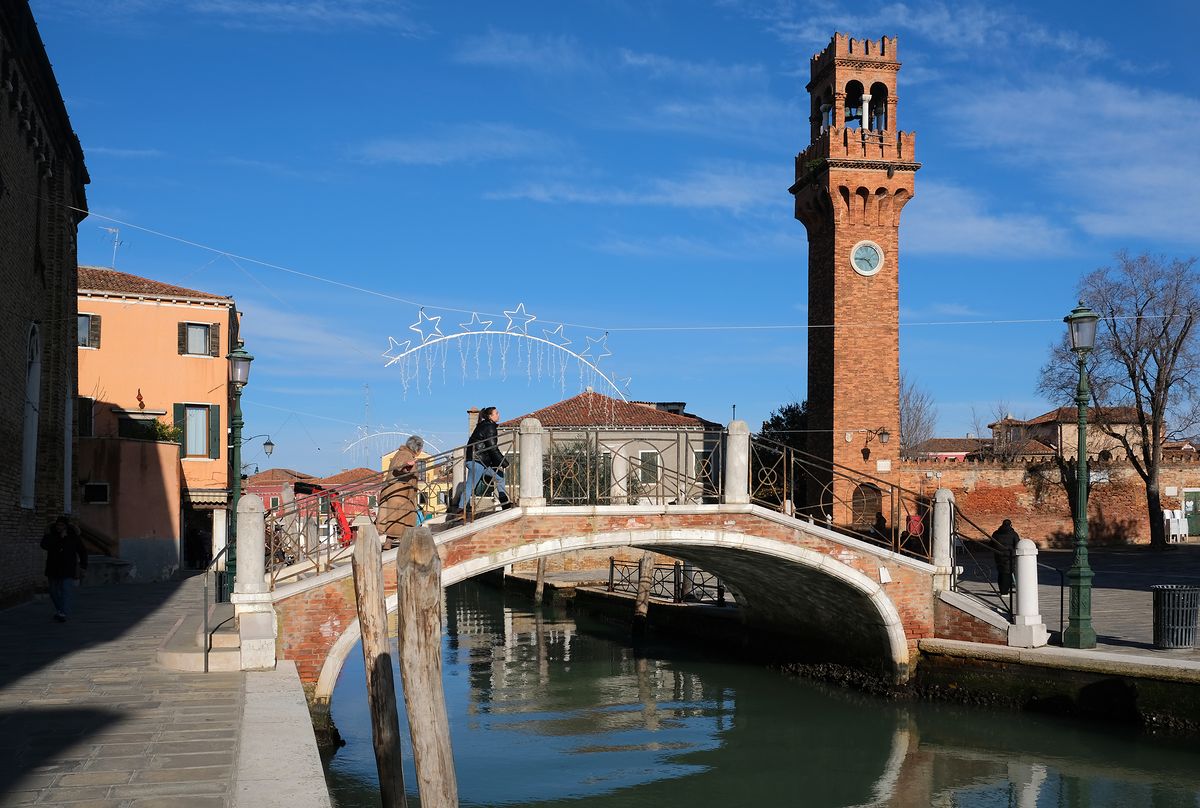
One morning we took the vaporetto from the Fondamente Nove across the lagoon. Murano had strung lights over its bridges for Christmas. Burano, its houses painted every colour on the chart, was almost empty, the trees bare and the leaning bell tower of San Martino tilting above the roofs.
After dark
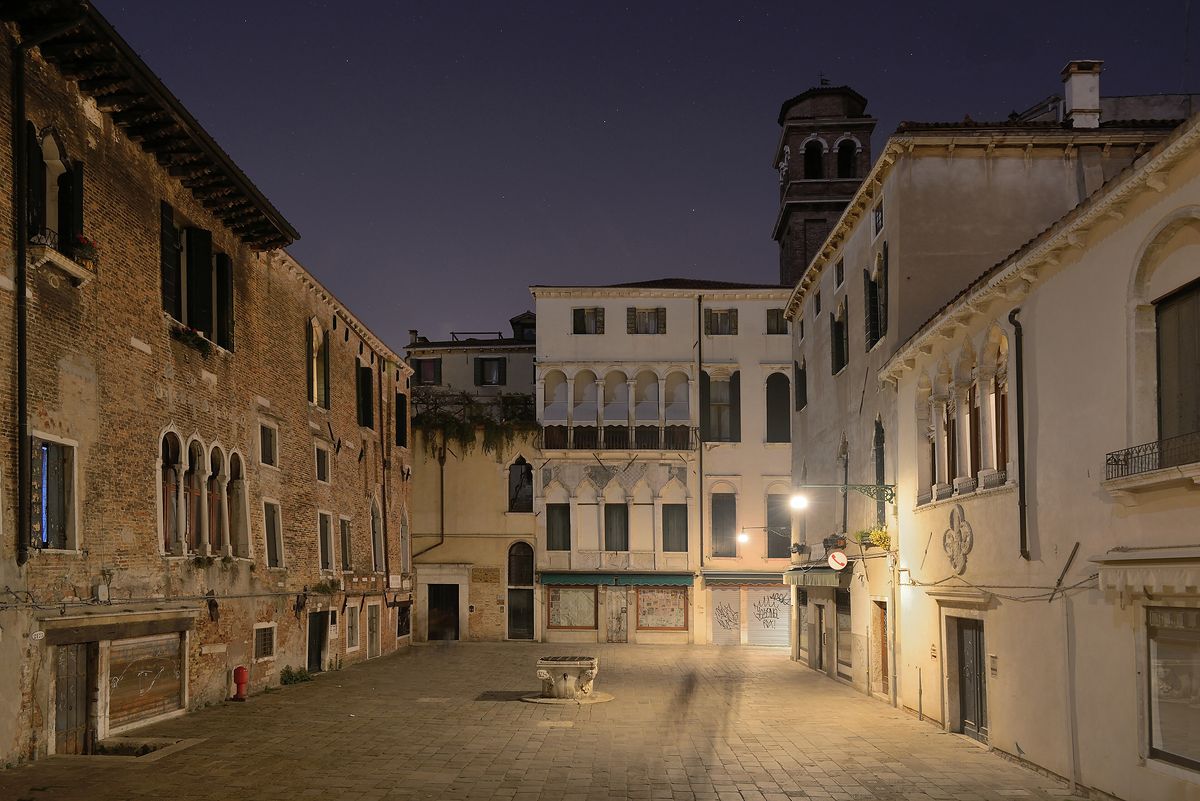
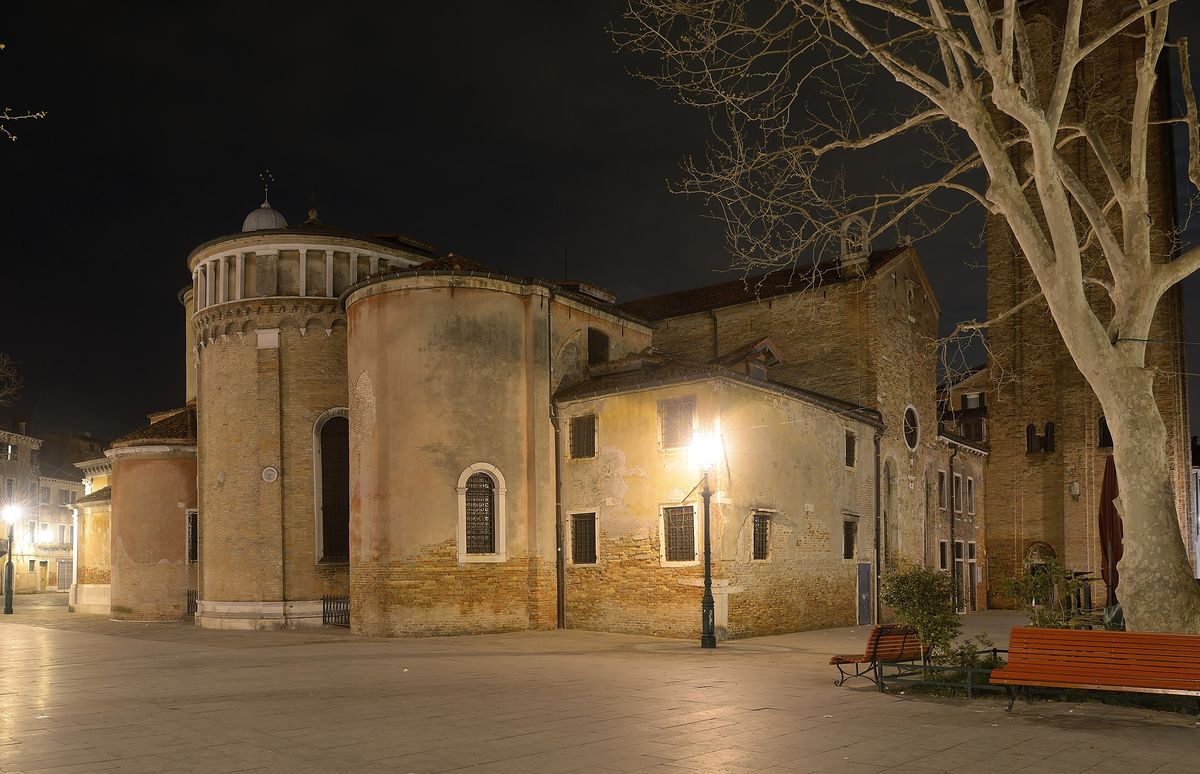
What I will remember most, though, are the evenings. It is dark by five in December, and once the day-trippers have caught their trains, whole districts empty out. We walked home through Santa Croce every night without a map, getting lost on purpose, and kept arriving in squares with nobody in them: Campo Santa Maria Mater Domini with its wellhead and a couple of lamps, or San Giacomo dell’Orio, the old brick apse glowing under a bare plane tree.
On our last night the fog came back. From the far side of the Grand Canal the Salute was a pale shape hanging in the murk, its lights smeared across the black water. Clara said she finally understood why people have been painting this city for centuries. I said it was probably because in summer they couldn’t get a seat anywhere else.