Clockwise in July
A week on Iceland’s ring road in midsummer: waterfalls, glacier ice and evenings that never got dark, remembered from an Edinburgh January.
It is four o’clock in Edinburgh, the street lamps are already on, and that seems as good a reason as any to finally write up the week Clara and I spent driving Iceland’s ring road last July. We went clockwise from Reykjavík: seven days, one small hire car, and in all that time I never once saw it get properly dark. In January that feels like something I made up.
West and north
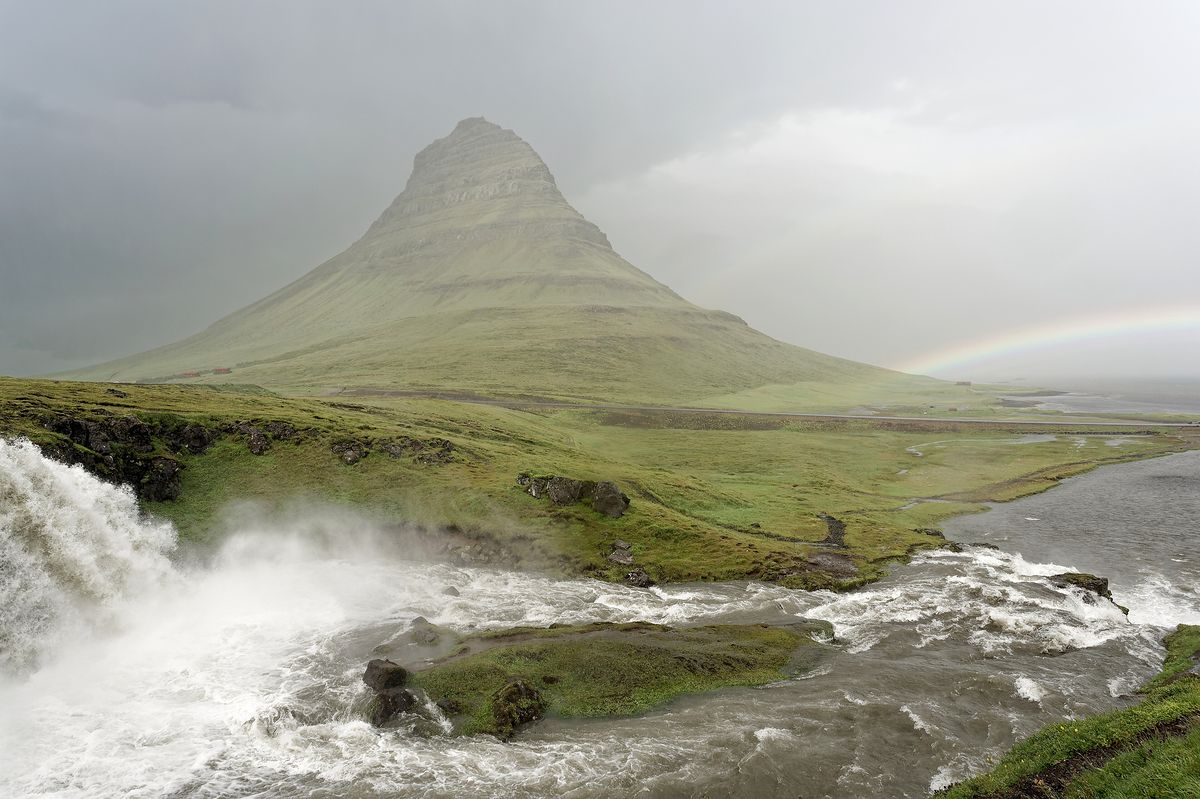
We started badly, or at least wetly. On Snæfellsnes the rain came in sideways while the sun shone from somewhere behind us, and Kirkjufell stood over its little waterfall with a rainbow parked out to sea. Clara stayed in the car. I stood by the falls long enough for the water to get into my boots, and decided it was worth it.
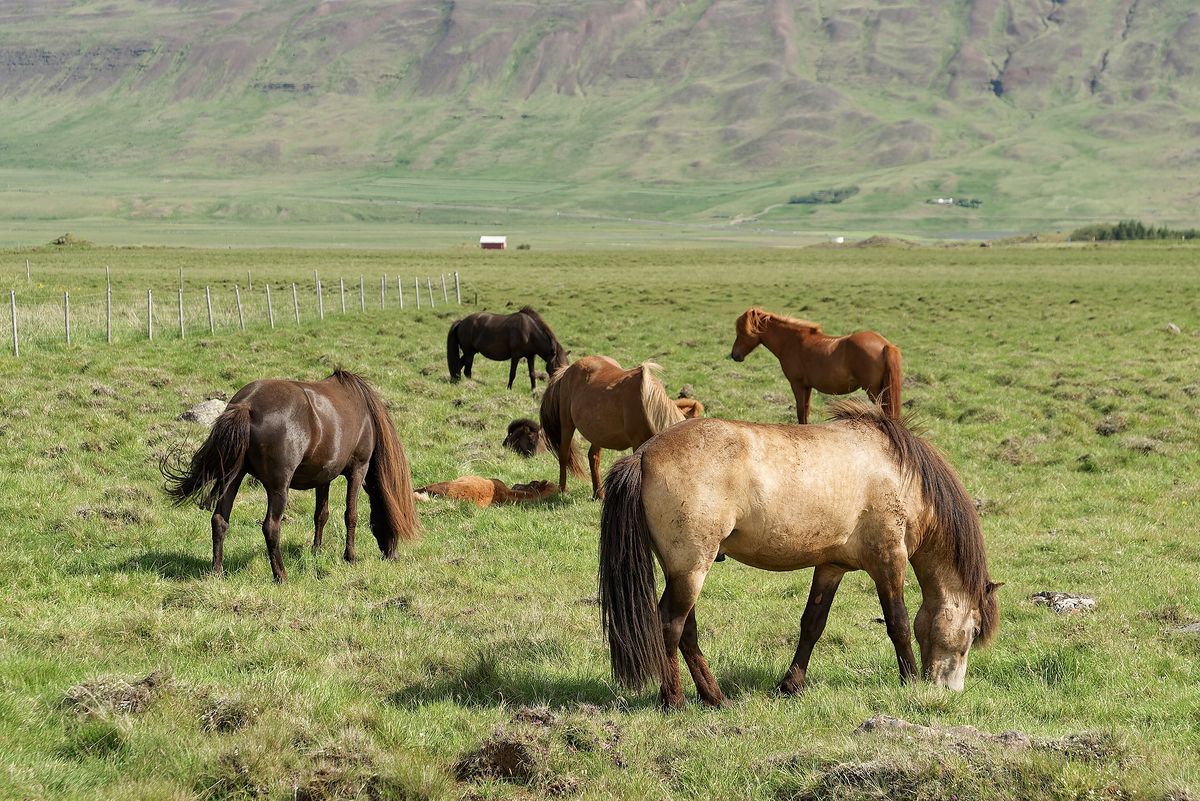
The next morning was gentler: Hraunfossar, where the river doesn’t so much fall as leak out of the lava in a hundred white threads, then a long drive north through farmland where the horses barely lifted their heads as we passed.
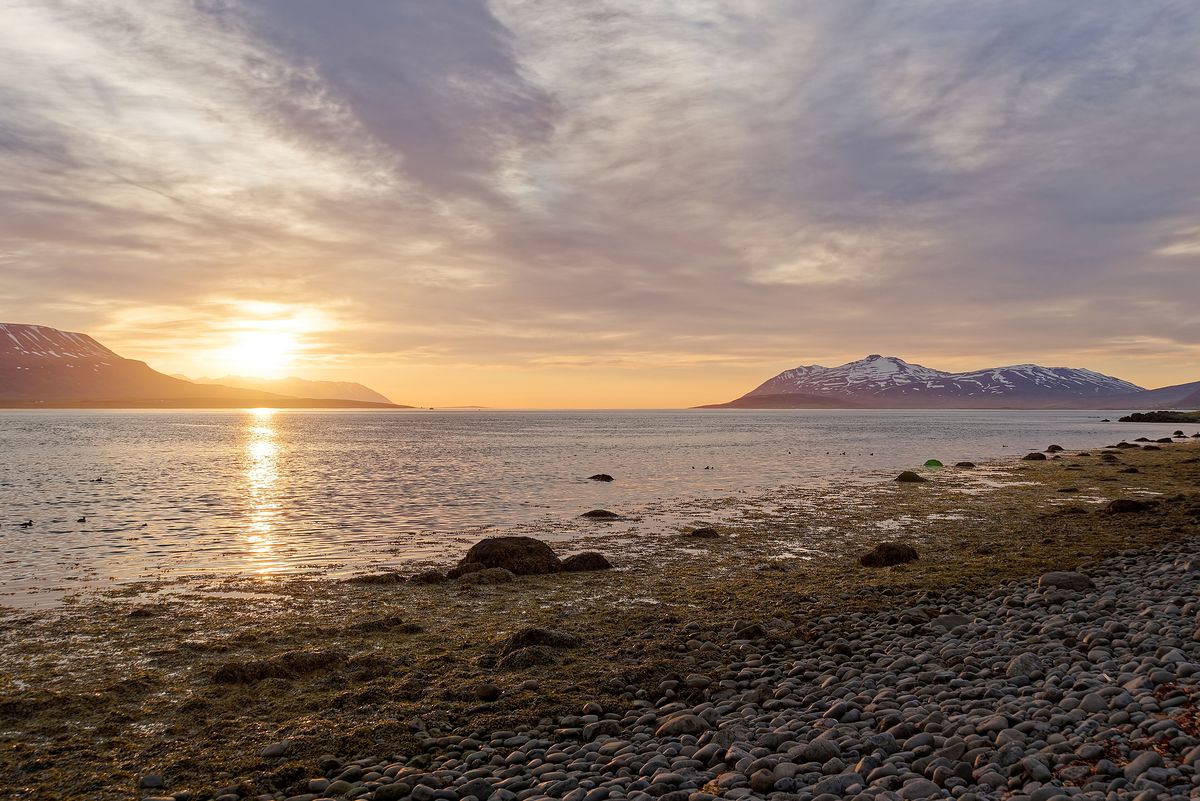
By the time we reached Eyjafjörður it was half past ten at night and the sun was still hanging over the water, refusing to finish. We sat on the stony shore with crisps and a flask of tea, and nobody, the sun included, seemed in any hurry to go to bed.
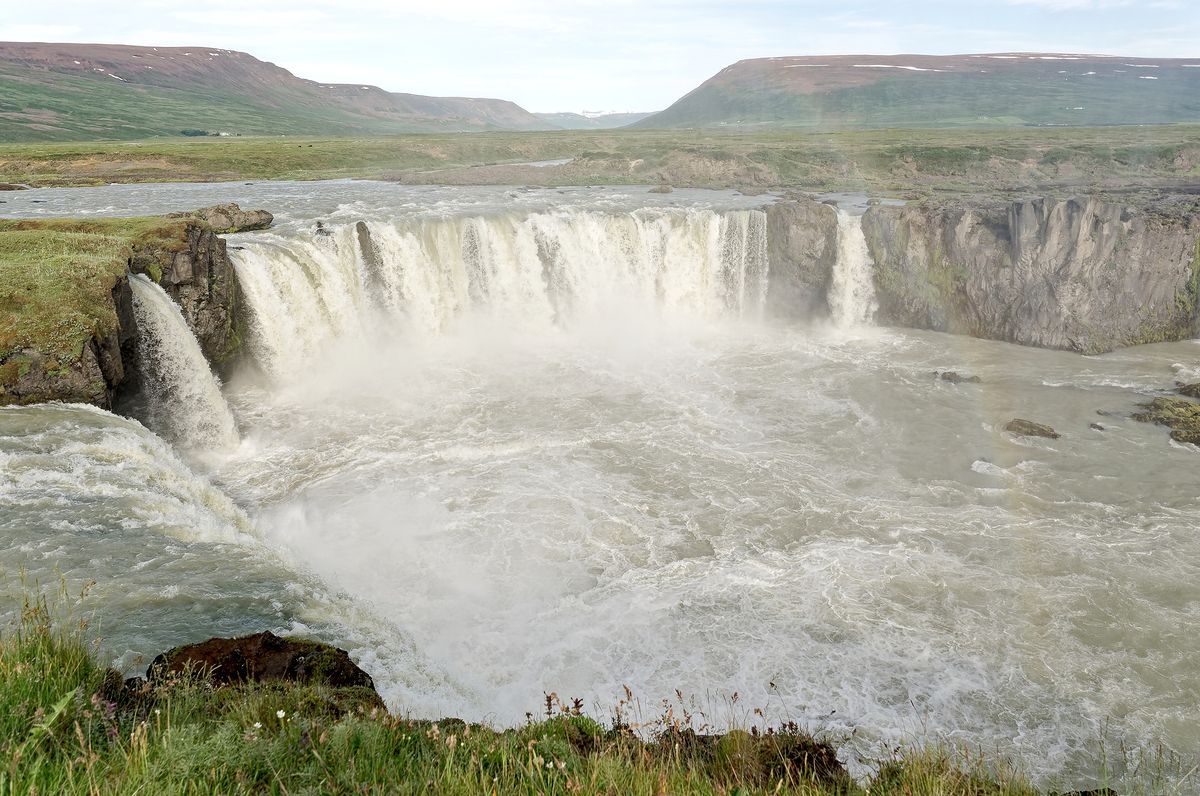
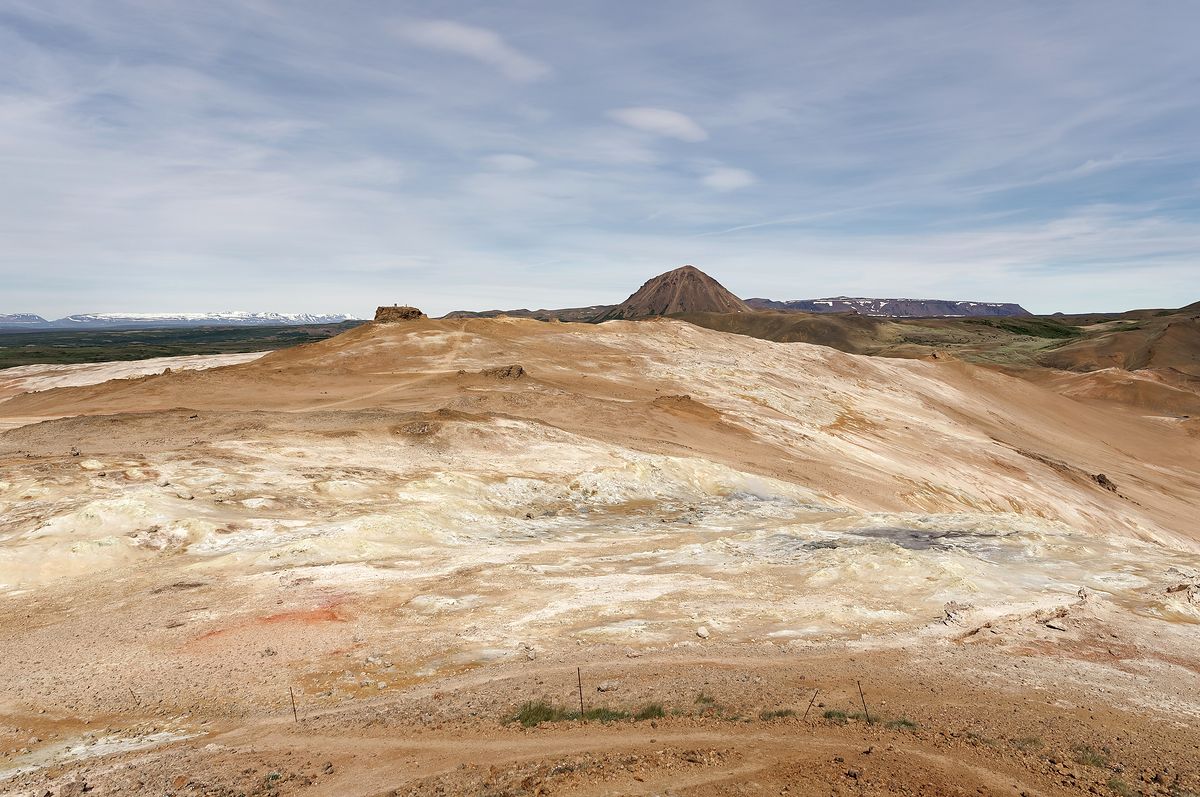
Goðafoss the next morning was loud and generous, a horseshoe of water you can walk almost to the lip of. Then the landscape changed completely. Around Námafjall the ground turns orange and cream and smells firmly of eggs; steam leaks from the hillside and the paths are roped off for good reason. I liked it more than I expected to. Clara held her scarf over her nose and said she liked it exactly as much as she had expected to.
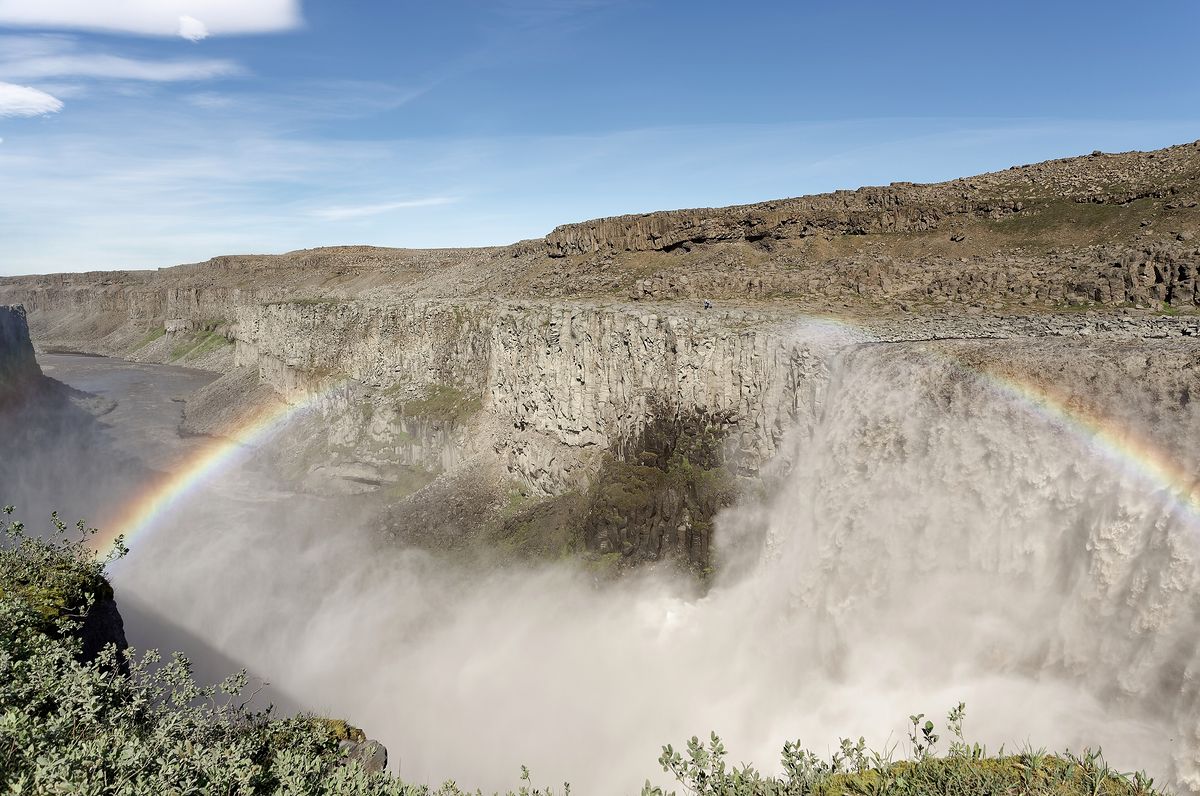
Dettifoss is a different animal. The water is grey with glacial silt, the canyon walls are dark basalt, and the spray rises high enough to make its own weather. On our afternoon there it made a rainbow that hung across the gorge for most of an hour.
East and south
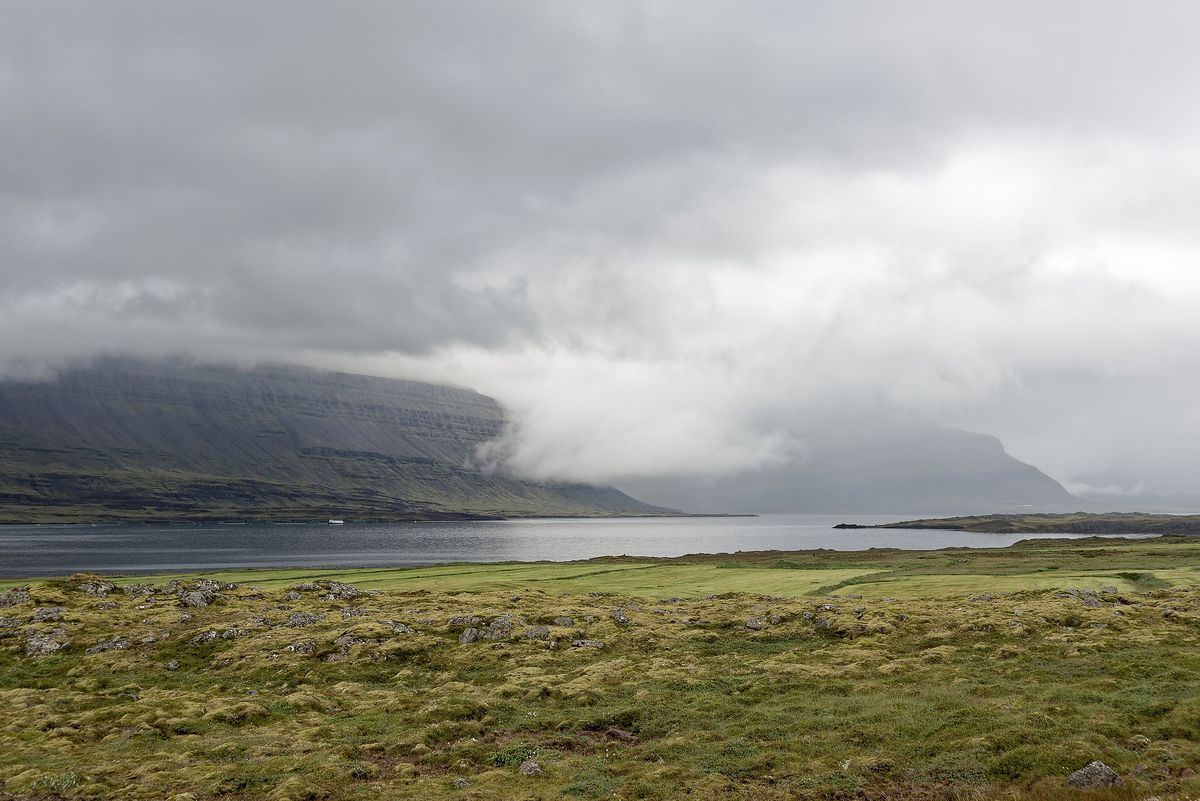
The east was cloud. Berufjörður came and went behind it, the far shore appearing for a minute and then dissolving, while the road wound in and out of every inlet with what felt like personal malice. We stopped often, mostly to stretch, partly to look.
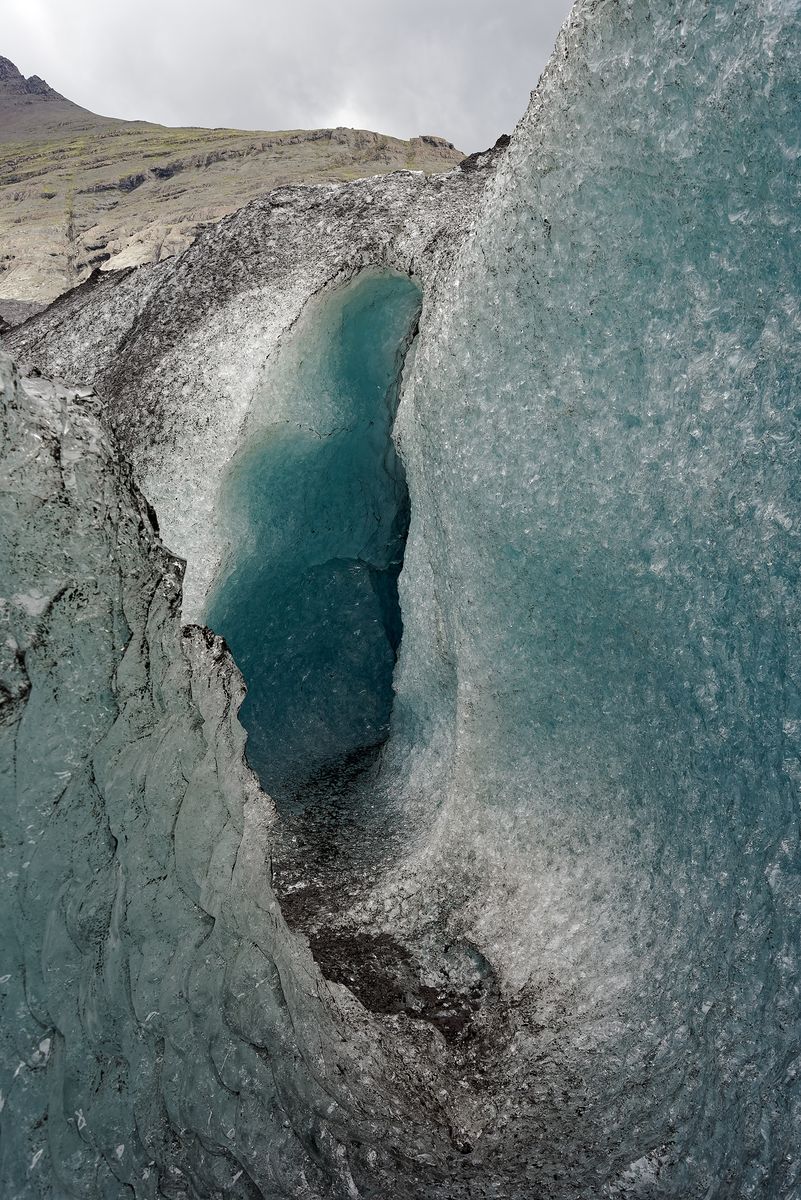
The south-east is where the ice begins. We had booked a guided walk on Breiðamerkurjökull, and I had pictured something white and pristine. In fact the surface is streaked with ash and grit, grey and ridged like an old pavement, until you peer into a crevasse and find a blue so intense it looks lit from inside.
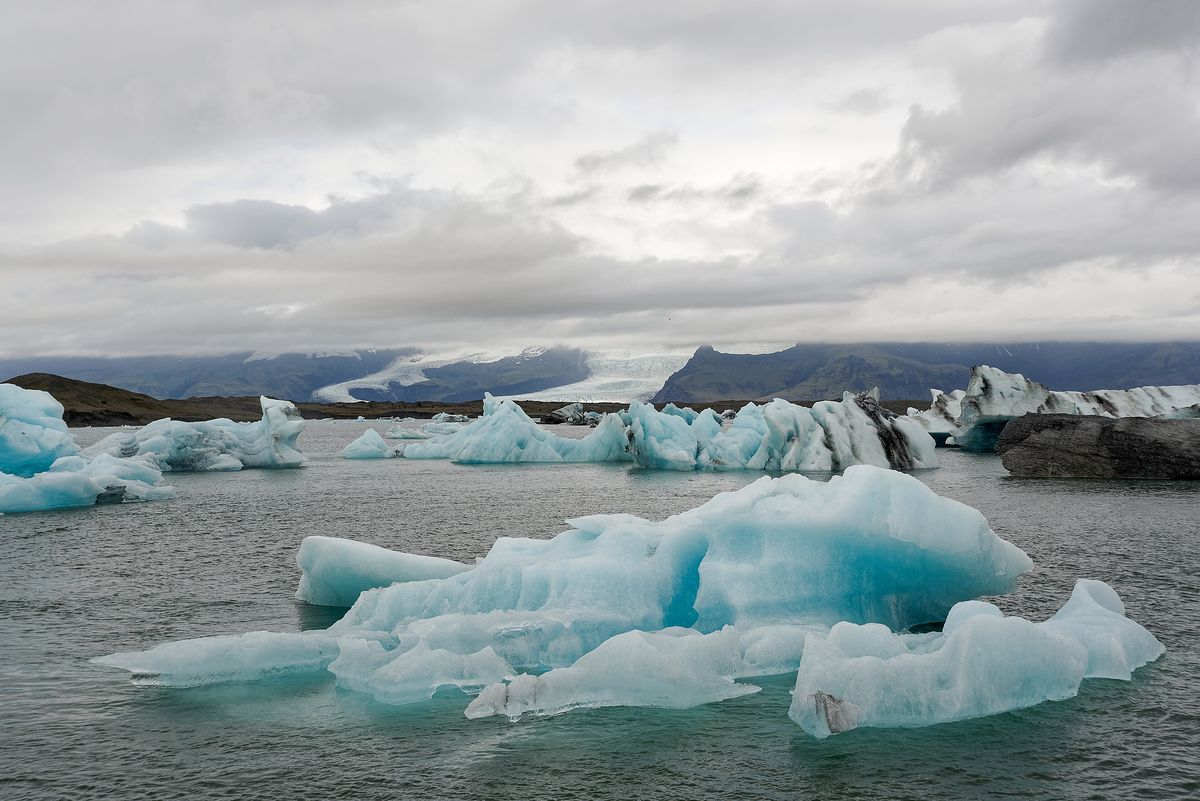
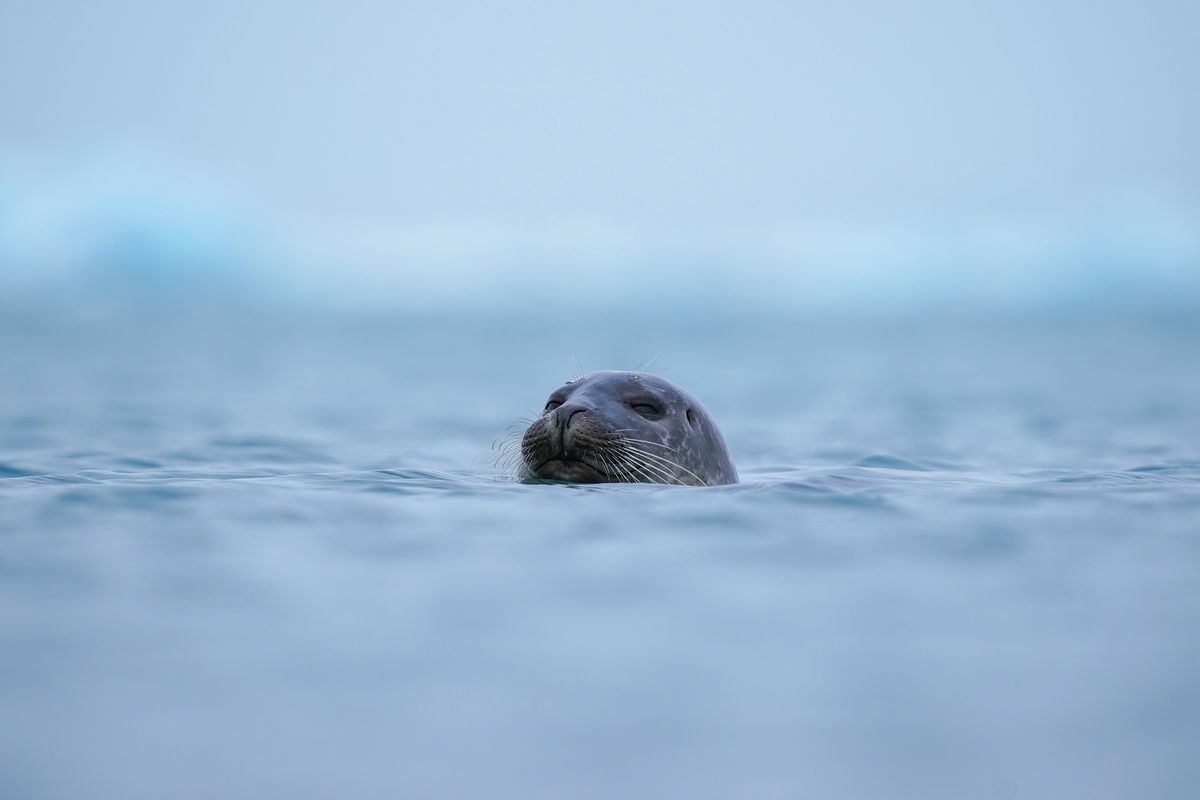
At Jökulsárlón the icebergs drift towards the sea at their own pace, occasionally rolling over with a crack you hear a second late. A seal surfaced near the shore, inspected us, and went back under, unimpressed.
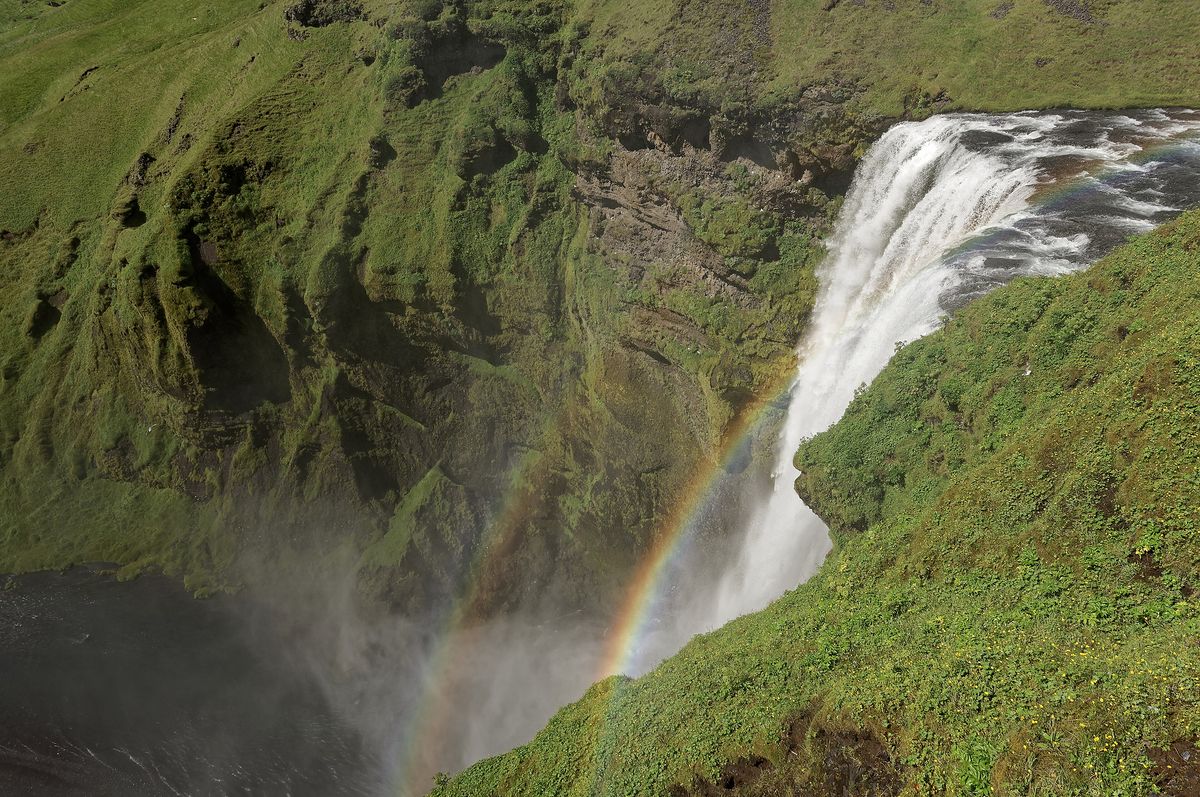
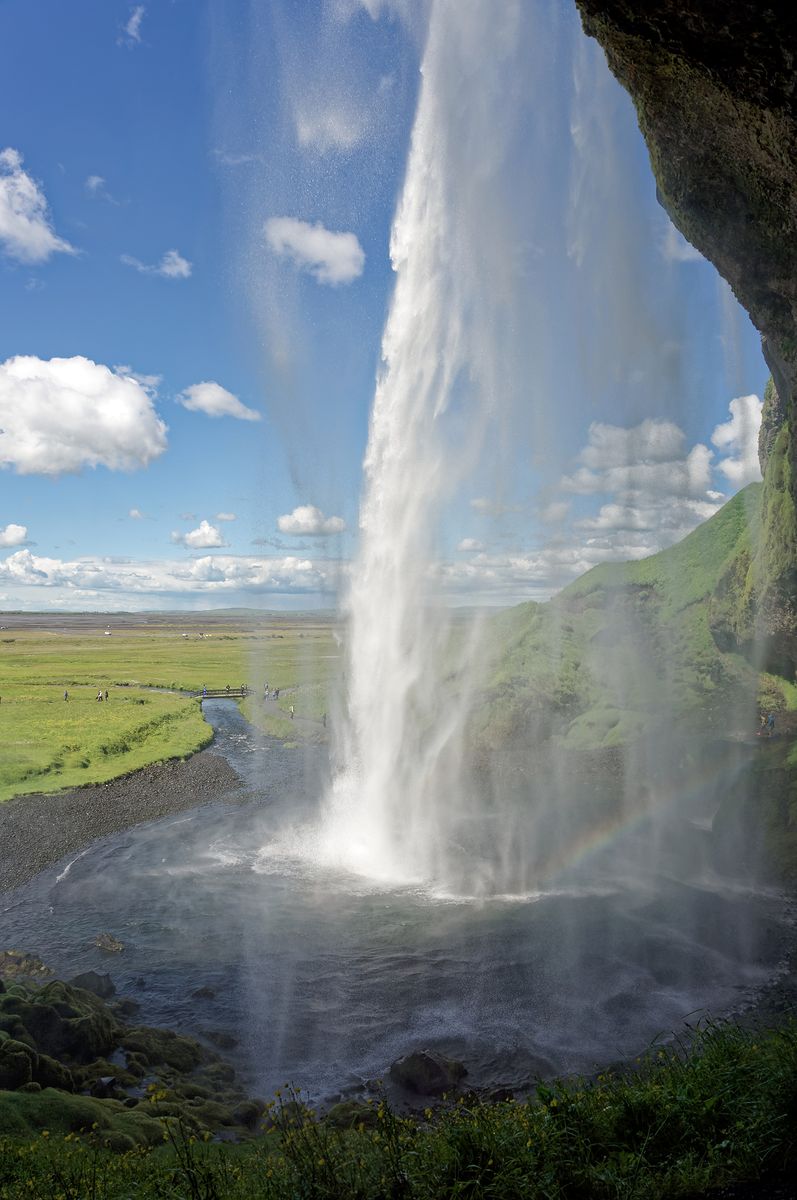
The last day was all south coast and sunshine. We climbed the steps beside Skógafoss to look down on a rainbow in the spray, then drove on to Seljalandsfoss, where the path takes you behind the water. Waterproofs are not optional there, whatever the sky is doing. We learned this the soggy way.
Notes
- Seven days is possible but tight; ten would have let us linger in the east.
- Fuel stations thin out in the north-east and east, so top up whenever you pass one.
- Only walk on a glacier with a qualified guide; the crevasses are real.
- Pack waterproofs even on sunny days, especially for the south-coast waterfalls.