Visitors at Home
A week of walking our own city as if we had just stepped off the train: Calton Hill, Arthur’s Seat, the Old Town and the Water of Leith.
For a journal about slow travel, we spend a surprising amount of time rushing round our own city. This is the second autumn of Slow Lens, and Edinburgh, where we live and where every story is edited, has never had a story of its own. So at the start of October we gave ourselves a rule: treat the city exactly as we would treat anywhere else. No errands, no shortcuts, no buses unless the rain was coming sideways. Walk, start early, look up.
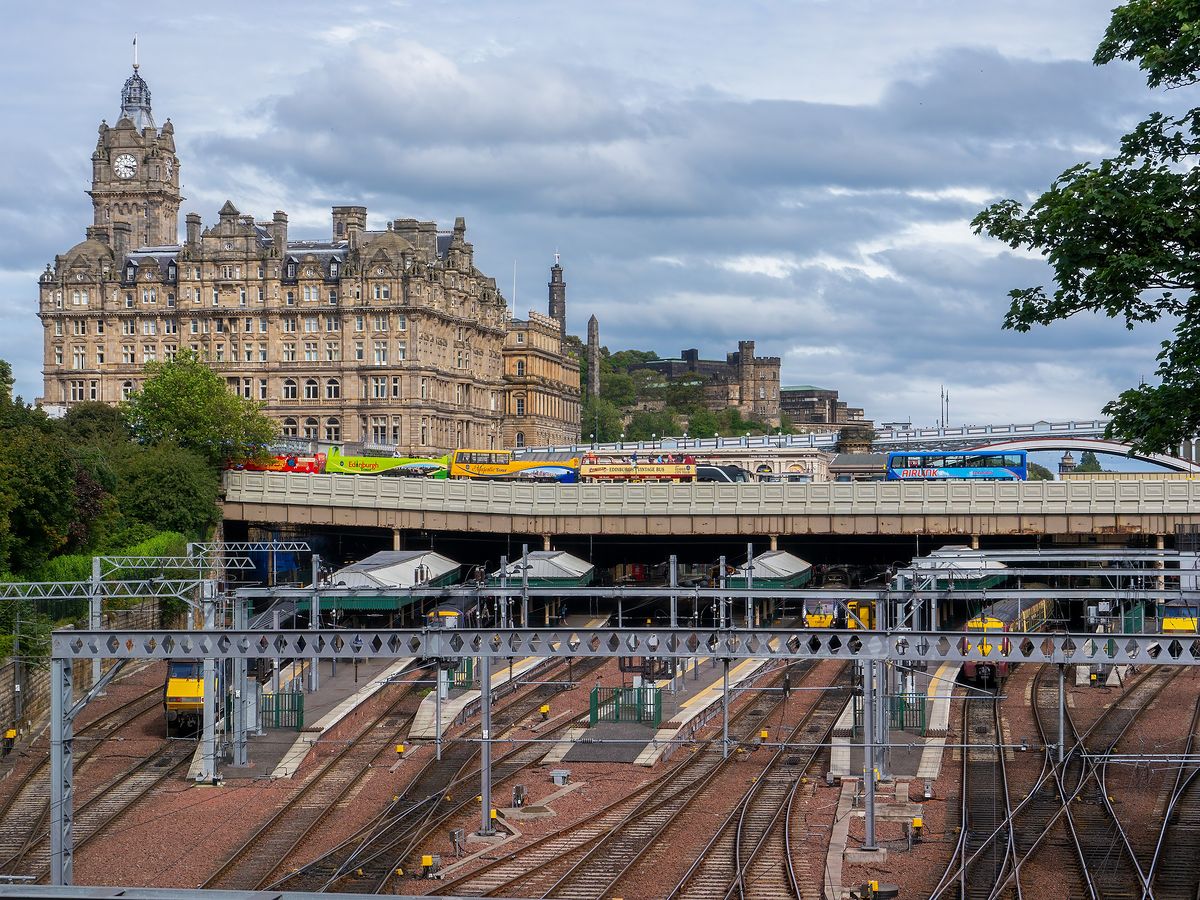
Tom insisted we arrive properly. On the Monday we walked down to Waverley, stood on a platform for a minute among people with real suitcases, and came back up into the city as if for the first time. It felt silly for about thirty seconds. Then I looked up at the Balmoral clock, which is kept a few minutes fast so that nobody misses their train, and realised I had never once checked it.
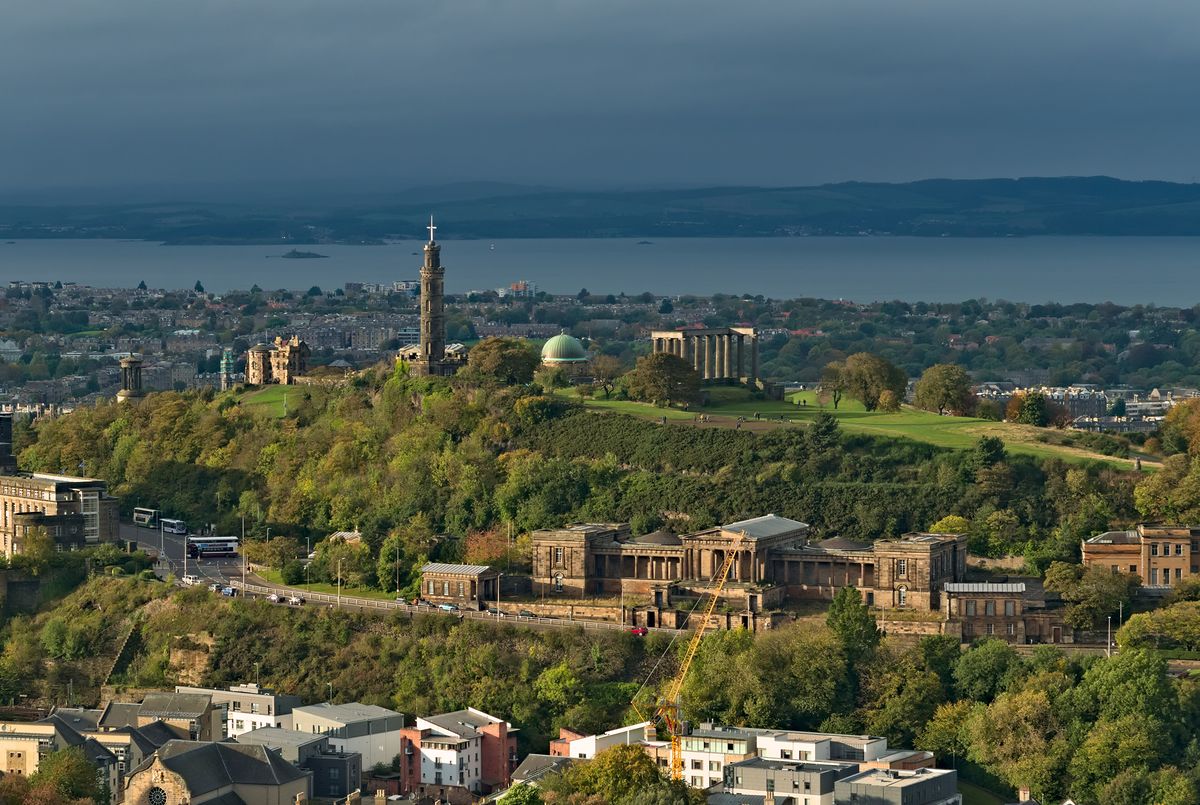
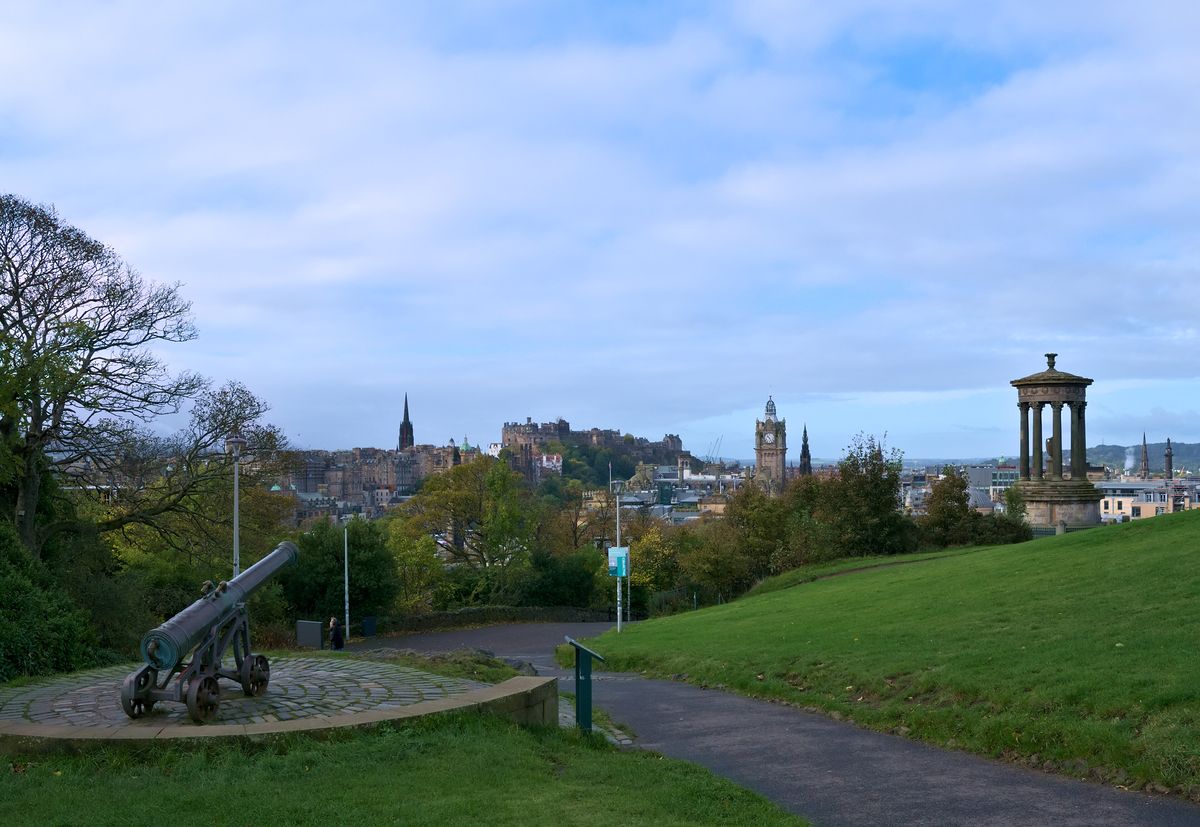
We went straight up Calton Hill, which is where I would send any visitor first. At eight in the morning it belonged to dog walkers and one runner circling the unfinished monument. From beside the old cannon you get the castle, the Old Town spires and the round temple of the Dugald Stewart Monument in a single sweep. I had not stood there for over a year.
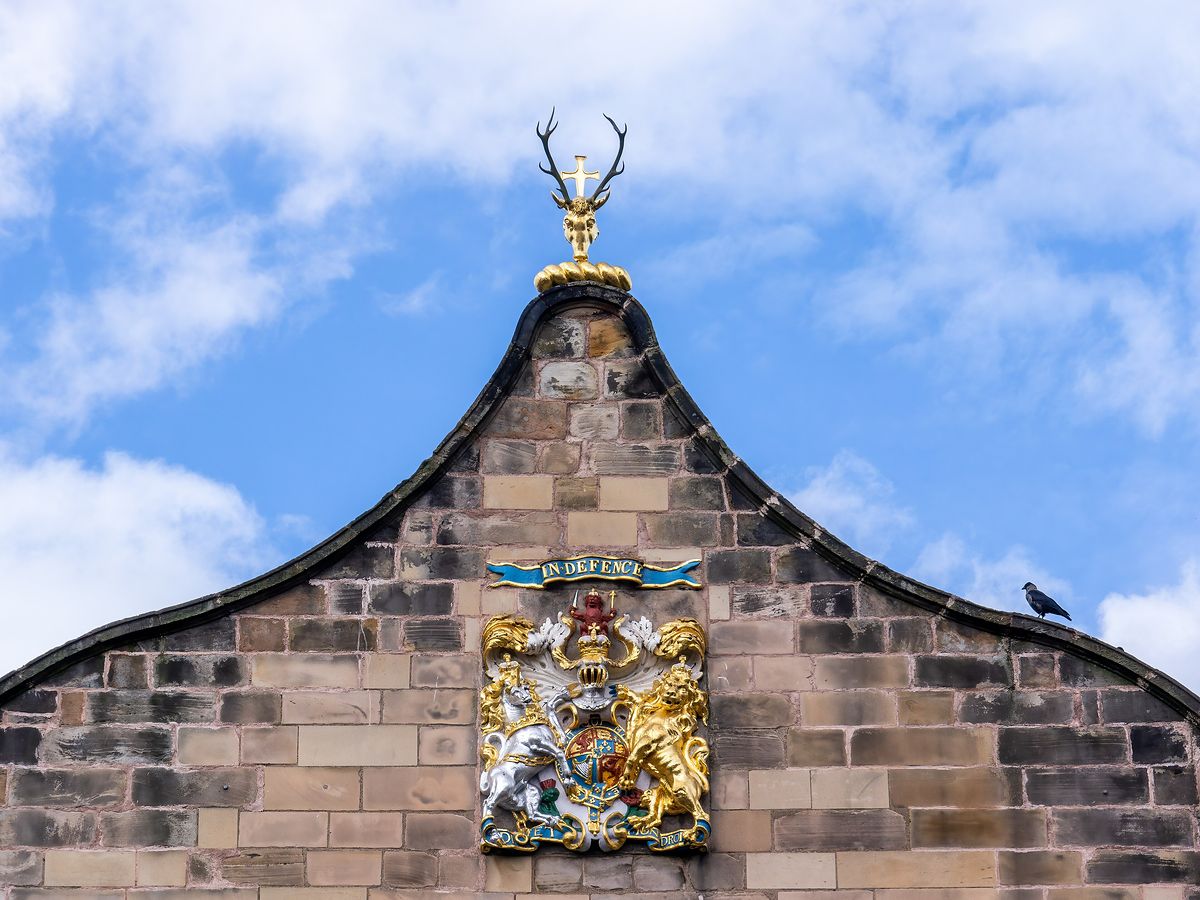
The Royal Mile is the street locals avoid, so we walked all of it, downhill and slowly. Lower down, on the Canongate, the crowds thin and you start to notice things: the stag’s antlers on the gable of the Canongate Kirk, closes running off on either side like ribs, doorways I must have passed a hundred times.
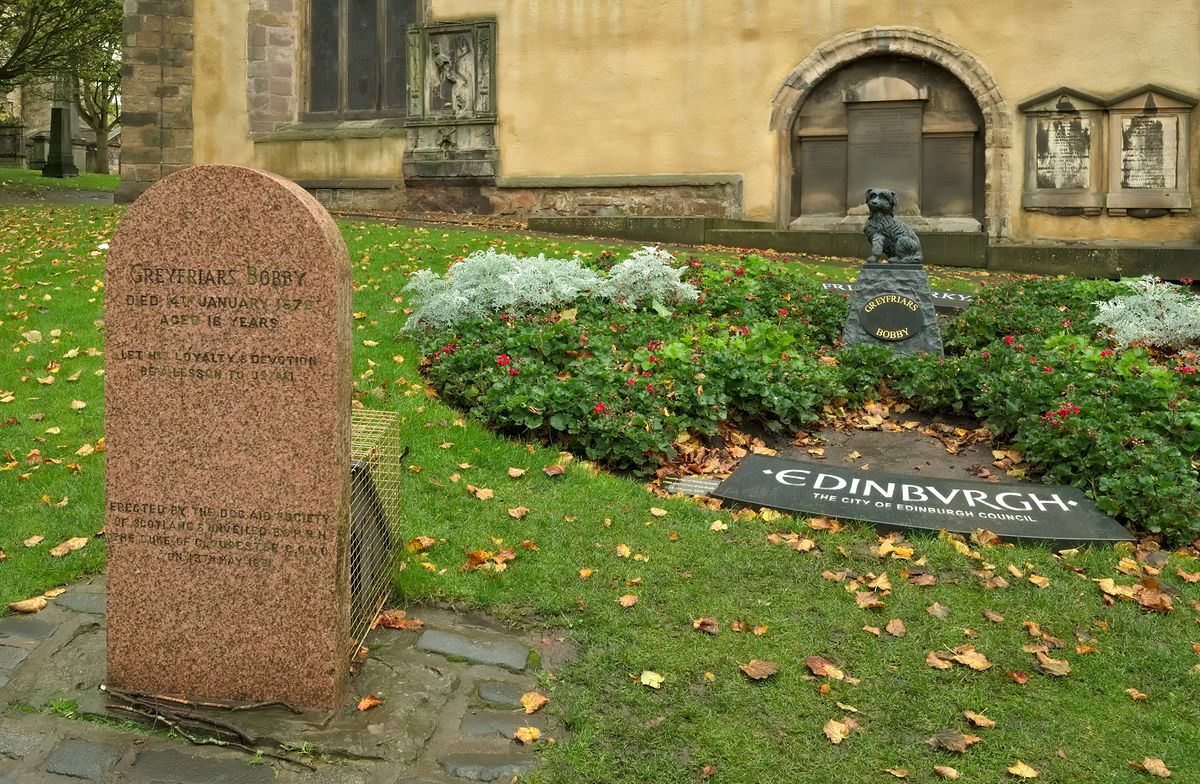
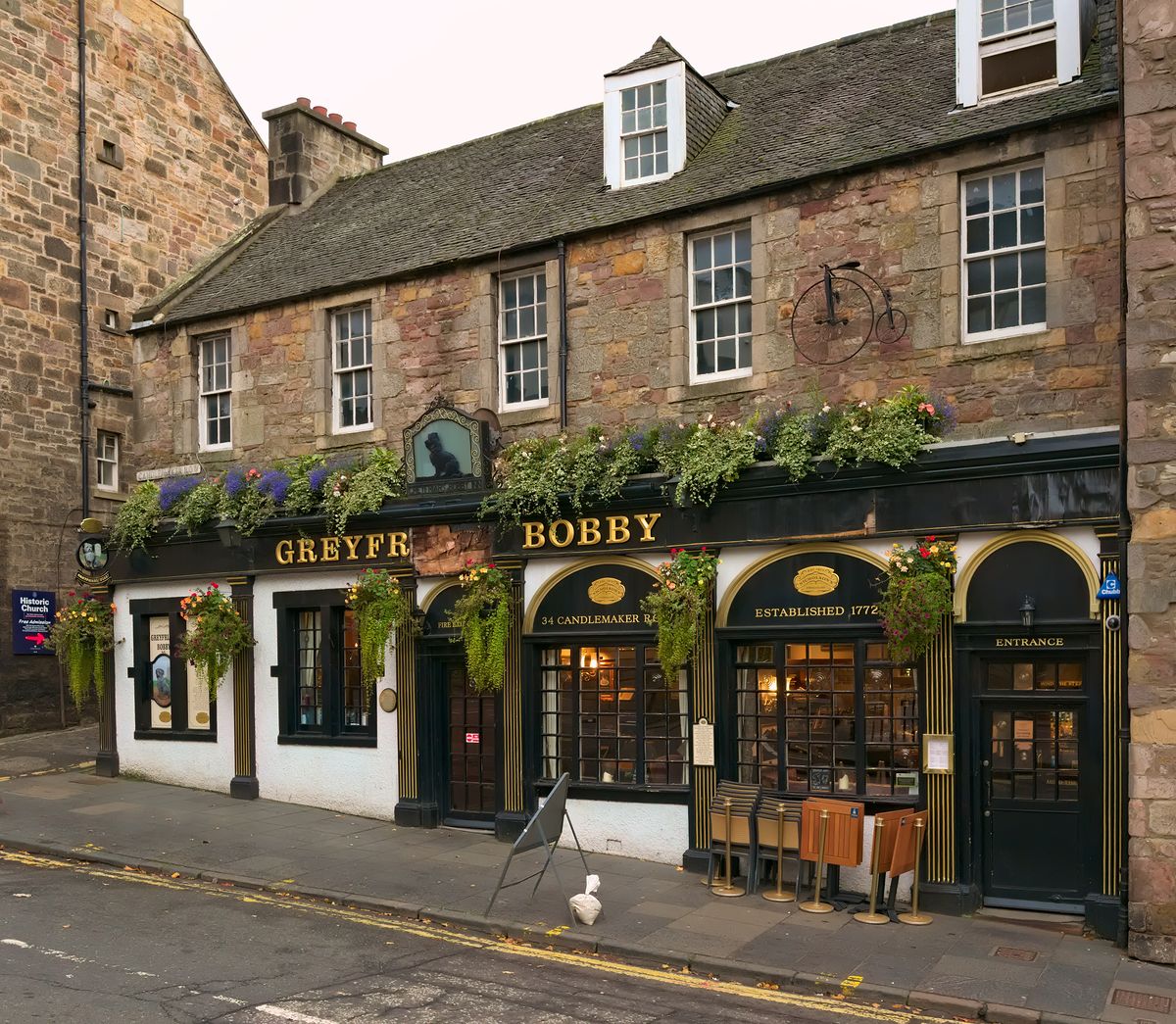
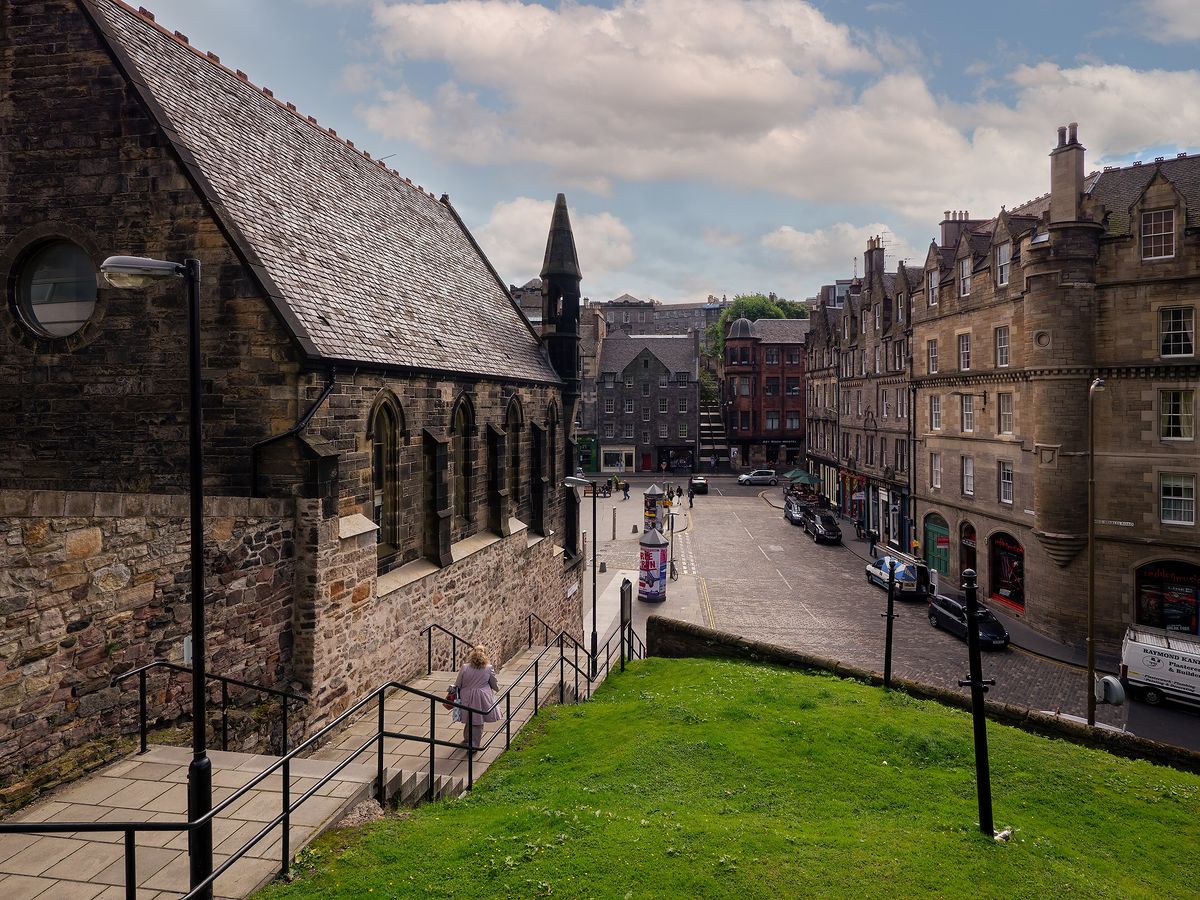
Another morning took us to Greyfriars, where people leave sticks on the grave of Greyfriars Bobby, the little dog said to have kept watch over his master’s grave for years. Leaves were coming down across the kirkyard grass. Tom, who claims not to be sentimental, added a stick. Then we went down Granny’s Green Steps to the Grassmarket, which until that week I had only ever used as a shortcut.
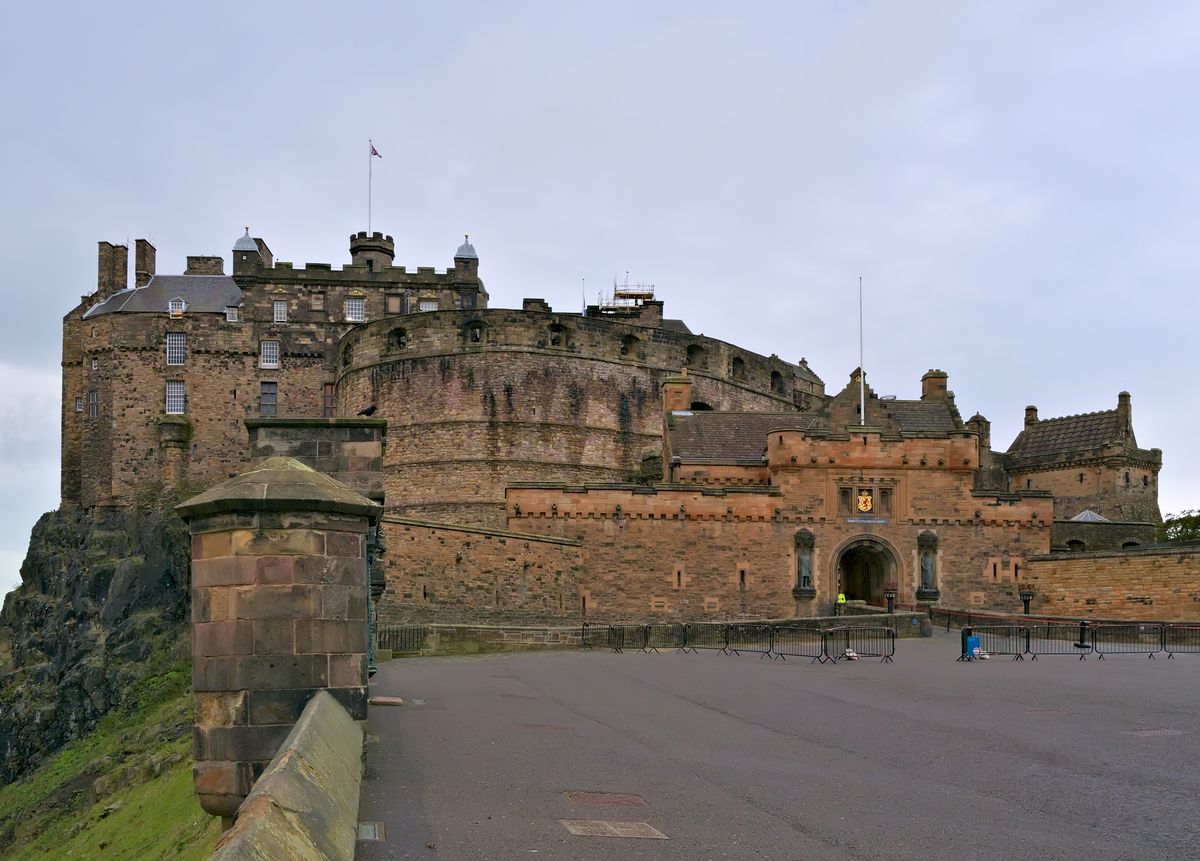
We were on the Castle Esplanade before the gates opened, under a lid of grey cloud, with nobody about but staff and gulls. My honest opinion, which Tom disputes, is that the castle looks better from below than it does from inside.
The hill in the middle
Arthur’s Seat is an old volcano that happens to have a city round it. We picked the windiest day of the week, naturally. First the long red cliff of Salisbury Crags, then the climb to the summit, where we held on to our hats and to each other.
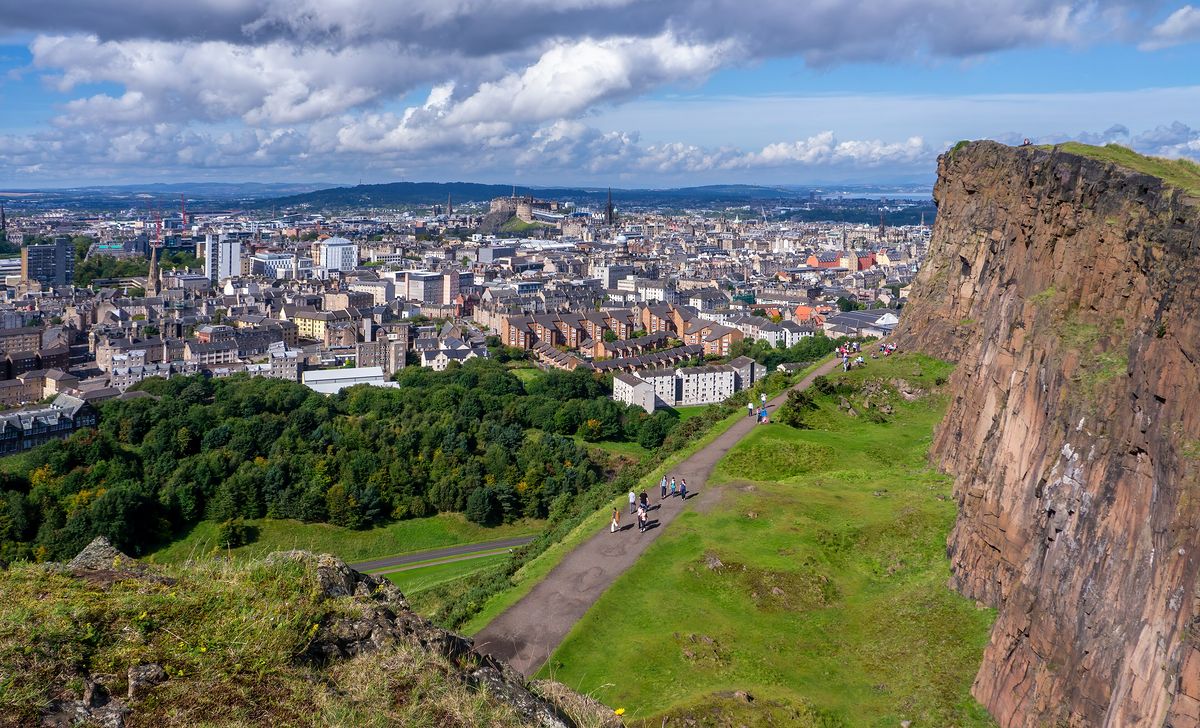
From the top the Firth of Forth was silver to the east, with the coast running away into East Lothian. Calton Hill, which had felt like a climb on Monday, looked like something off a model railway.
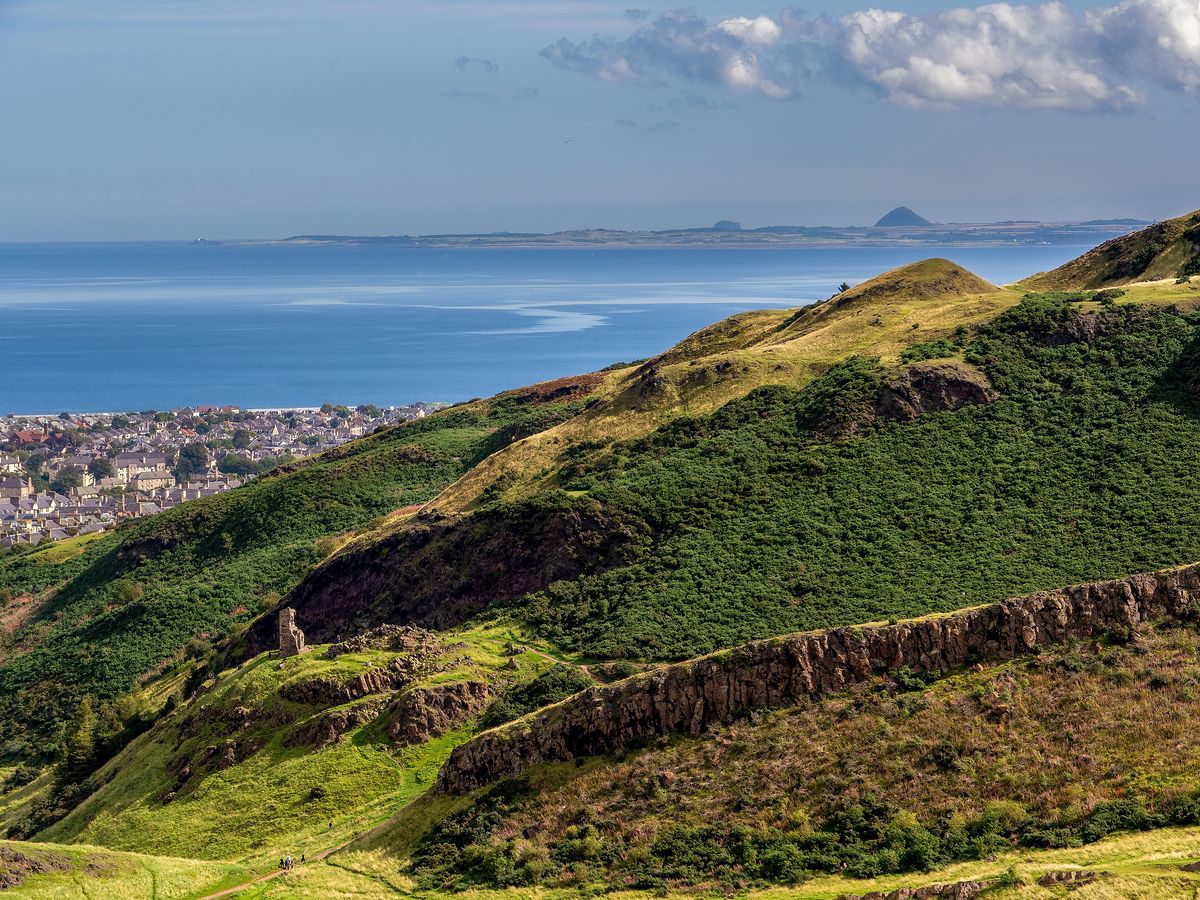
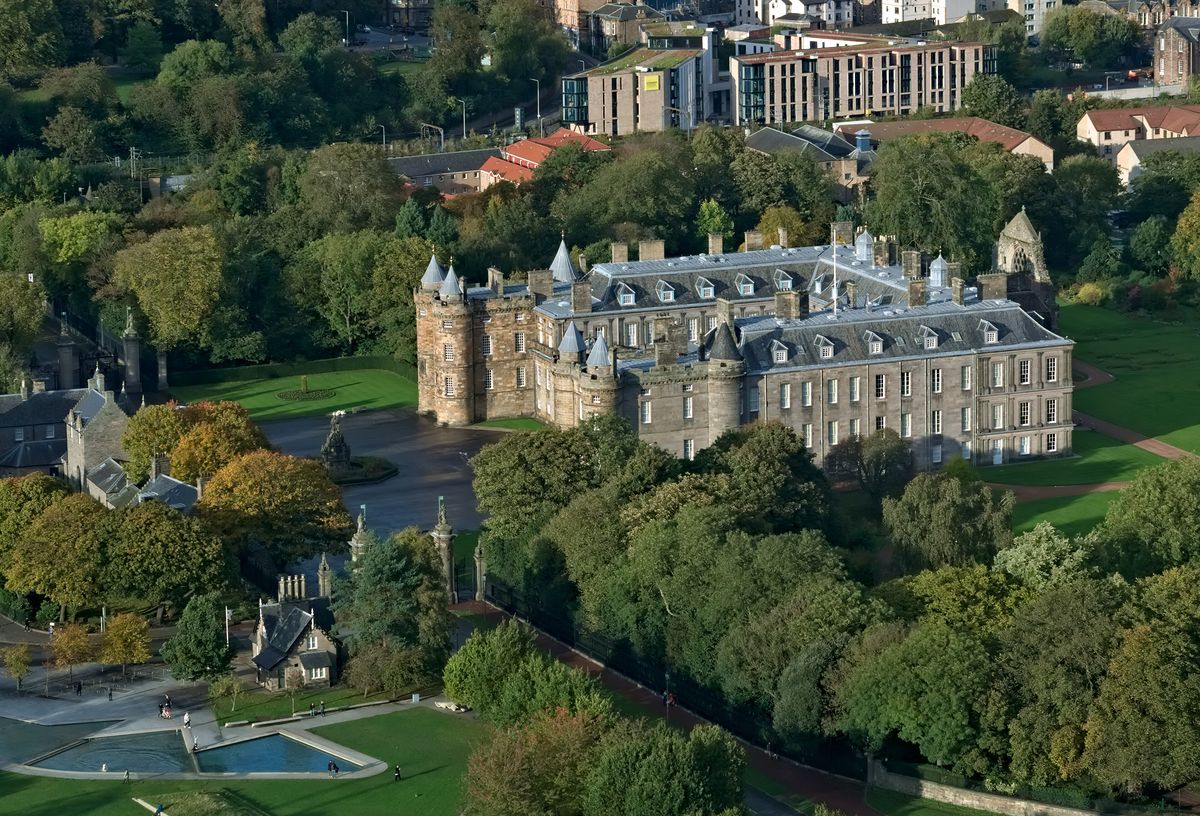
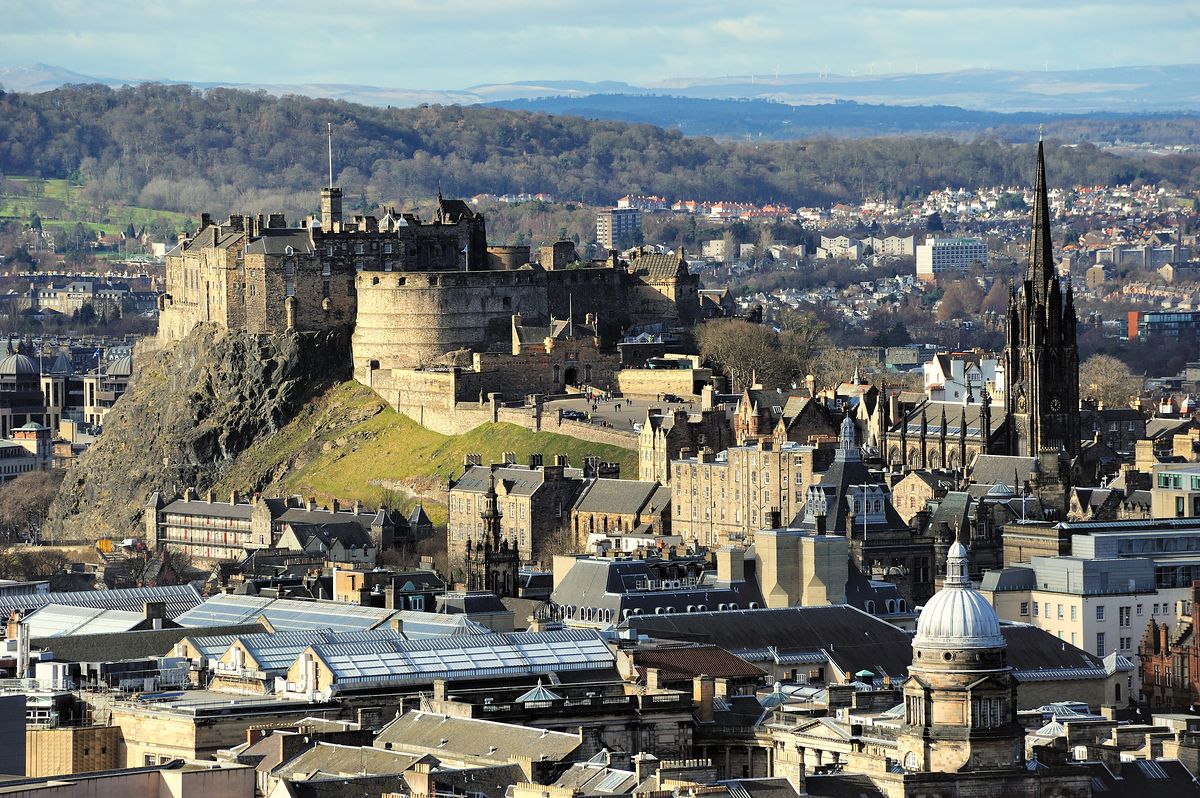
Coming down along the crags you look onto the roofs of Holyroodhouse, the trees only just turning, then west across the Old Town to the castle. Somewhere under all that, Tom pointed out, was our kitchen, and the washing we had left on the rack.
Down the Water of Leith
We kept the river for the last day. Dean Village is a few minutes from the West End and feels a century away: old mill buildings in a gorge, a footbridge, leaves turning on the brown water, and the arches of the Dean Bridge overhead. Below it a heron stood on a stone and ignored us completely. We followed the walkway on past St Bernard’s Well and through Stockbridge, and somewhere after Canonmills the rain arrived. We reached the Shore at Leith wet through, as the lights came on.
Tom wants to do Glasgow next October. I think we should do this again, more slowly.