Bled Before Breakfast
Lake Bled before the crowds, a wet day at Bohinj and the Vršič pass in larch season: a week in the Julian Alps last October.
Several friends told us to skip Bled. Too many coaches, too famous for its own good. Clara gave the answer she gives about most famous places: go anyway, but go before breakfast. So on our first morning in Slovenia, last October, we walked down to the lake at a quarter to seven, past shuttered cafés.
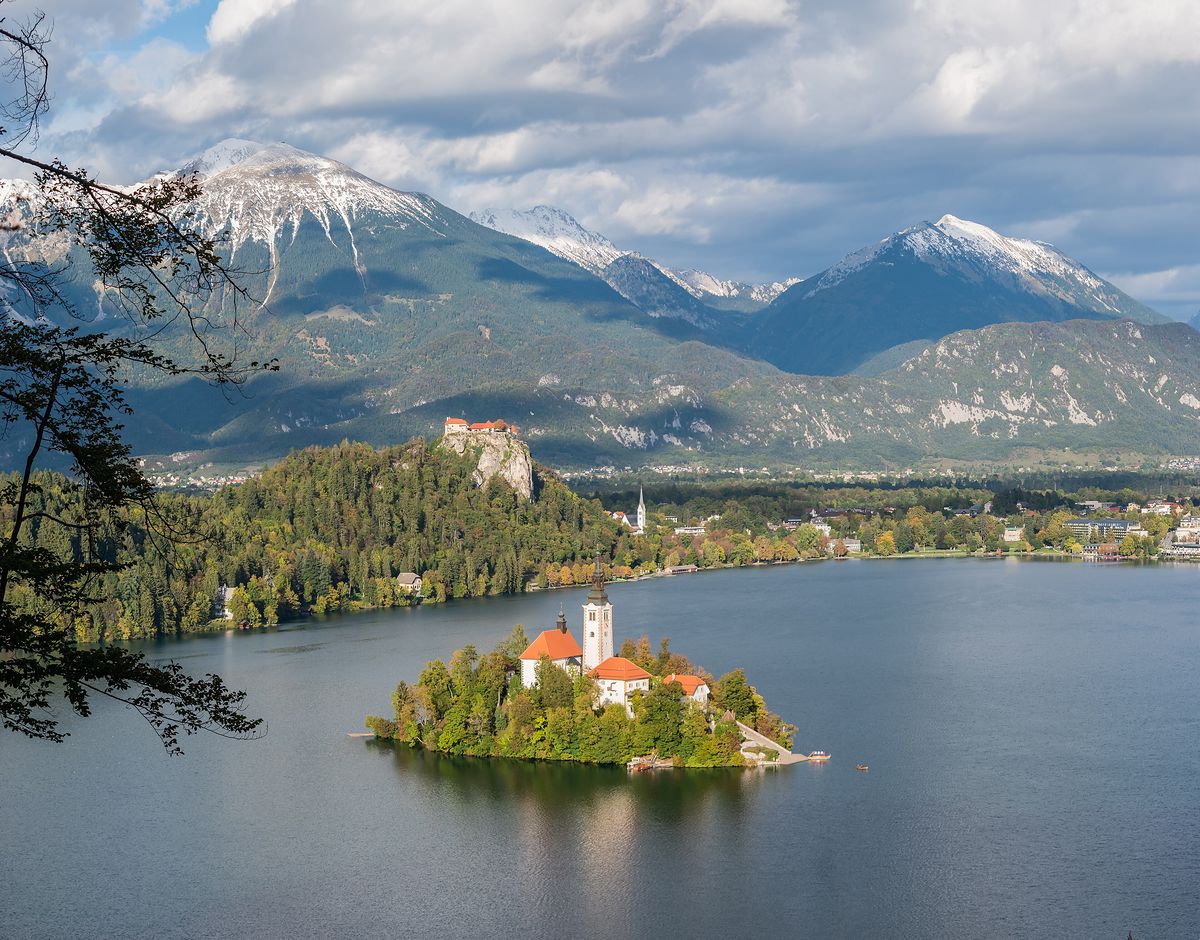
It was worth the alarm. The water was so still that the island seemed to stand on glass, and the mountains behind had the first snow of the season on them. Apart from two swans and a man fishing below the castle rock, we had the shore to ourselves for nearly an hour.
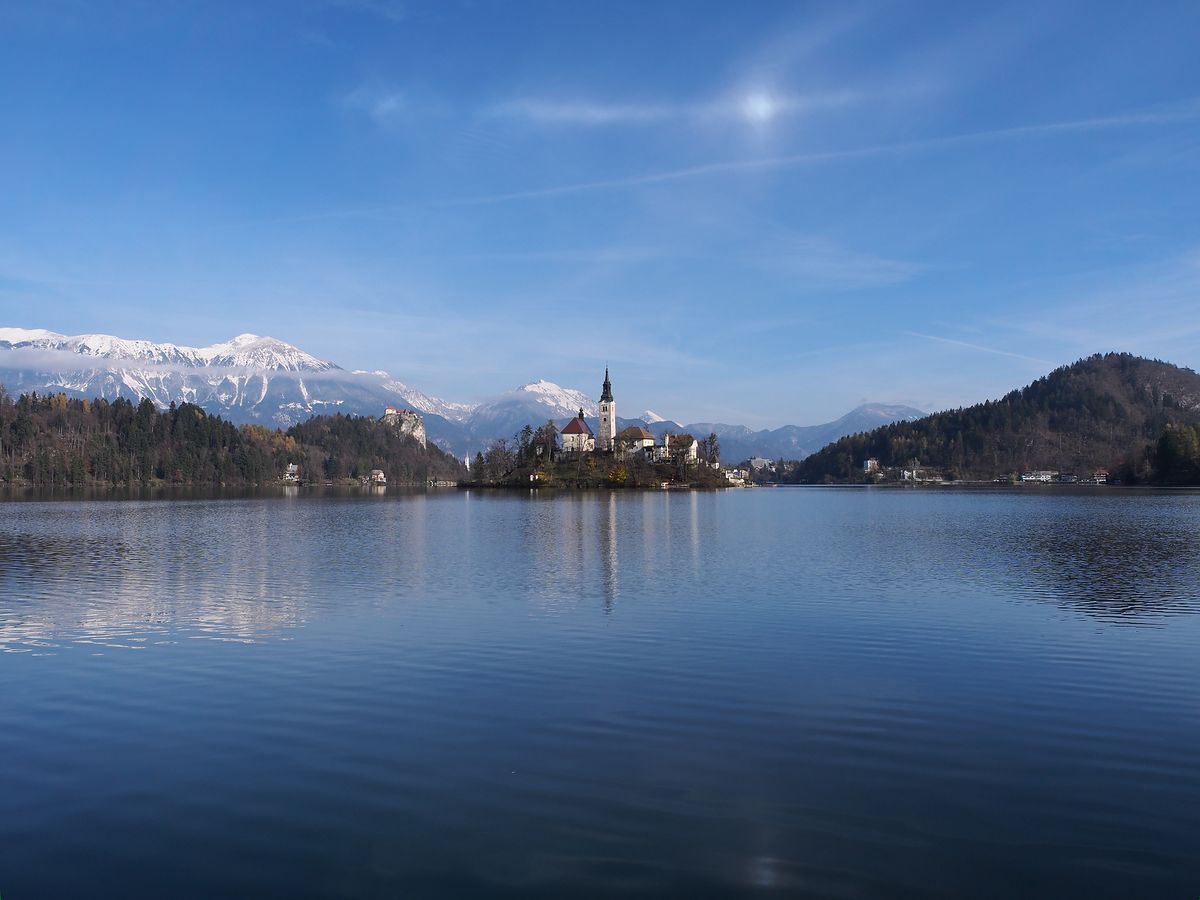
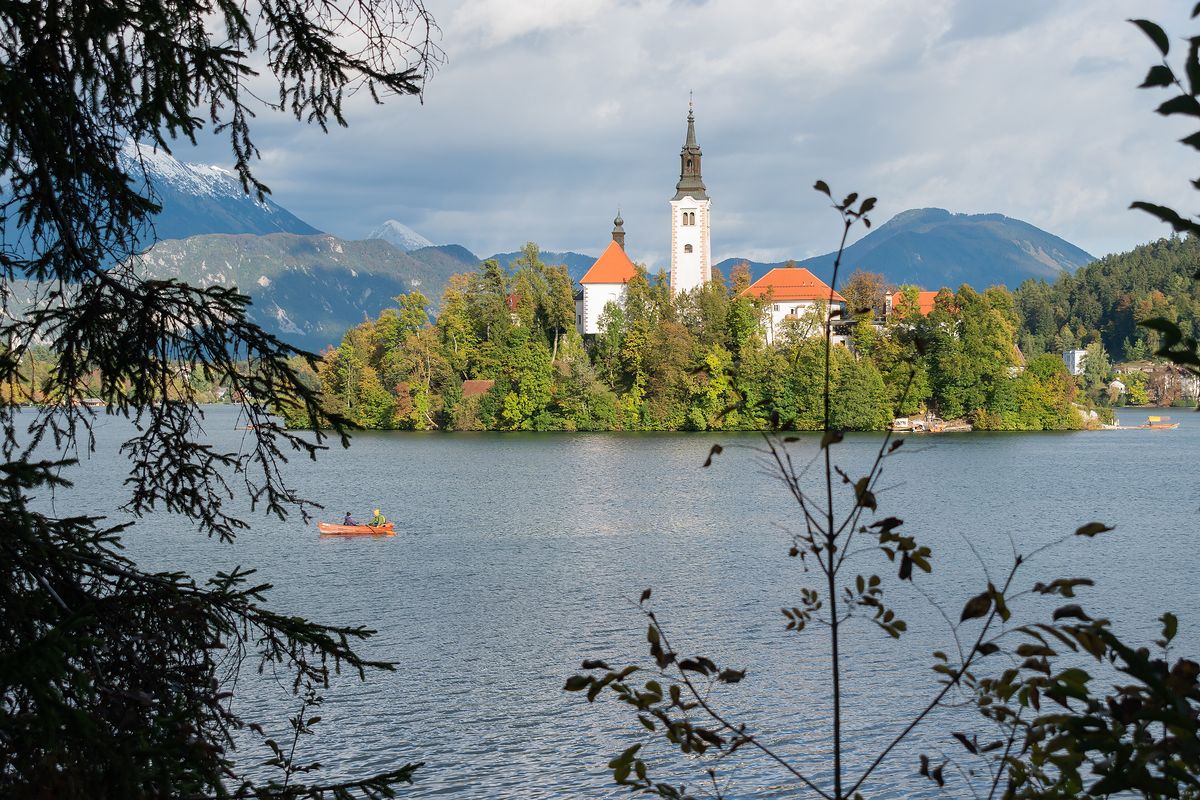
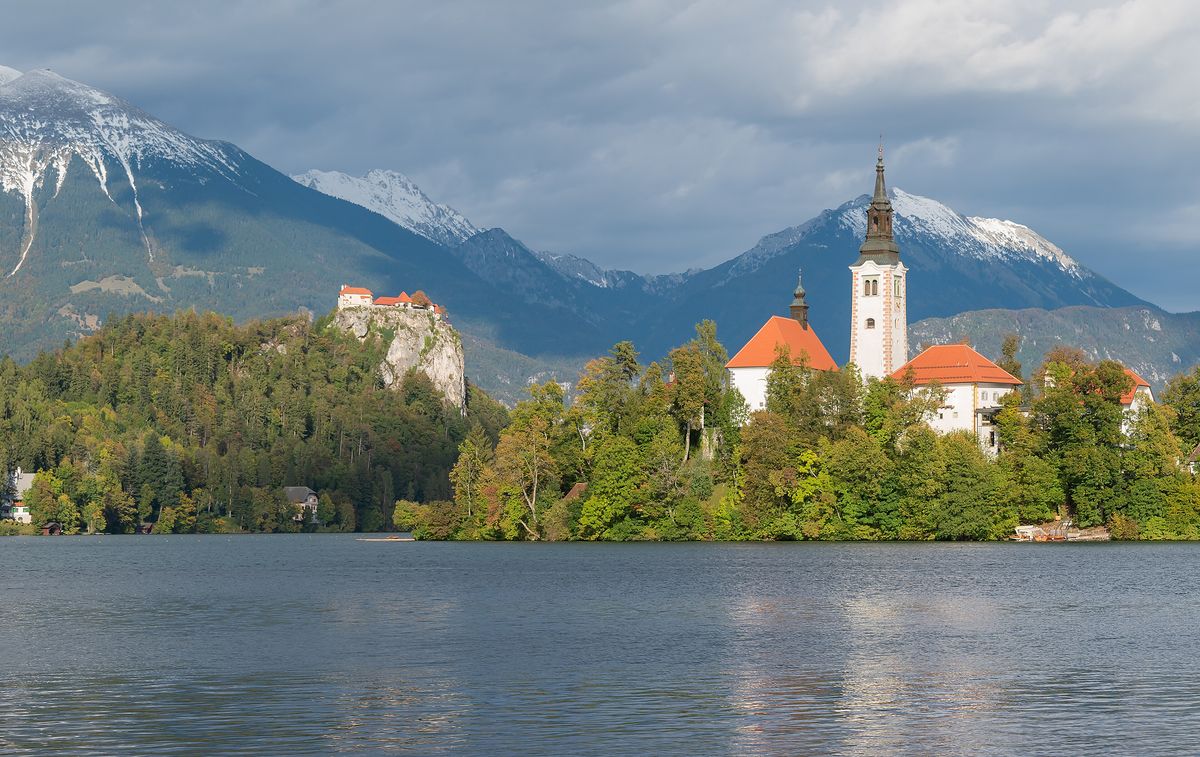
The path around the lake is about six kilometres, flat and easy, and we took the whole morning over it. The island church turns up in a new frame every few hundred metres: through branches, behind reeds, under the castle on its cliff. By nine the first pletna boats, wooden and rowed standing up, were carrying visitors across to climb the ninety-nine steps and ring the wishing bell. We didn’t go. I’m told the wish only works if you keep it to yourself, and Clara has never kept anything to herself.
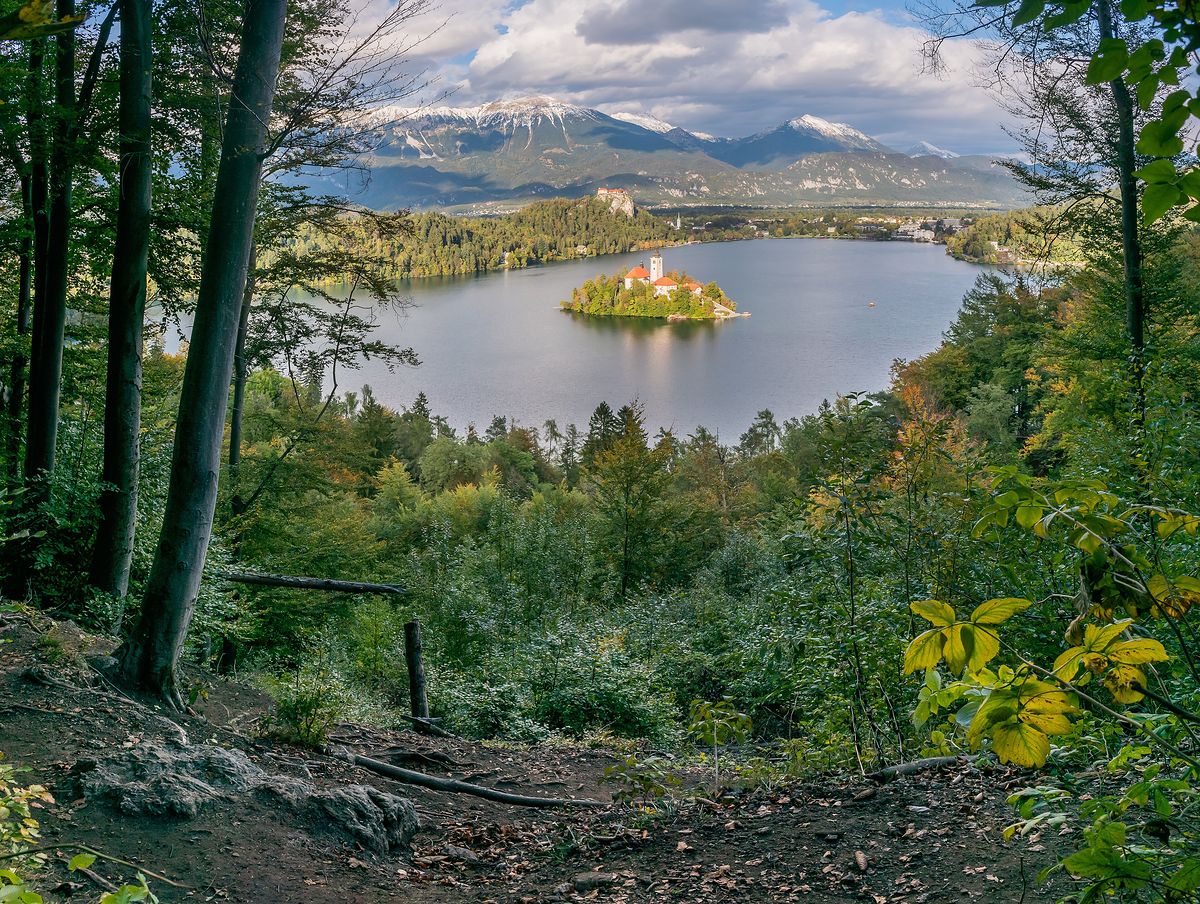
Instead we climbed. From the western end of the lake a steep path goes up through beech woods to the viewpoints on Osojnica, and the last stretch is more steps and handrails than path. My knees objected. The view at the top is the one on every postcard, and for good reason: the island small and exact below you, the castle opposite, the town strung along the far shore.
Bohinj in the rain
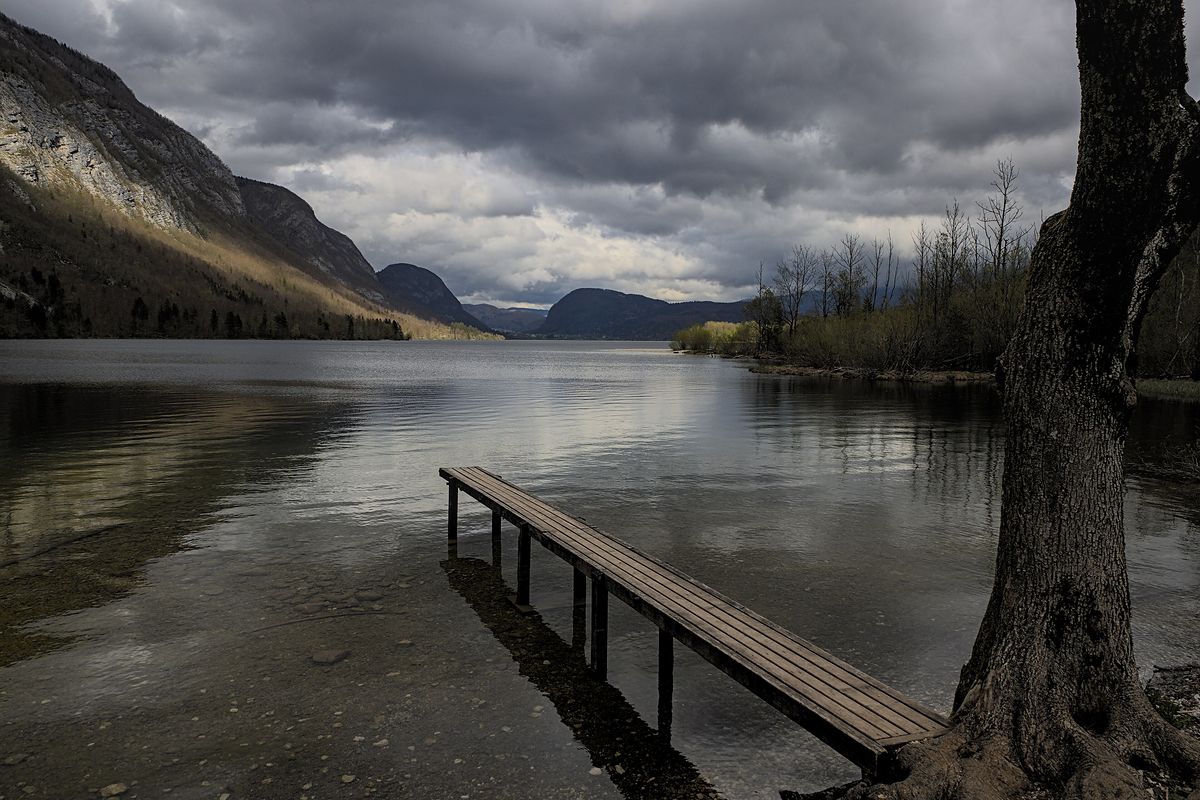
Bohinj is half an hour further into the mountains and about twice the size, and it rained there for most of a day. We walked the quiet northern shore to Ukanc anyway, under cloud sitting halfway down the slopes. The lake was the colour of pewter, the jetties were empty, and nobody tried to sell us anything. It was my favourite day of the trip, and I have the wet socks to prove it.
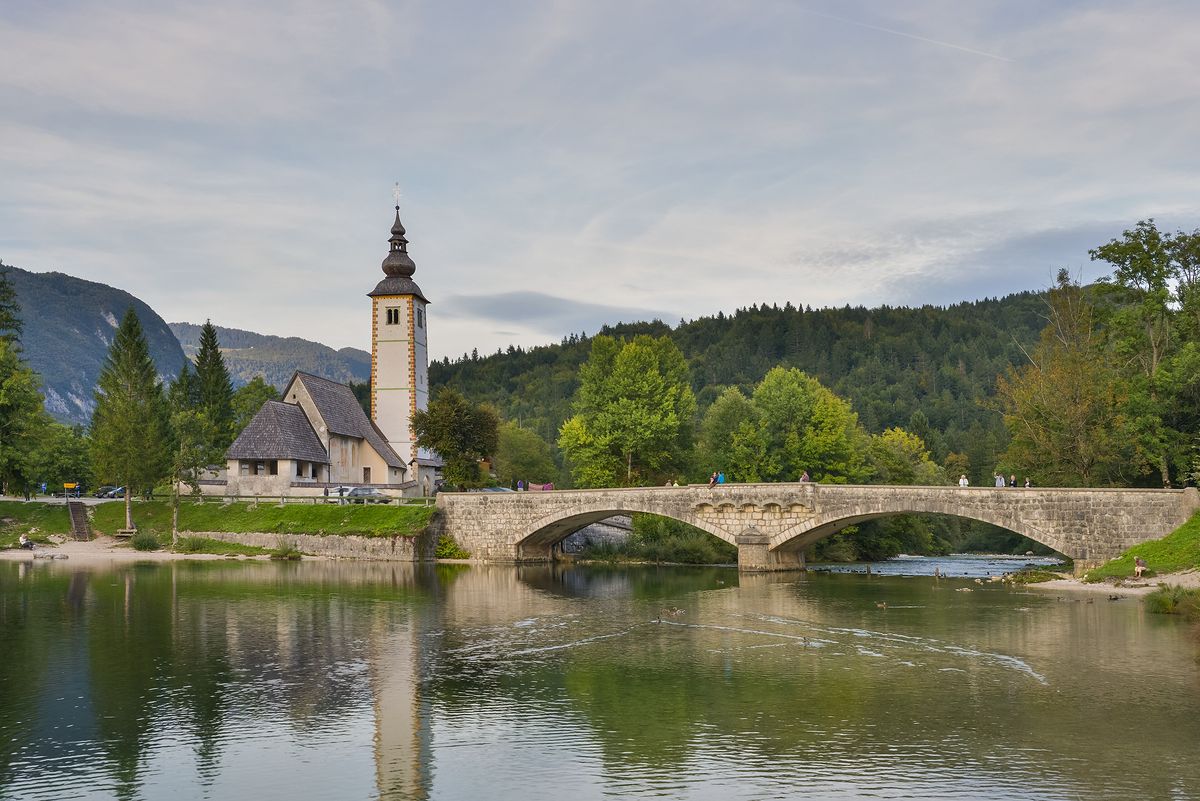
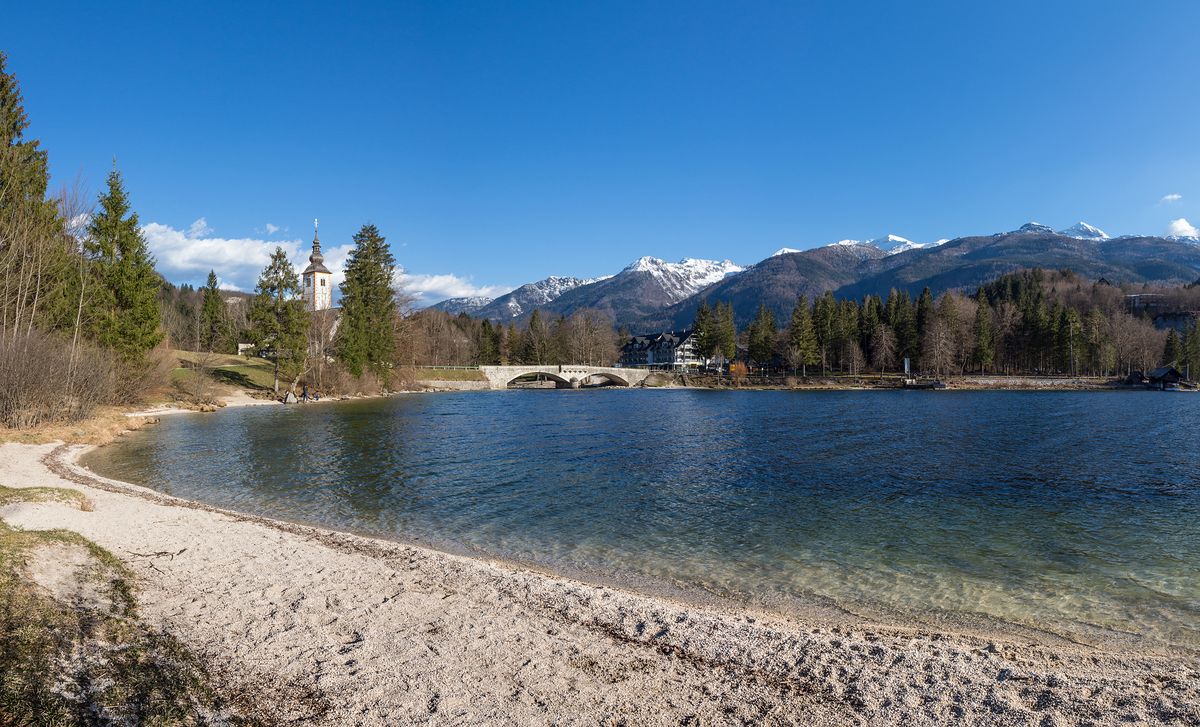
The next morning cleared, and we went back to the stone bridge at Ribčev Laz and the small church of St John the Baptist, its walls inside covered in old paintings.
Over Vršič
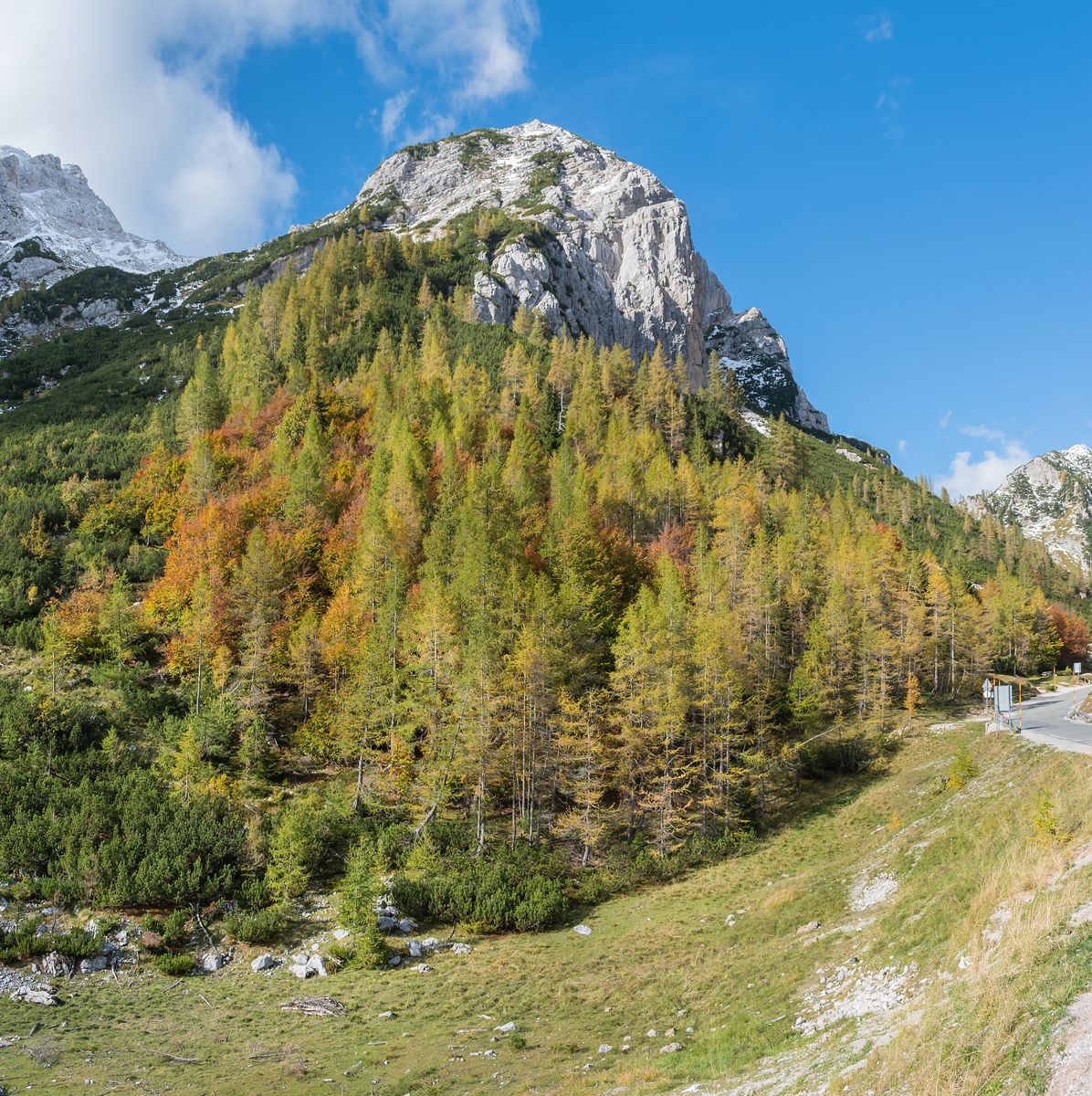
From Kranjska Gora the road to the Soča valley climbs over the Vršič pass, the highest in the country, in fifty numbered hairpins, the northern ones still cobbled. We had hired a small car for this part. Clara drove; I counted bends and lost count somewhere in the twenties.
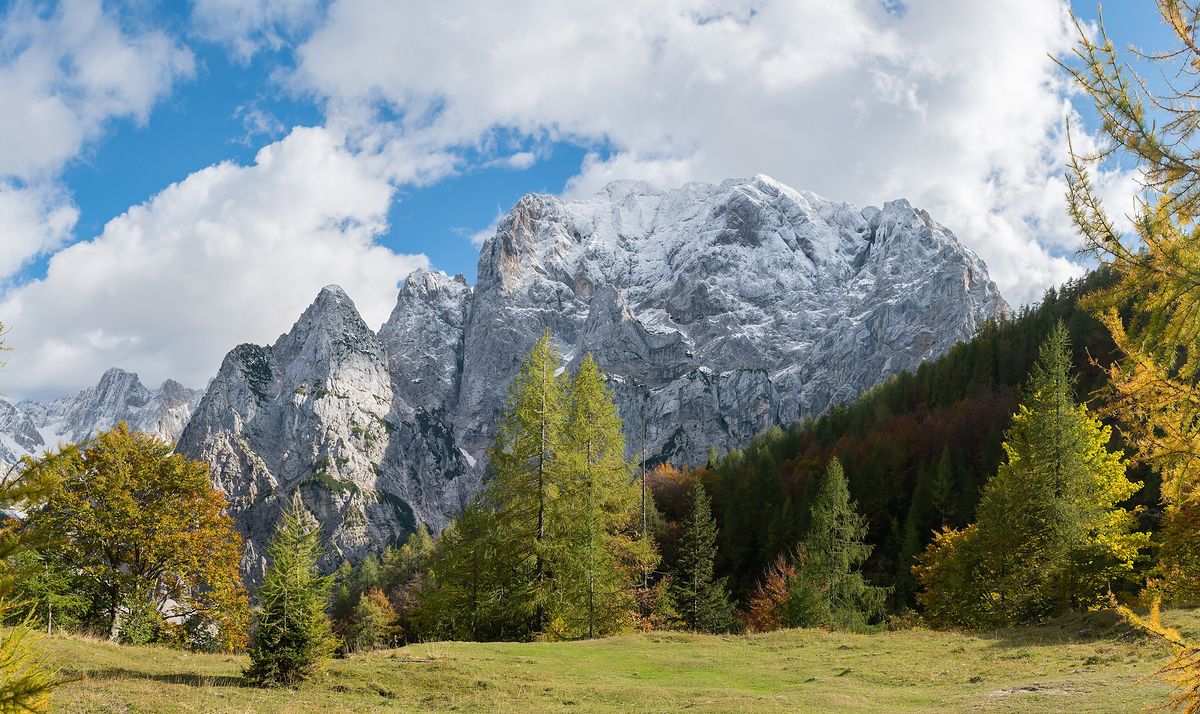
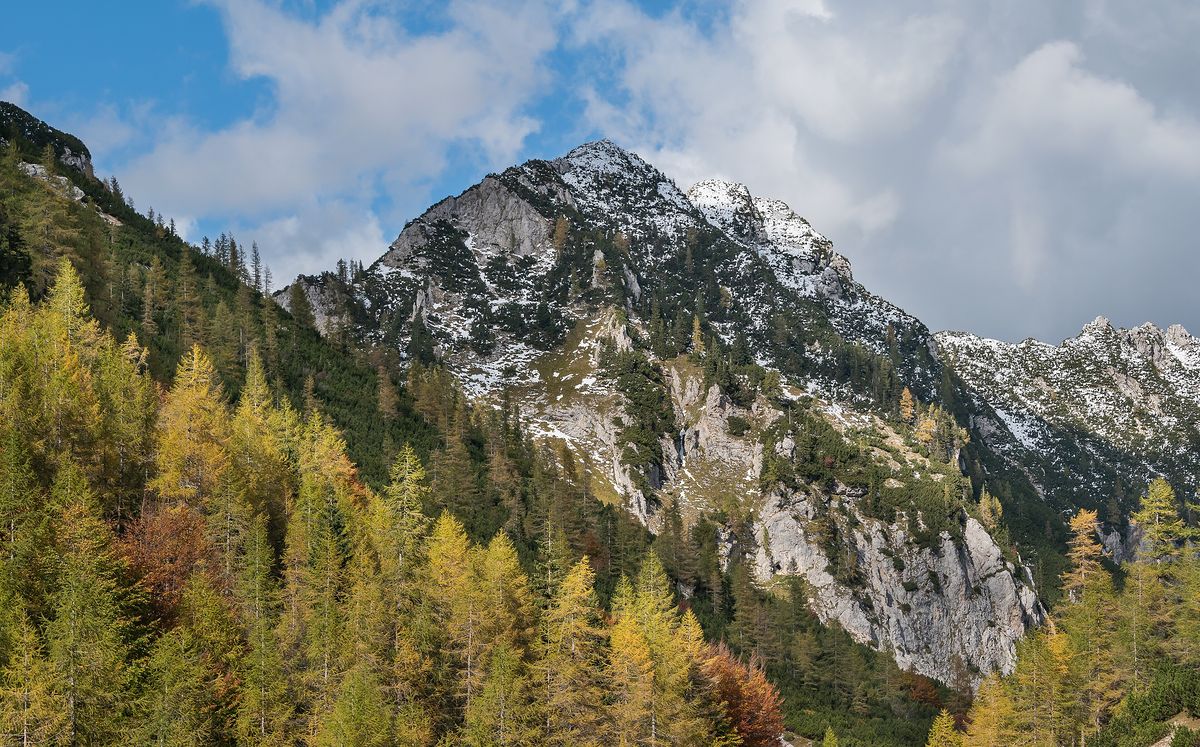
Mid-October is larch season. Below the grey limestone walls the slopes had gone gold and rust, the meadows were still green, and the night’s snow lay along the summits like icing. We stopped at nearly every lay-by and ate lunch at the top in a cold wind, wearing everything we owned.
Down the Soča
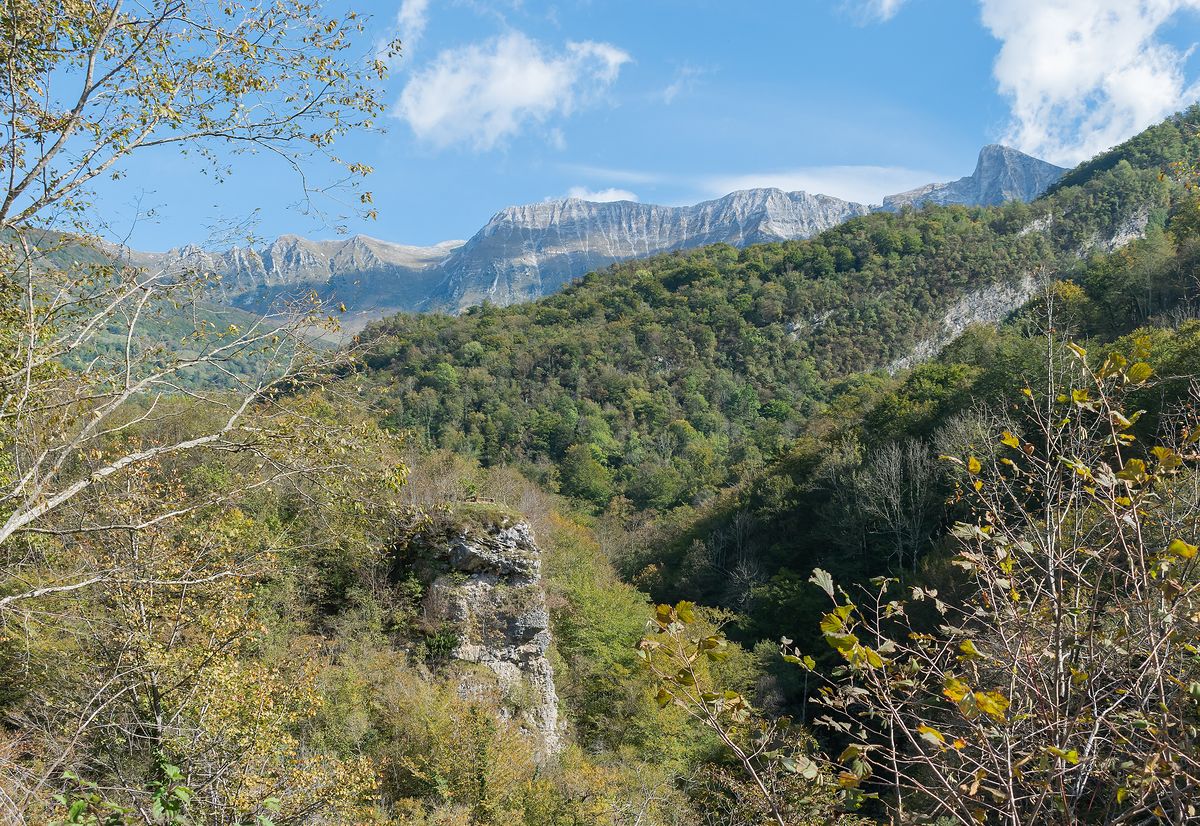
The descent through Trenta brings you to the Soča, which really is the colour people say, a milky blue-green that looks retouched even when you are standing on the bank. We followed it down past Bovec to Kobarid, where the museum about the First World War front along this valley is worth a slow, sobering morning.
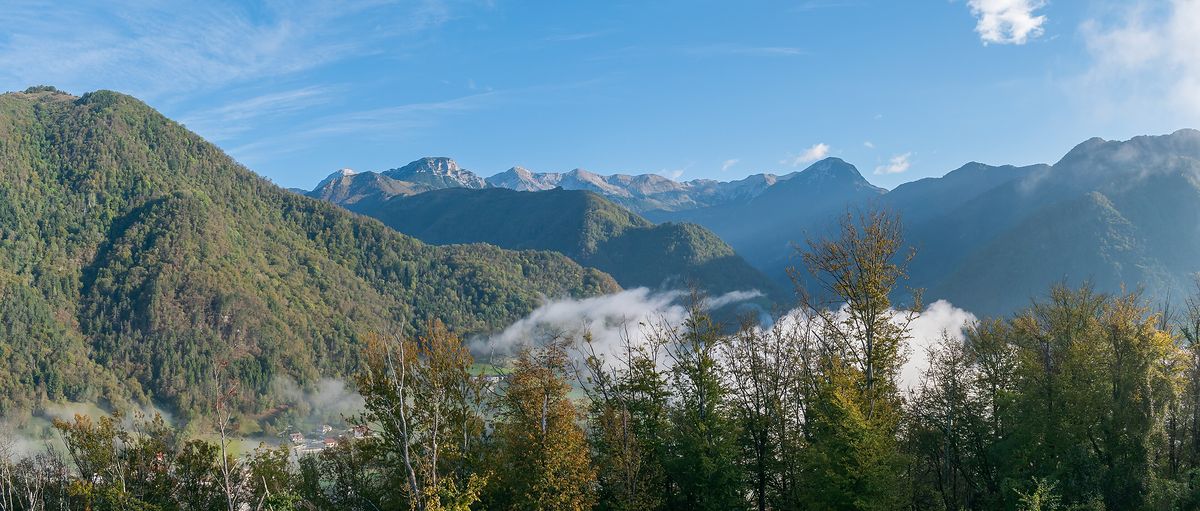
On our last day, in Tolmin, we kept Clara’s rule one more time and walked up to the castle ruin on Kozlov Rob before breakfast. Mist was lying in the valley below, the woods were turning, and the bells started up in the town just as the sun reached us.
Notes
- Start the Bled lake circuit early; the eastern shore fills up by mid-morning.
- The Osojnica climb is short but steep, with steps near the top. Skip it in the wet.
- Buses link Bled and Bohinj through the day; Vršič is easier with a car and usually closes once winter snow settles.