The Ferry Is the Point
A week of early-spring crossings between Europe and Asia on Istanbul’s city ferries, with tea on deck and mosques rising out of the haze.
We arrived in Istanbul at the start of March with a list of mosques, two bazaars and a vague plan to take a ferry. By the second morning the list had turned inside out. The ferries were the point, and everything else was what we did between crossings.
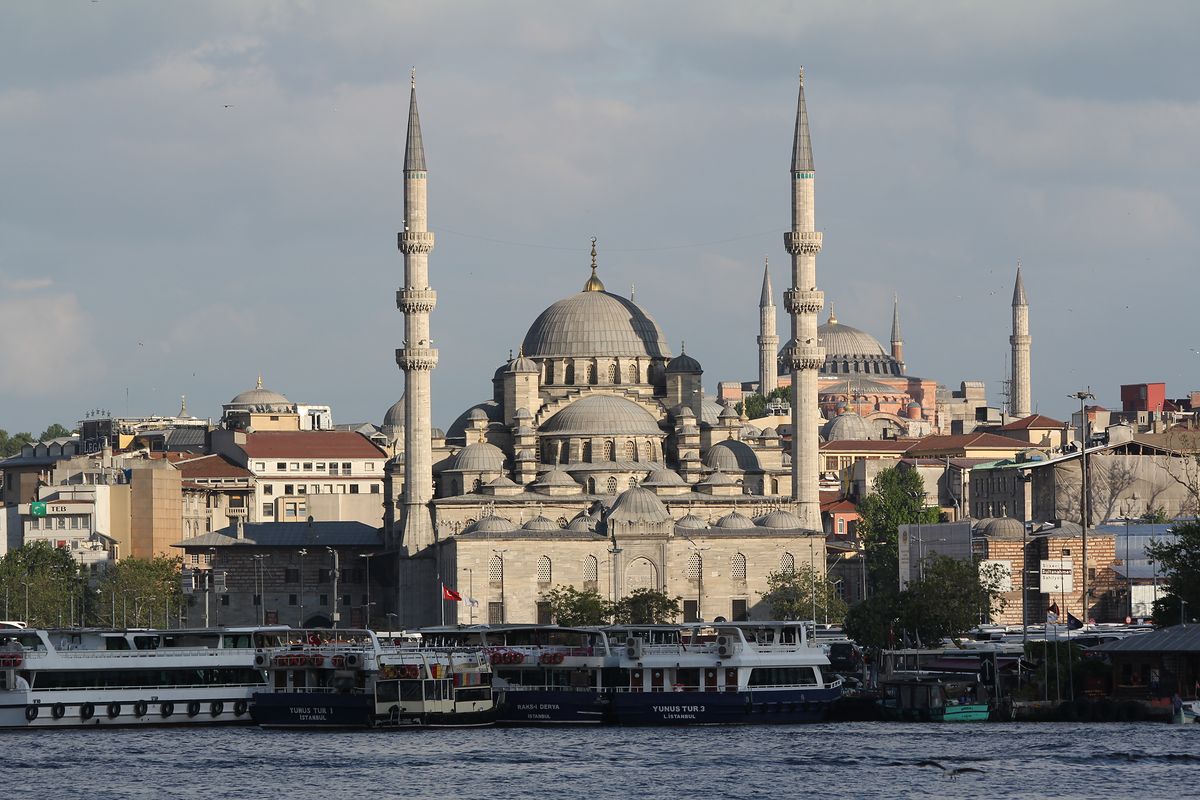
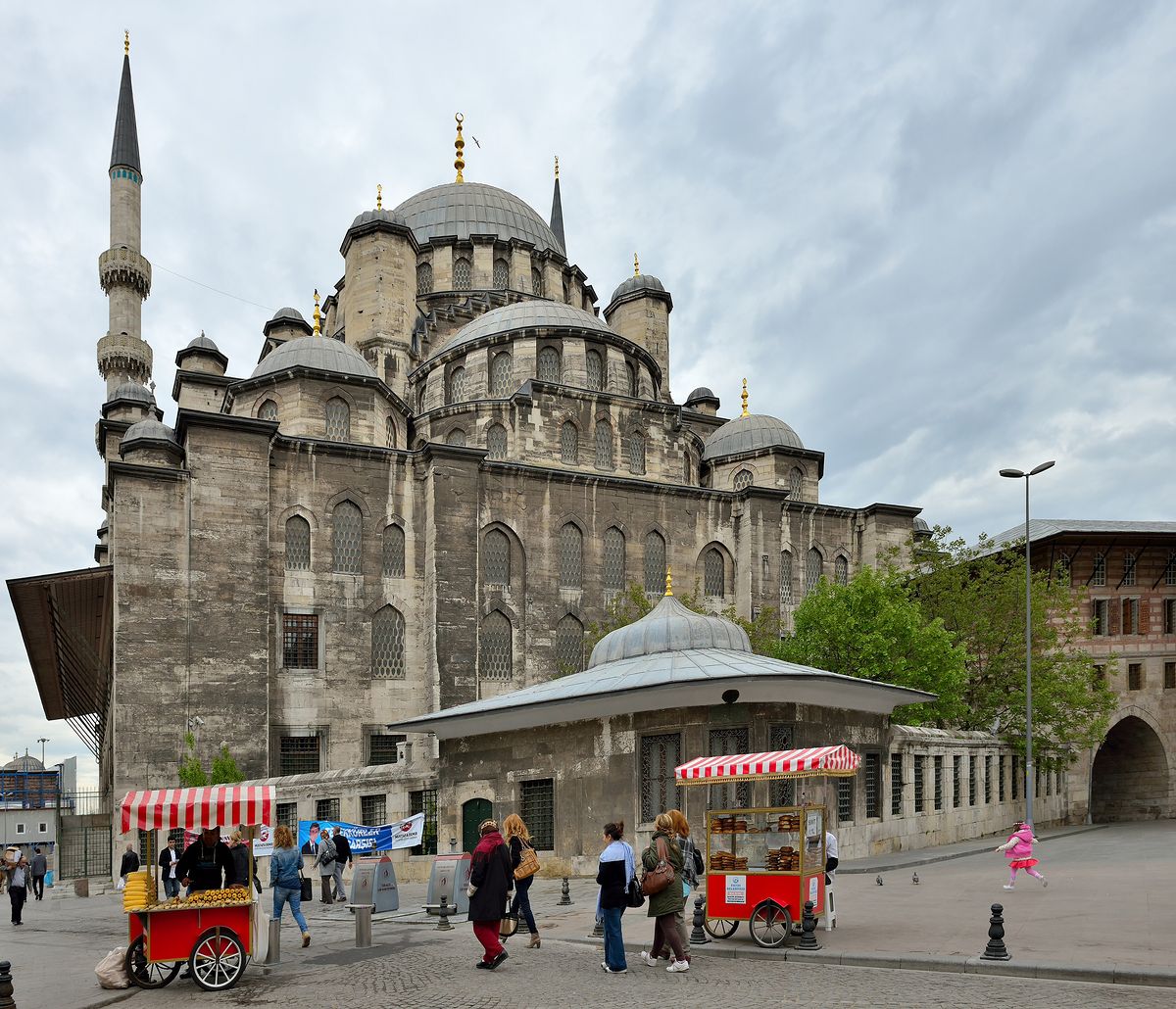
It begins at Eminönü, where the New Mosque rises behind the piers and the waterfront smells of diesel, grilled fish and wet rope. You tap your card at the turnstile, cross a gangway that lifts and drops with the swell, and not long afterwards you step off in Asia. Nobody on board finds this remarkable except the visitors, who stand at the rail in the wind while everyone else sits inside with a glass of tea.
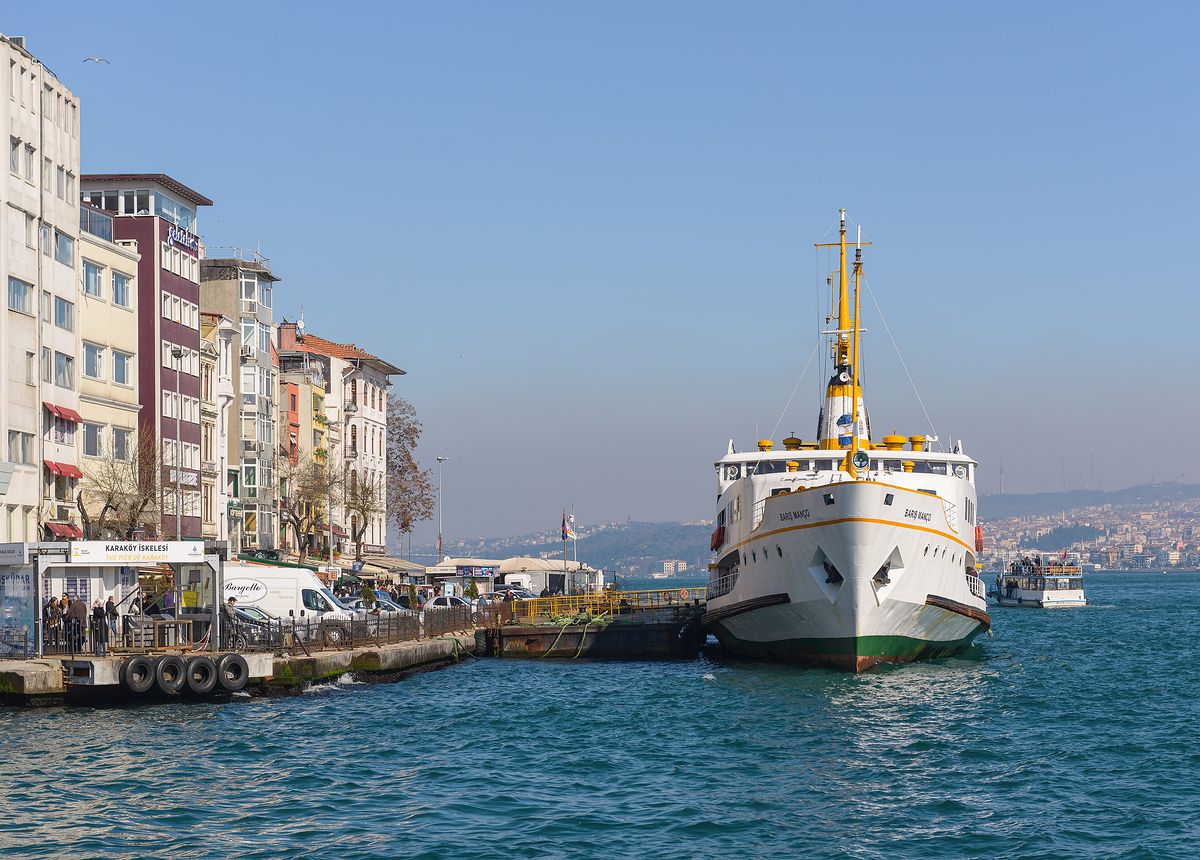
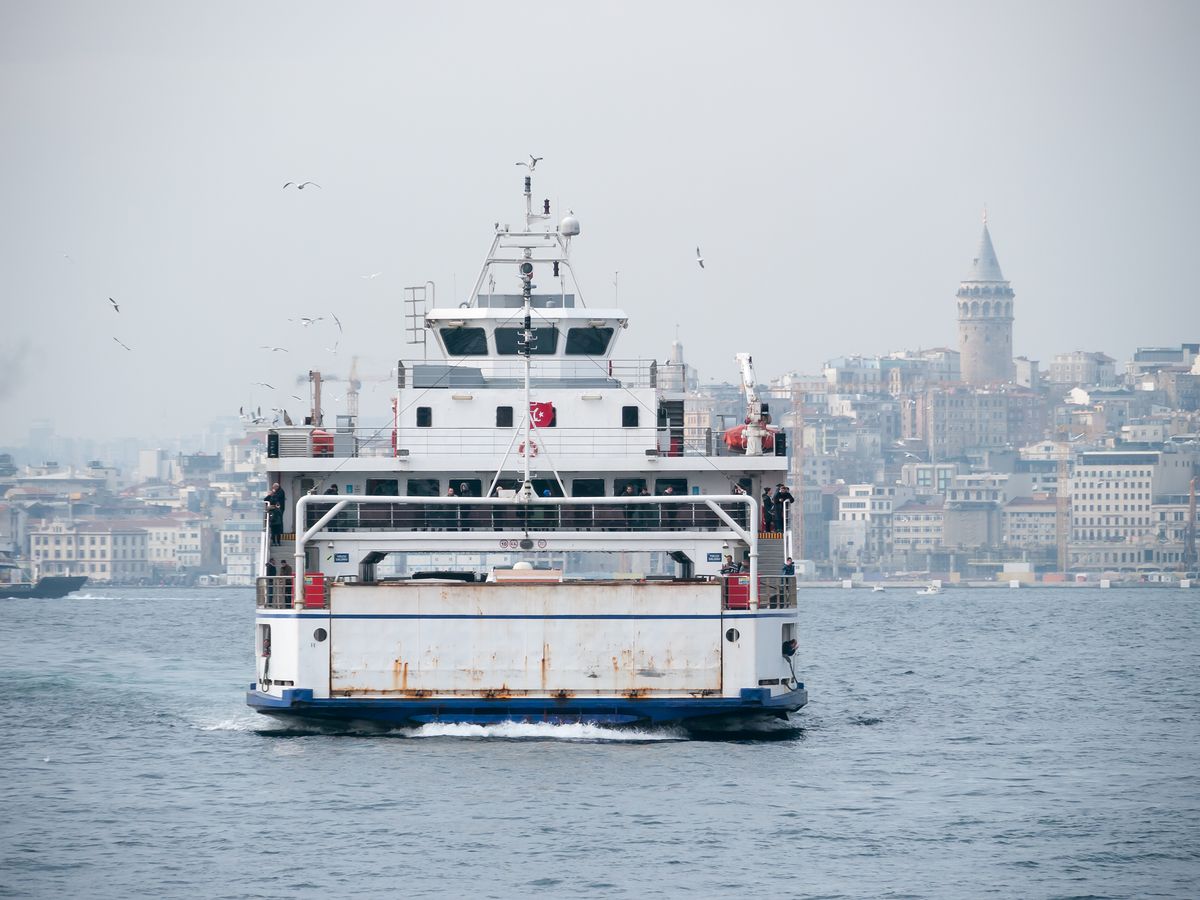
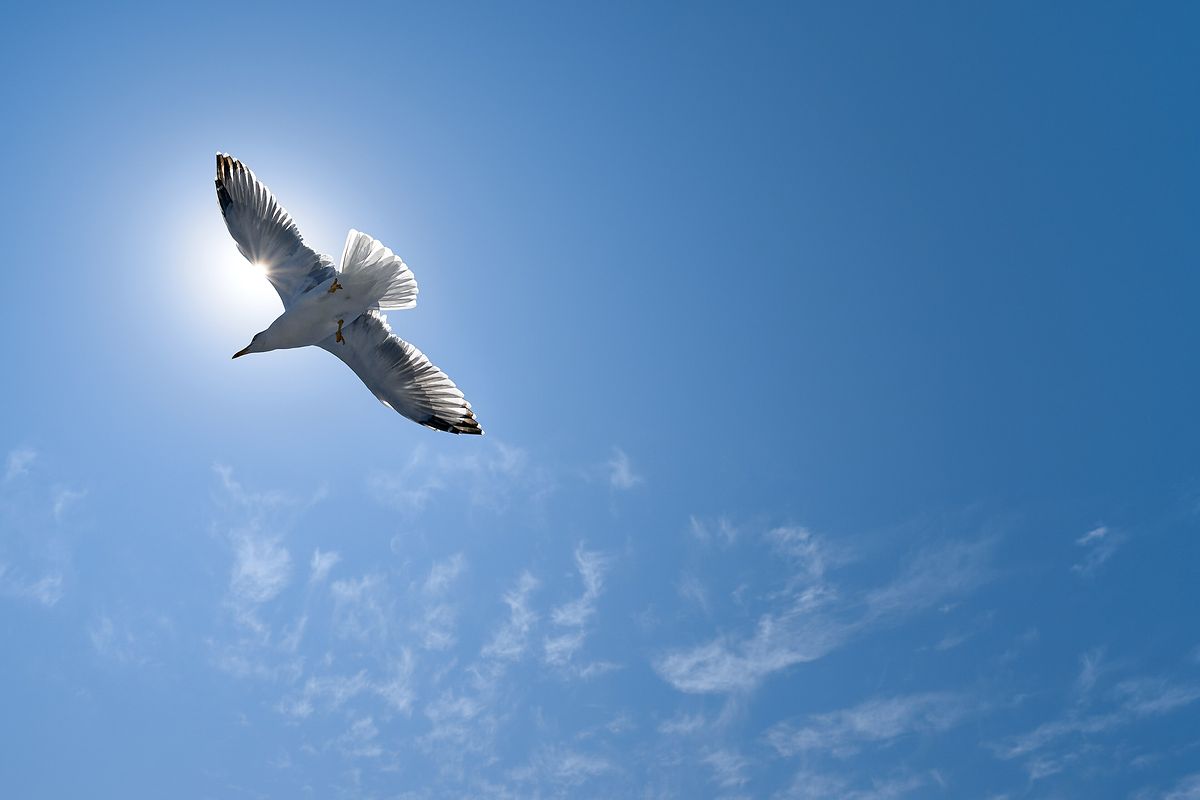
We were visitors, so we stood at the rail. Early March is not generous weather for it. The sky over the Bosphorus was mostly a milky grey, a cold wind came down the strait from the Black Sea, and twice showers chased us indoors. But that haze is kind to the city. The Galata Tower floats above the roofs of Beyoğlu, the far shore fades in layers, and the gulls hang beside the upper deck at exactly eye level, waiting for someone to tear off a piece of simit. Someone always does. Usually it was Tom.
The other shore
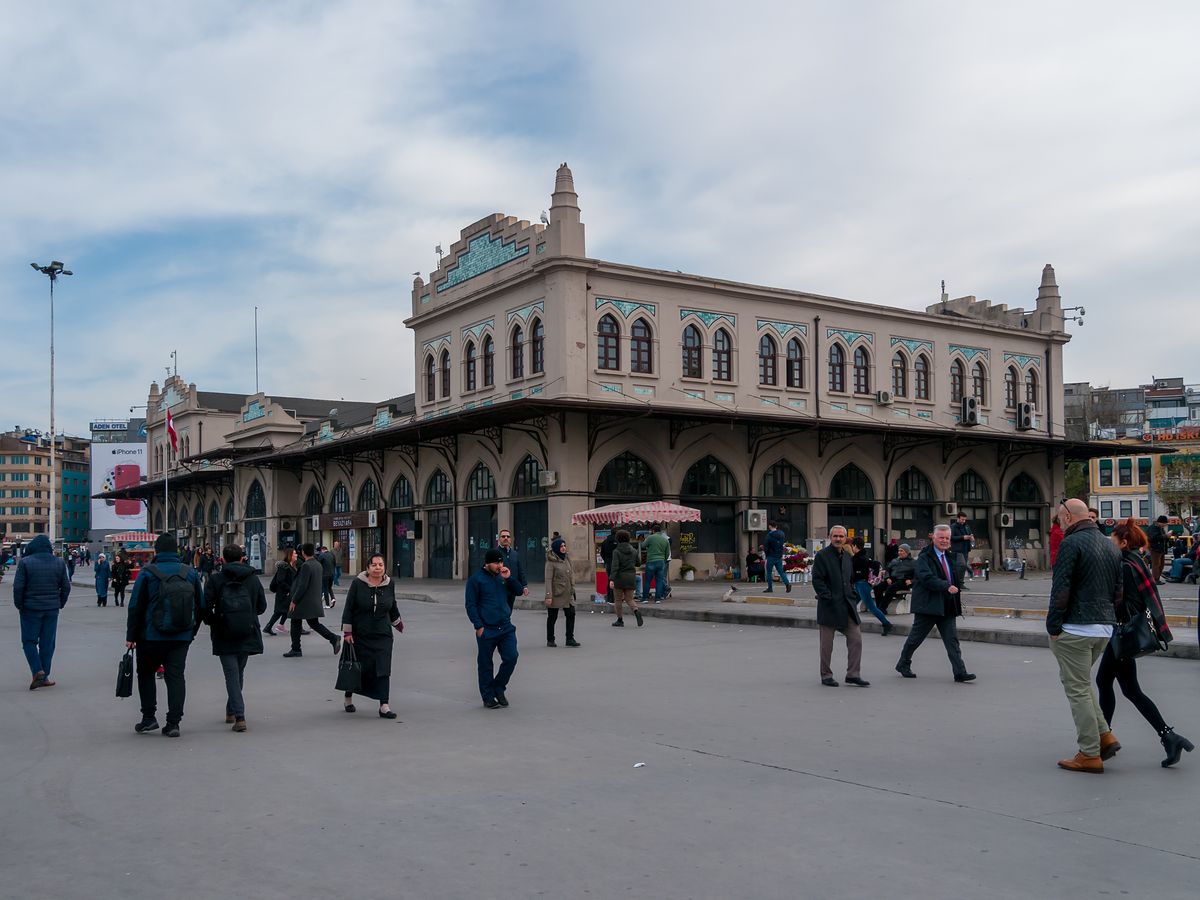
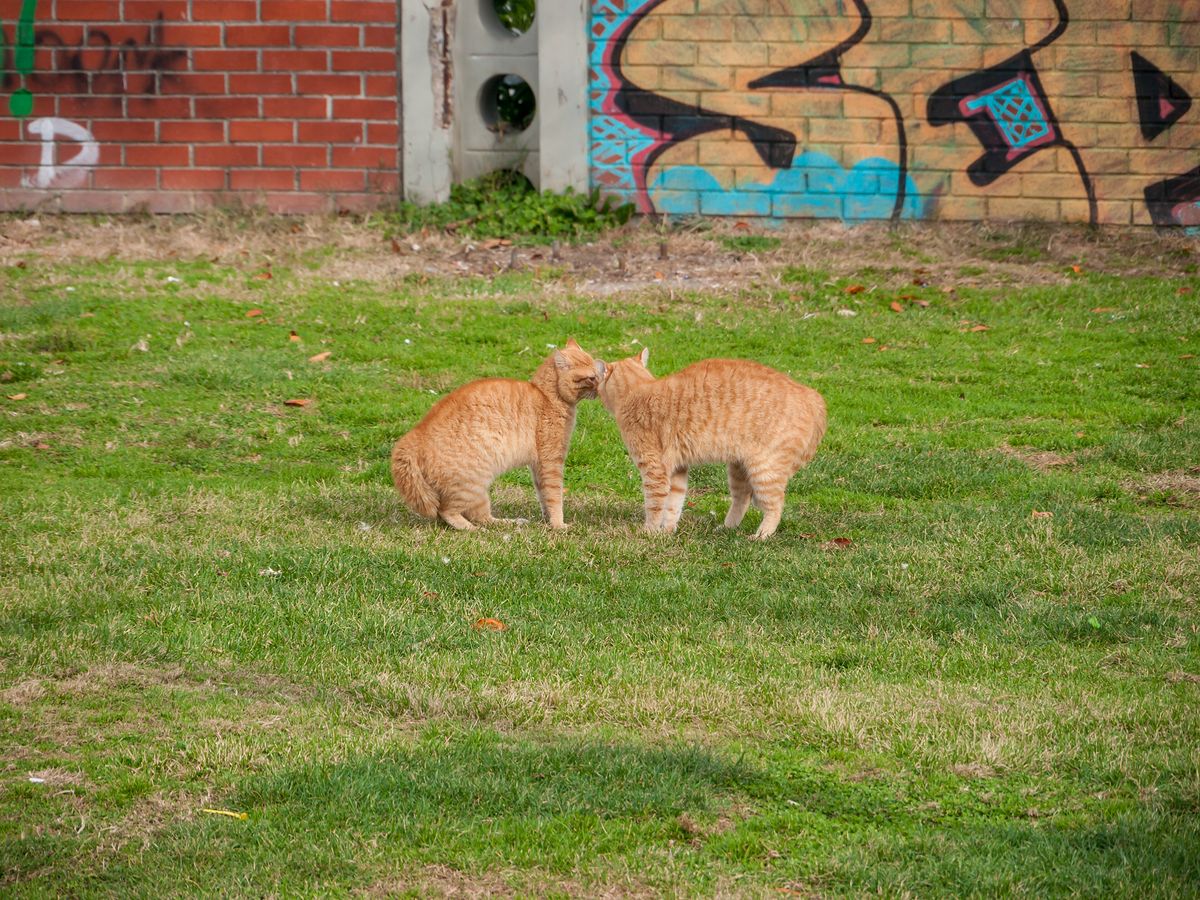
We crossed to Kadıköy most mornings, walked past the old market hall by the pier, now a theatre, and lost an hour in the streets behind it, where the fishmongers sluice down their counters and the greengrocers build careful pyramids of oranges. Kadıköy’s cats are a population in their own right, fed from bowls left on doorsteps and entirely confident about it. Two of them held a long, courteous conversation on the grass while Tom waited for either of them to notice him. Neither did.
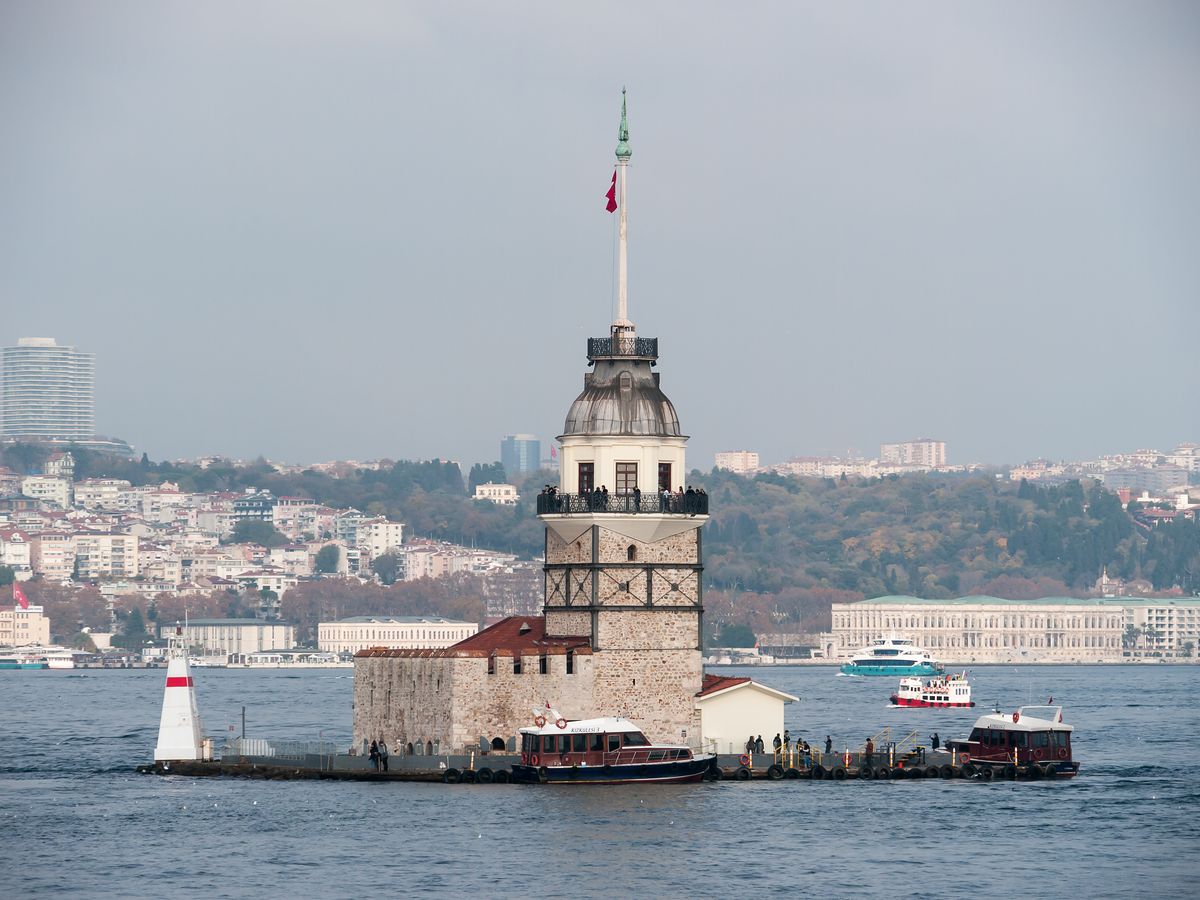
From Üsküdar, a short ride along the shore, the Maiden’s Tower sits on its rock in the current with the whole European skyline behind it. We ate lunch on the sea wall there one grey afternoon in every layer we had packed, and watched the boats cross and recross like shuttles on a loom.
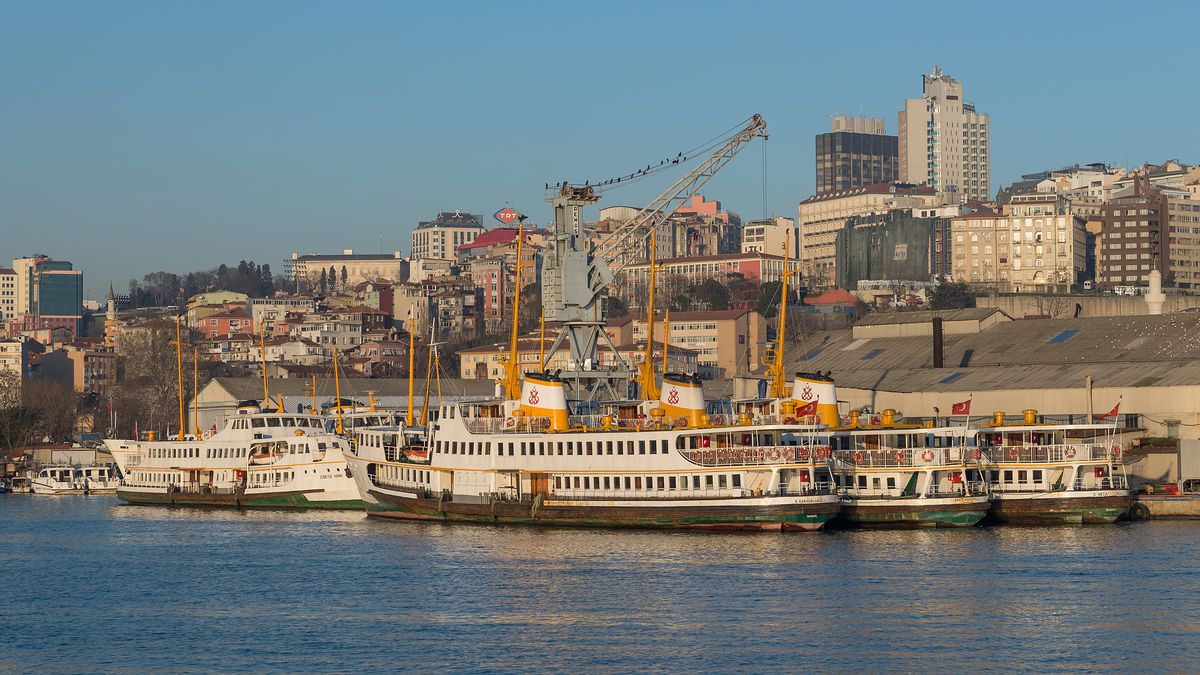
Later that week we boarded the wrong boat. Instead of Karaköy it turned into the Golden Horn and pottered upstream, nearly empty, calling at piers we had never heard of. We passed the old shipyards, where retired ferries lie moored side by side with their paint flaking, and agreed it was the best mistake of the trip.
On foot
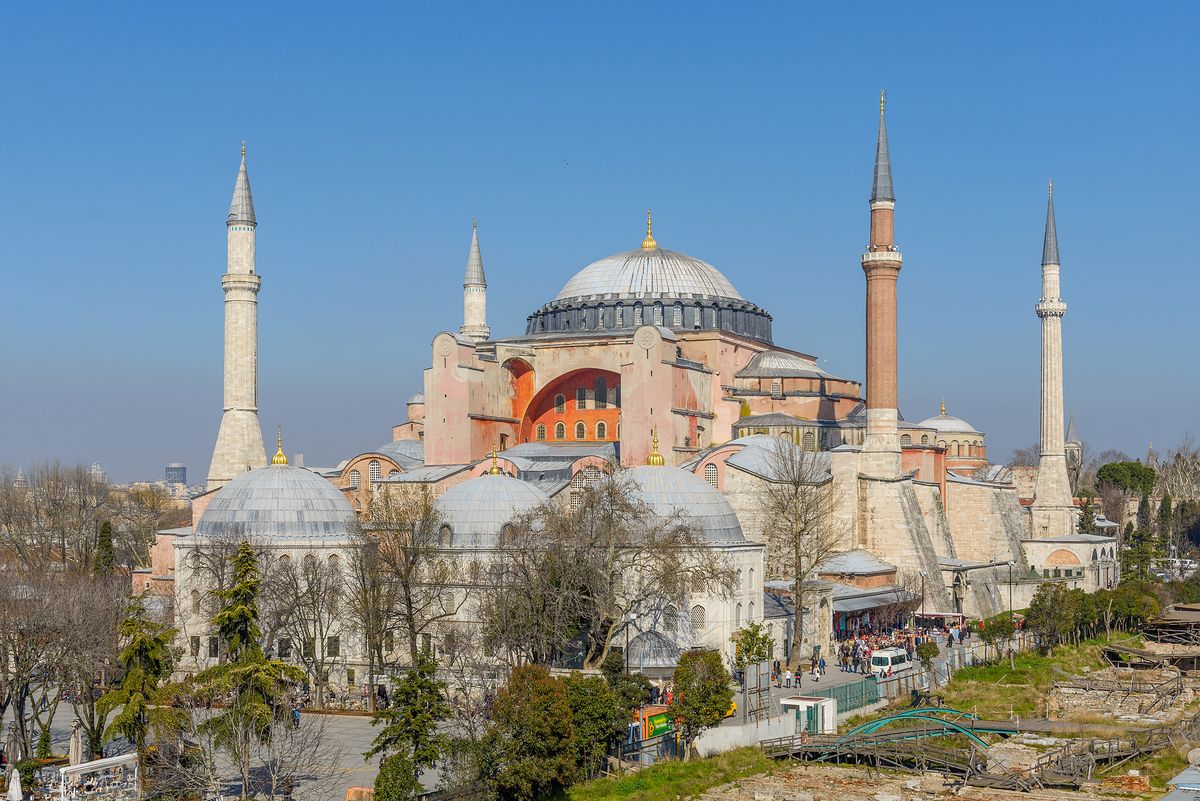
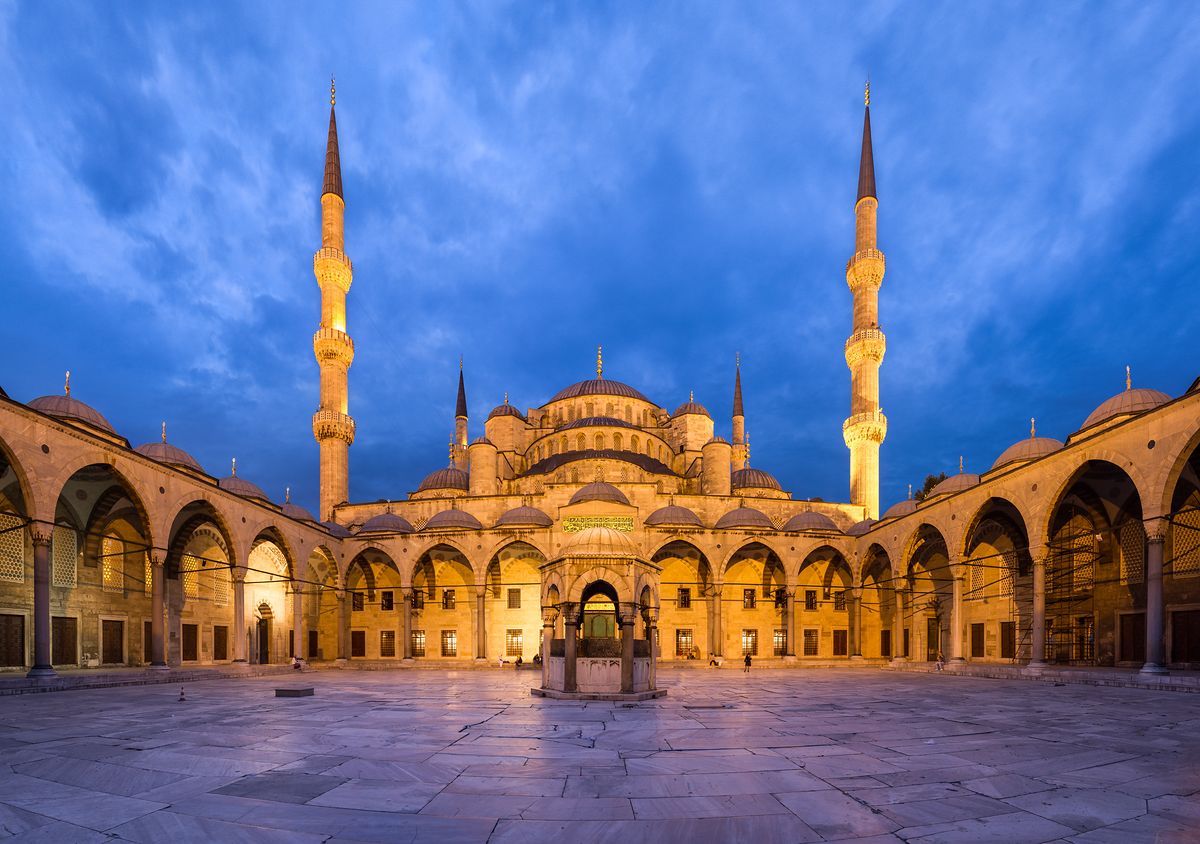
The mosques we did on foot, on the European side, in the gaps between showers. Outside the New Mosque the simit sellers park their red carts beside the Spice Bazaar, and the smell of cumin follows you round the corner. Hagia Sophia stood in thin sunshine above trees that had not yet decided it was spring. We returned to the Blue Mosque at dusk, when the tour groups had gone and the courtyard lamps were coming on.
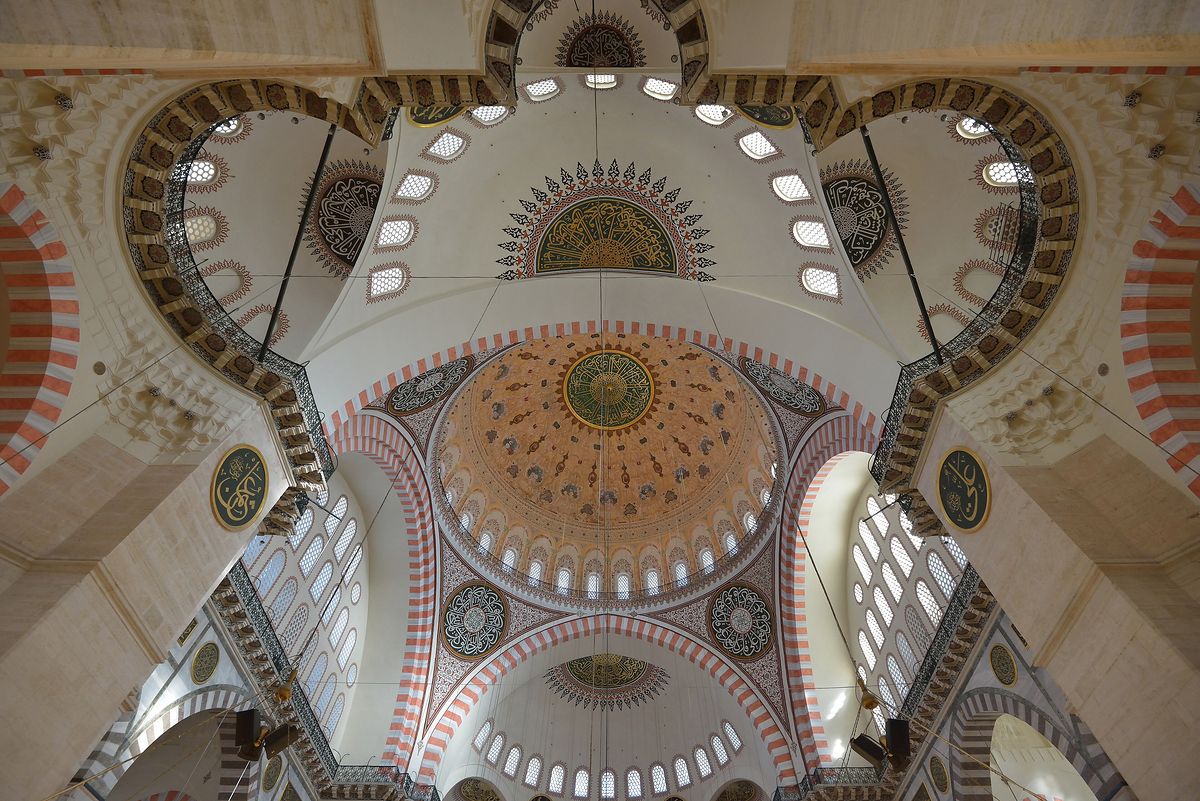
It was the Süleymaniye, though, that stopped us talking. We stood under the great dome for a long time, then walked out to find it raining again.
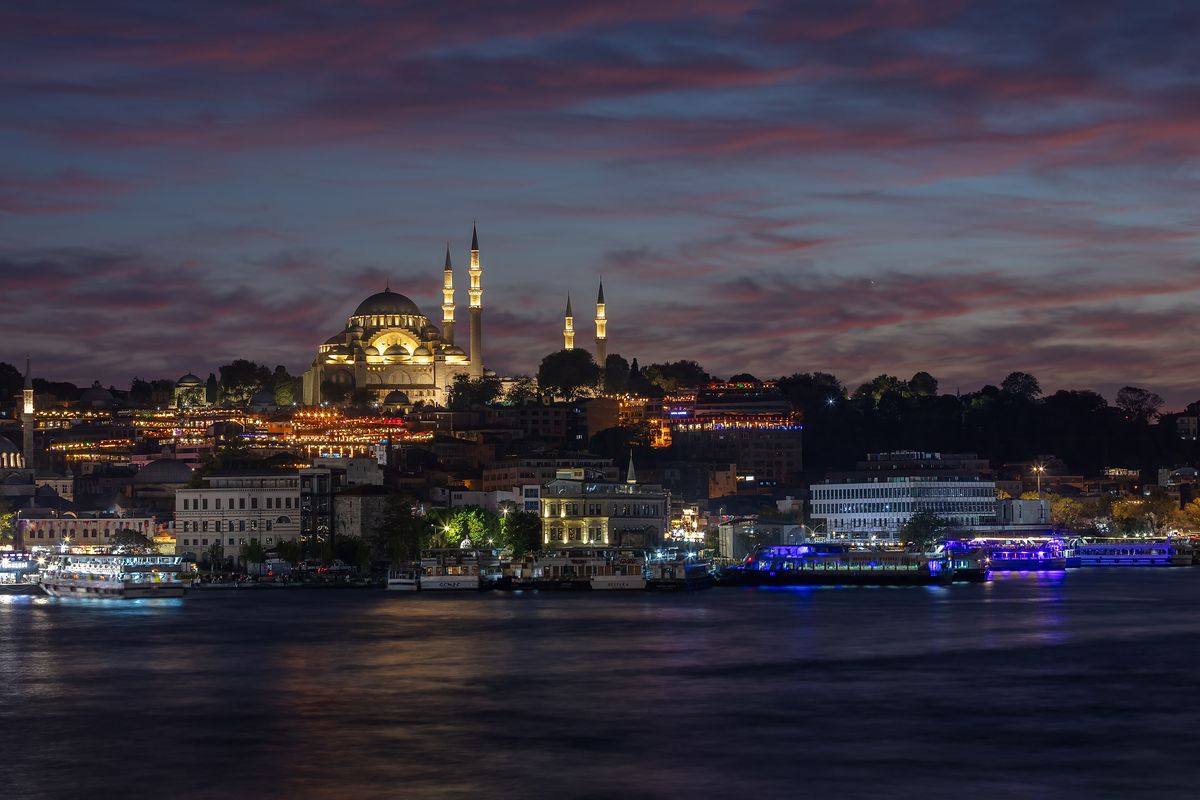
On our last evening we took a late boat back from Kadıköy and stayed outside as it came into Karaköy. Across the mouth of the Golden Horn the Süleymaniye was lit on its hill, the water had gone the colour of ink, and Tom, for once, had eaten all of his simit himself.
Notes
- An İstanbulkart pays for ferries, trams and the metro; top it up at machines by the piers.
- At Eminönü the Kadıköy and Üsküdar boats use different piers; check the boards first.
- Mosques close to visitors at prayer times. Cover shoulders and knees; women need a headscarf, and shoes come off.
- The Golden Horn boats are slow, quiet and worth catching on purpose.