Seville, Between Blossom and Shade
Orange blossom, tiled courtyards and long evenings by the Guadalquivir: four spring days in Seville, mostly spent looking for shade.
The first thing Seville does is smell. We walked out of the station into a street lined with orange trees in full blossom, and the scent was so thick that Clara stopped on the pavement and said, slightly accusingly, that nobody had warned her. They are the bitter oranges, the ones that end up in British marmalade, and at the start of April every tree in the city hums with bees.
We had four days, no plan beyond a list of rooftops, and the vague idea that spring would be gentle. It was, until about eleven each morning. After that the real business of the day became getting from one patch of shade to the next.
Up the Giralda
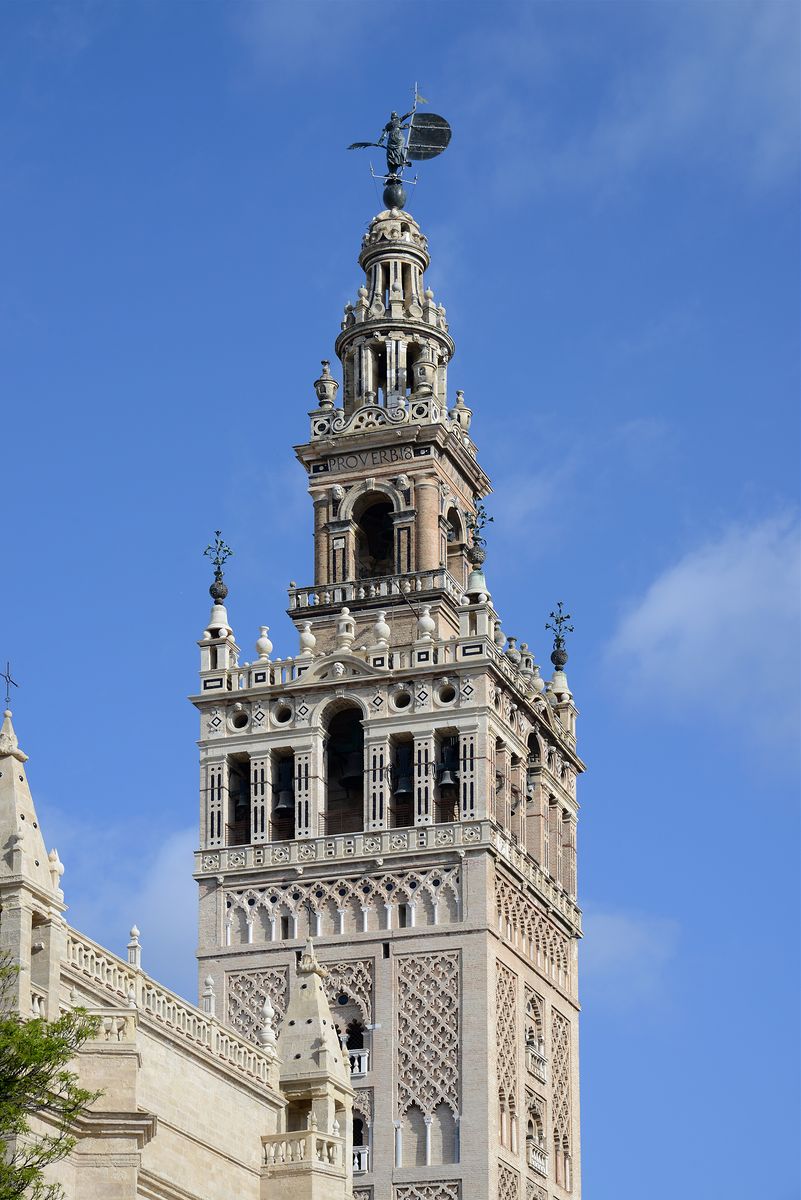
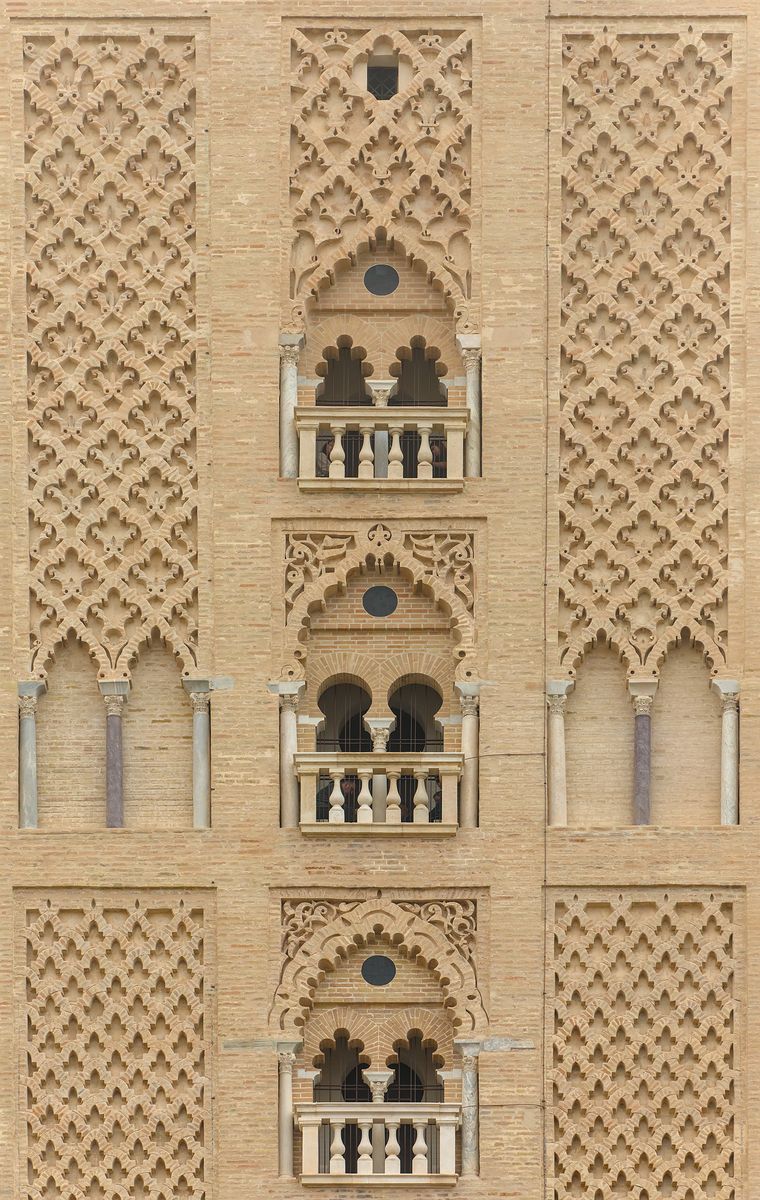
The Giralda was a minaret before it was a bell tower, and the way up still belongs to the first version: not stairs but a long series of ramps, wide enough, so the story goes, for a rider on horseback. It makes the climb oddly sociable. You plod round and round with everyone else, glimpsing the city through the window slits, and arrive at the bells barely out of breath.
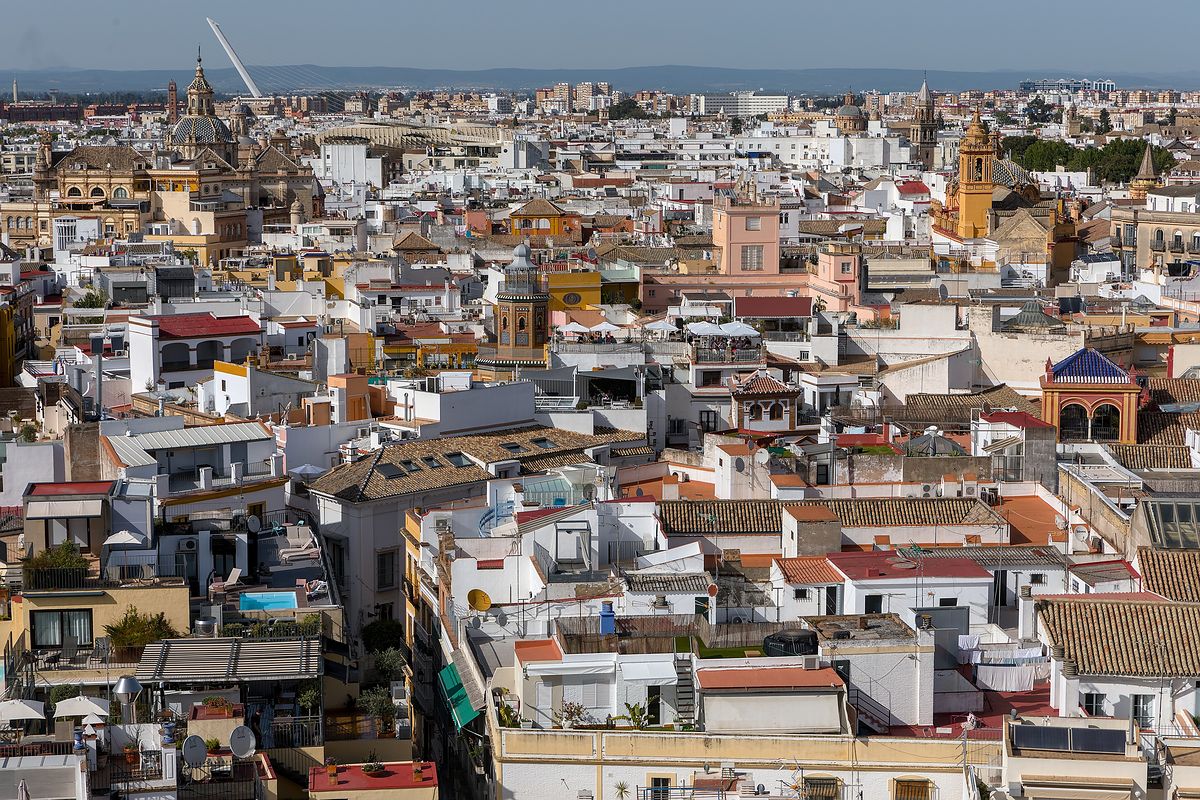
From the top the city runs white and terracotta to the horizon, roof terraces crowded with water tanks and satellite dishes, church towers poking up through it like masts. I tried to find our street and failed. Clara found it at once, and has mentioned this since.
Inside the Alcázar
The Alcázar is a royal palace still in use, which may be why it feels less like a museum than a series of very good rooms that someone has just stepped out of. Much of it was built for a Christian king by craftsmen working in the Islamic tradition, and the result never sits still: carved plaster, painted tiles, wooden ceilings worked into stars.
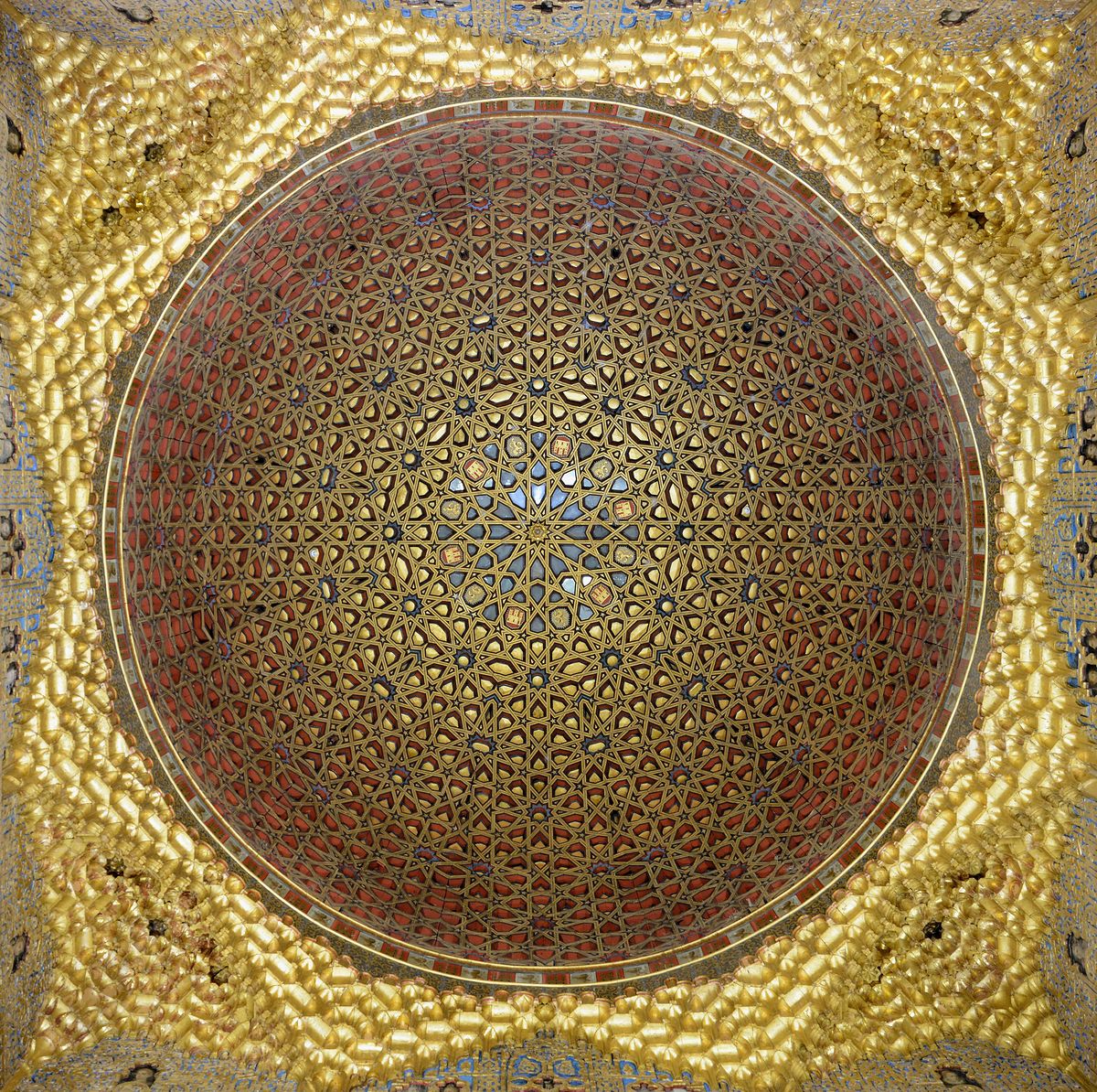
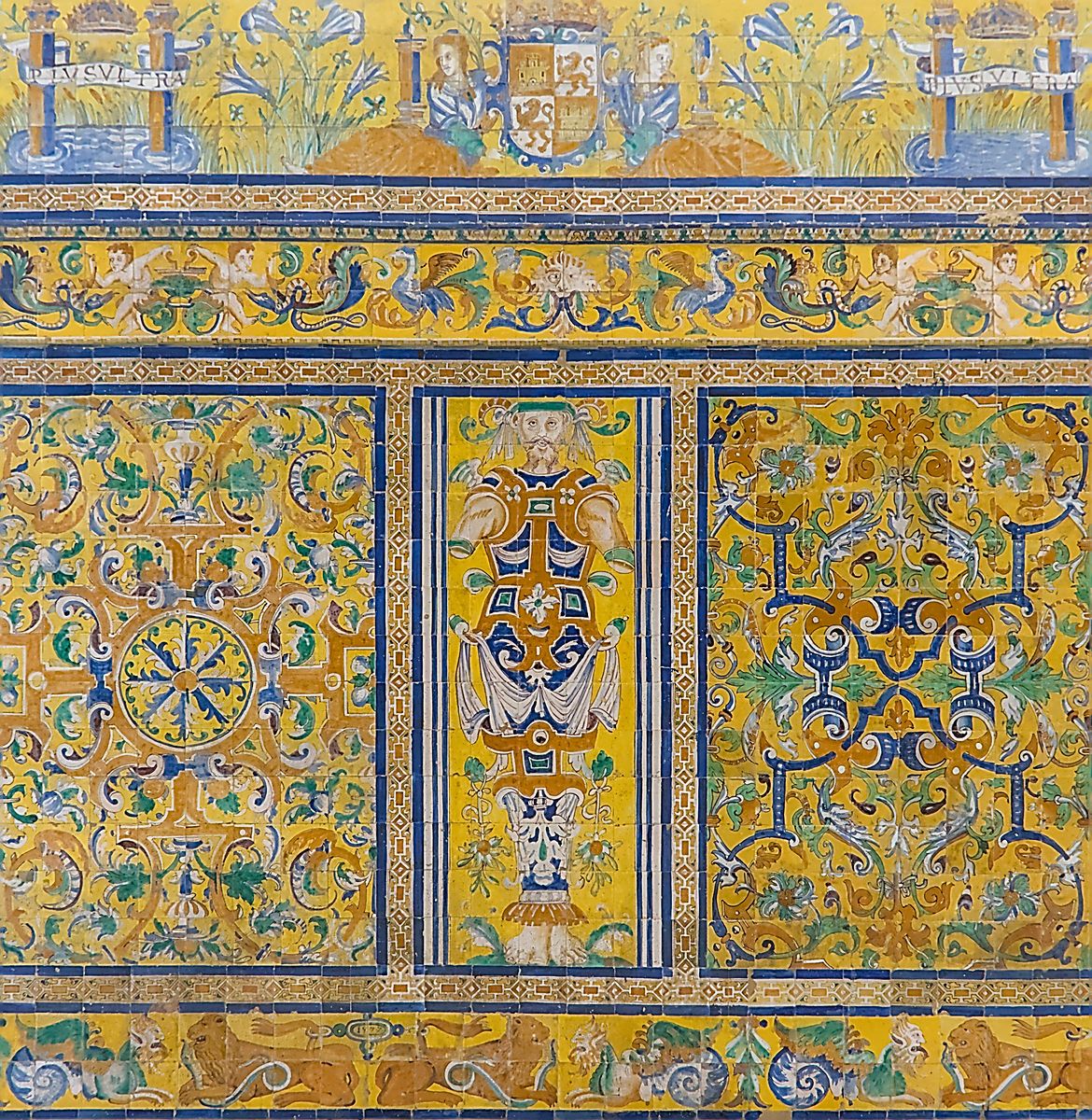
The dome in the Hall of Ambassadors is what everyone looks up at, and rightly. I stood under it long enough to get a crick in my neck, then moved on to the tiled halls of the older Gothic palace, where the walls are covered in yellow and blue and every panel is different.
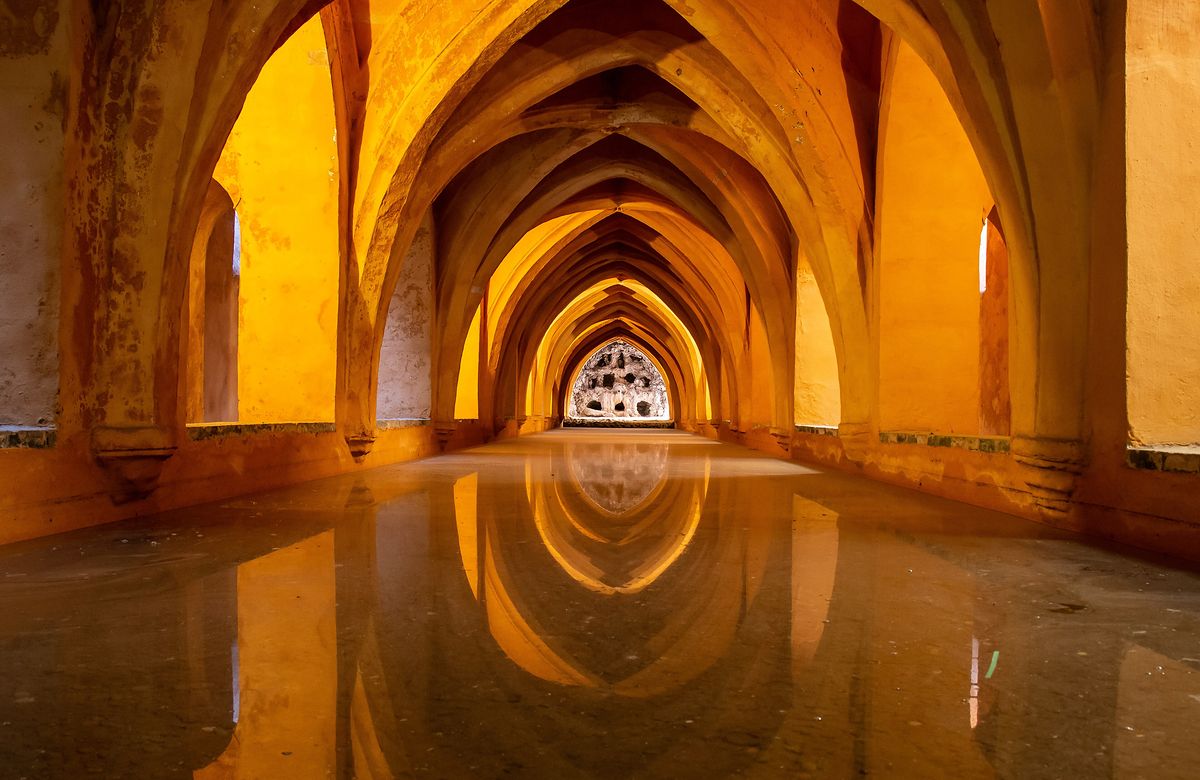
Below the courtyard garden, the old rainwater tanks known as the Baths of María de Padilla are the coolest place in Seville by several degrees. The vaults reflect in still water, and everyone who goes down lowers their voice without being asked.
Mushrooms and a half-circle
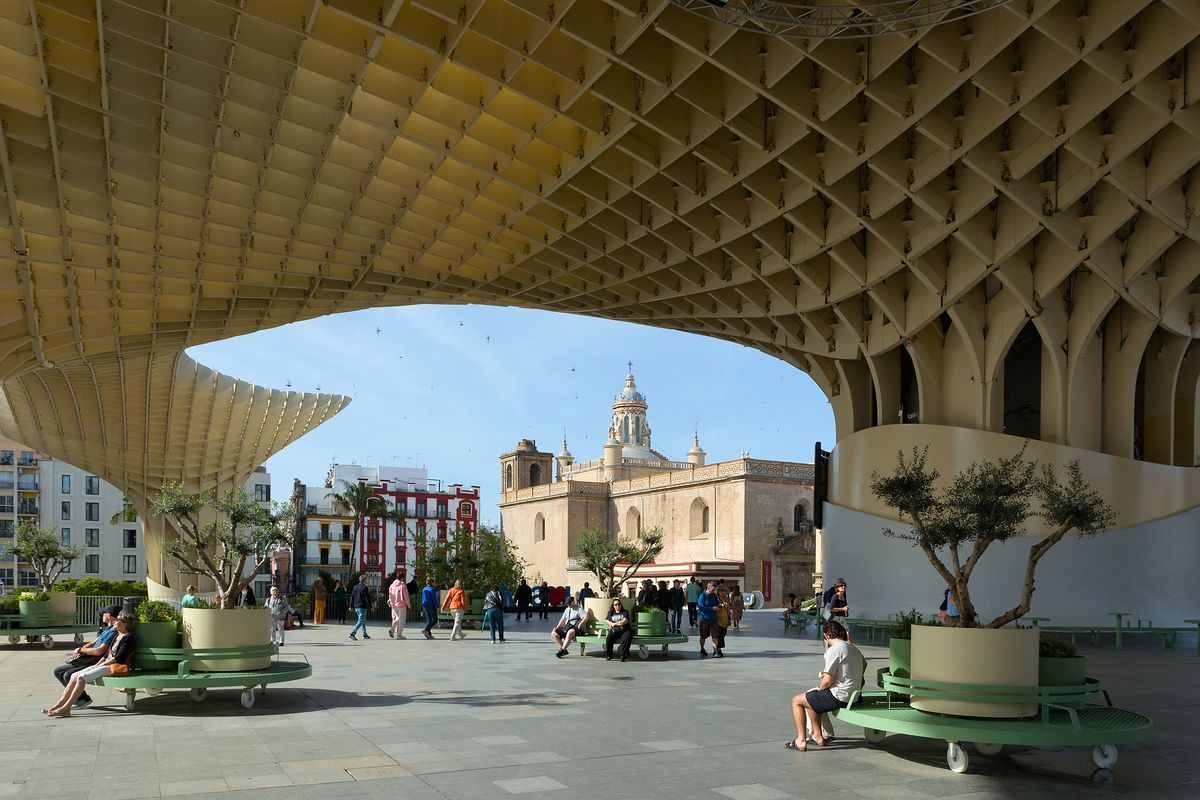
In the north of the old town, the Metropol Parasol spreads its timber canopy over the Plaza de la Encarnación. Locals call it las setas, the mushrooms. It took me about a minute to stop disapproving of it and start enjoying the shade, which I suspect is the usual sequence.
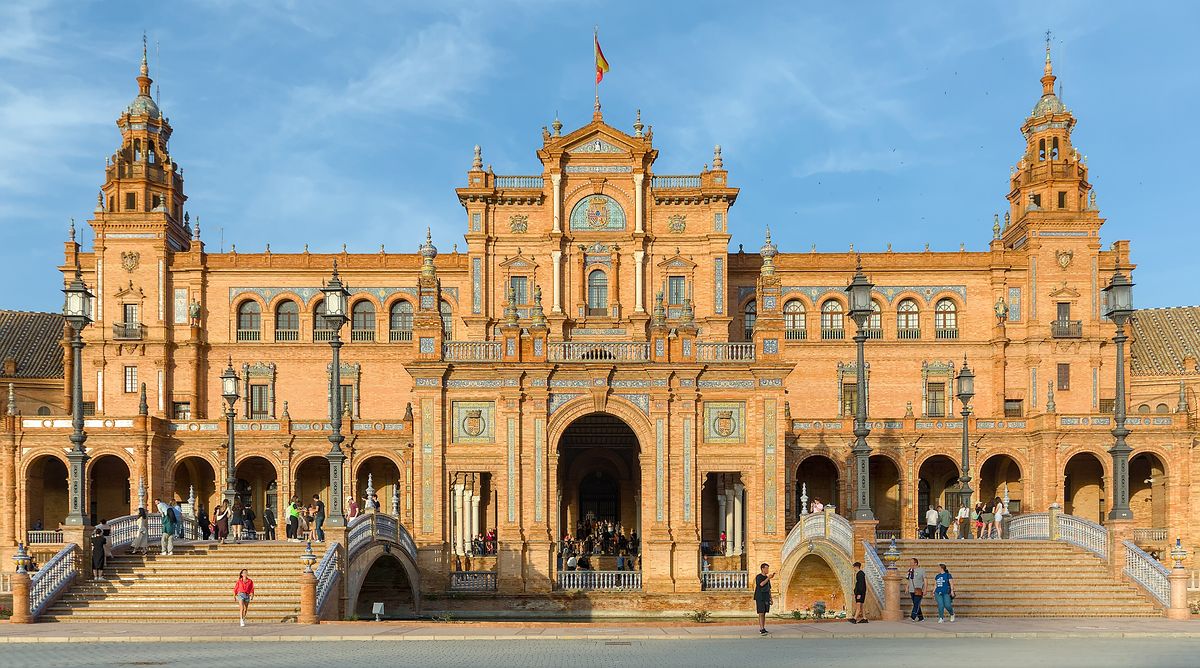
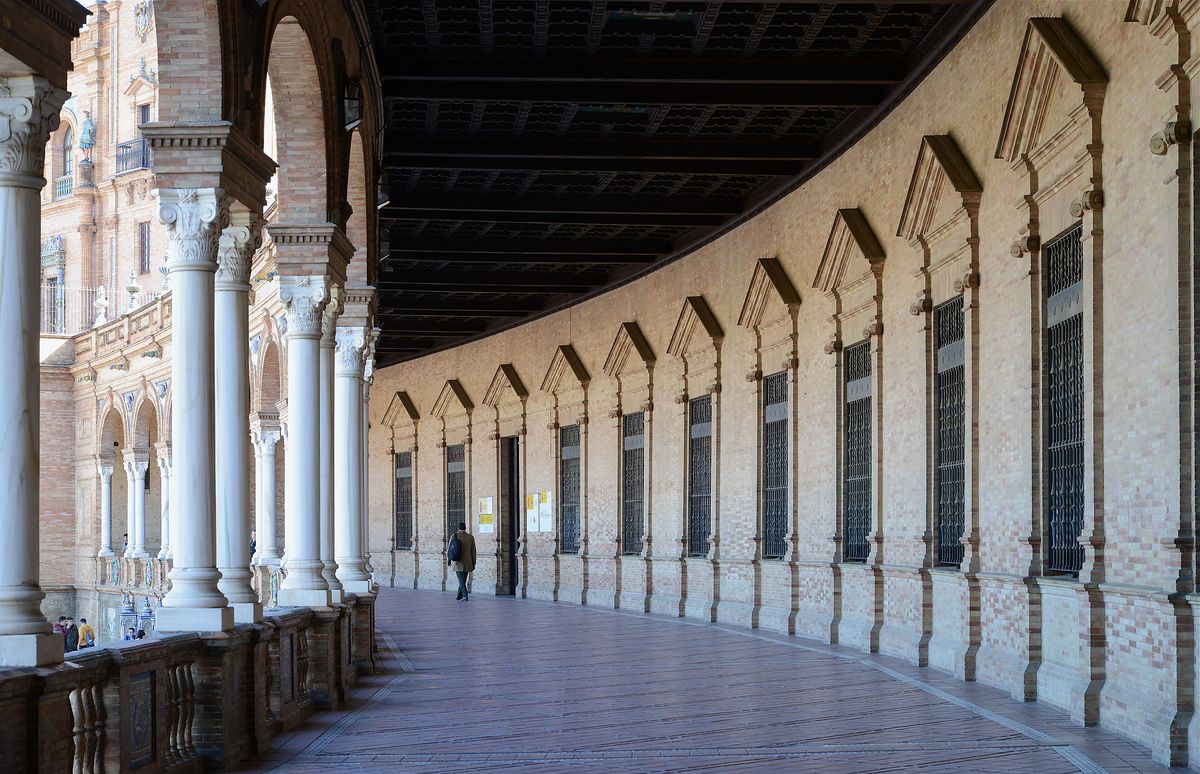
The Plaza de España is best in the late afternoon, when the sun drops low enough to turn the brick gold and stretch the shadows of the lamp posts across the paving. It was built for the 1929 exhibition at the edge of María Luisa Park: a vast half-circle with a canal in front, little bridges, rowing boats, and a tiled alcove for each Spanish province. People queue to be photographed in the one for their home town. Edinburgh not being a Spanish province, we sat in the colonnade instead and watched them.
Down to the river
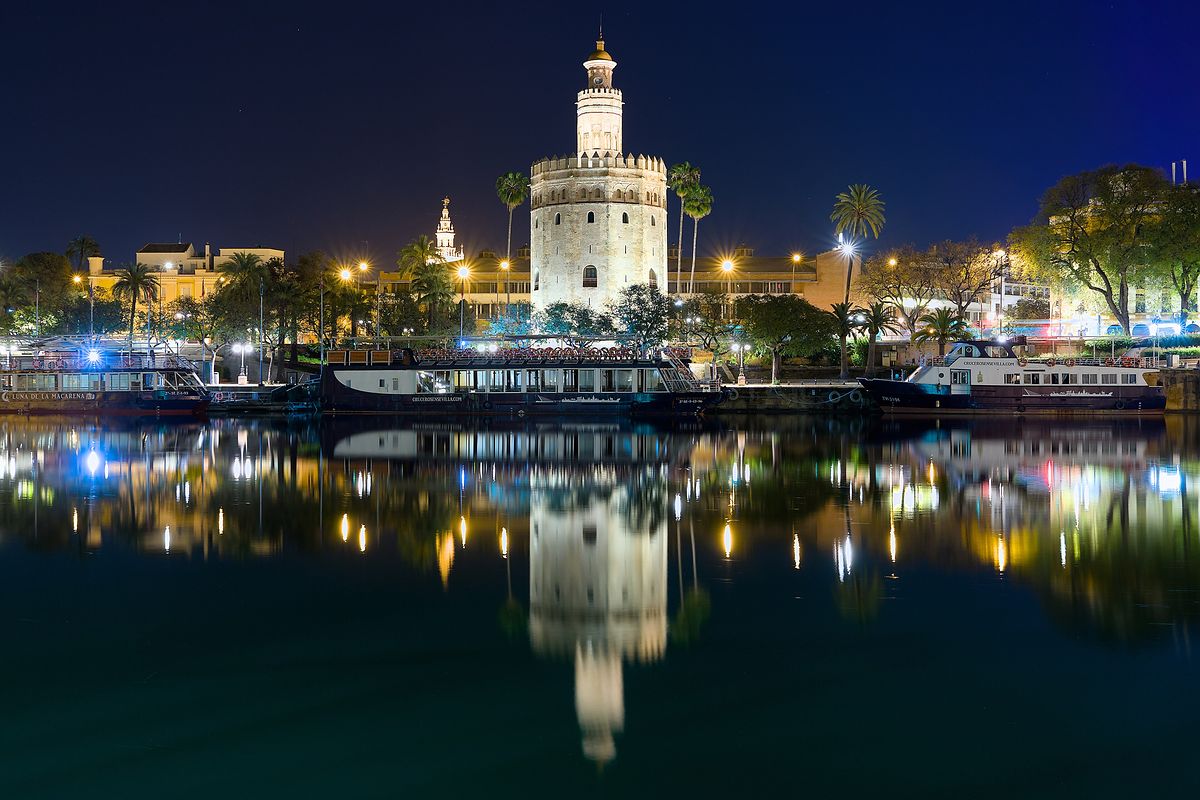
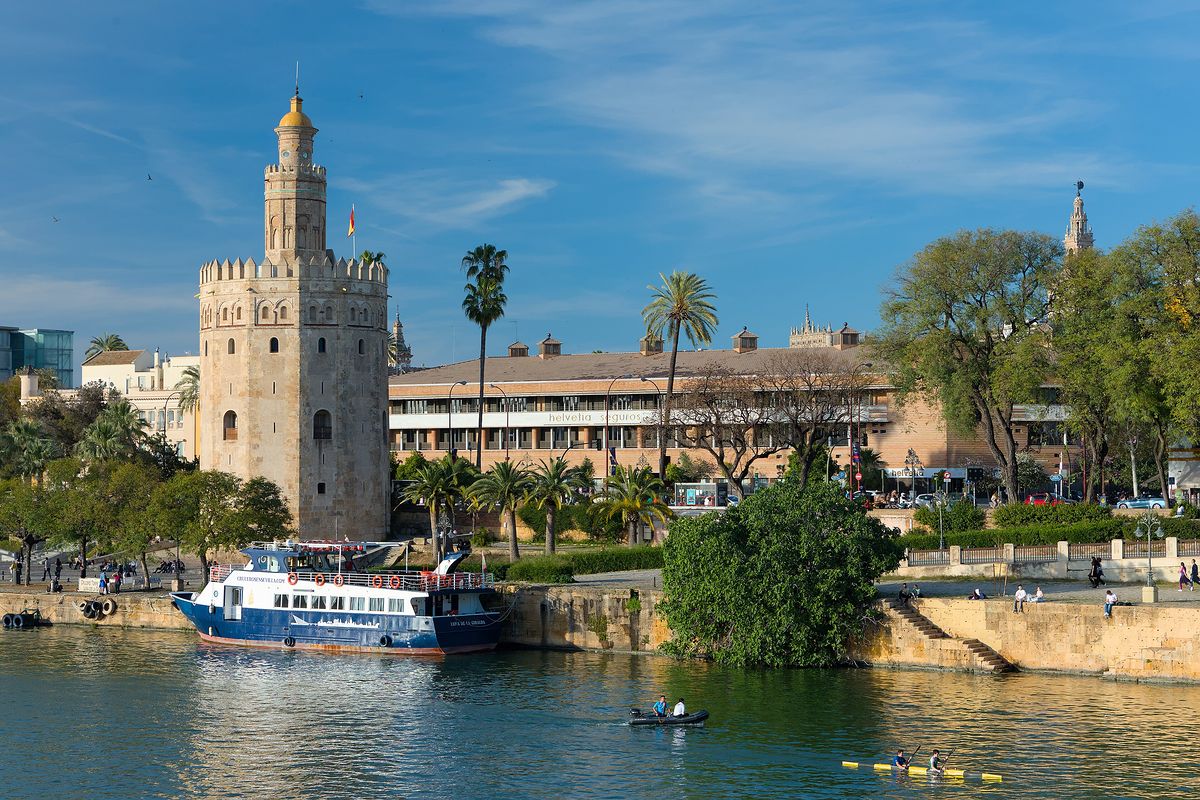
Every day ended at the Guadalquivir. The Torre del Oro, an old watchtower on the bank, has tour boats moored beneath it, and in the evening rowers slide past in the low sun.
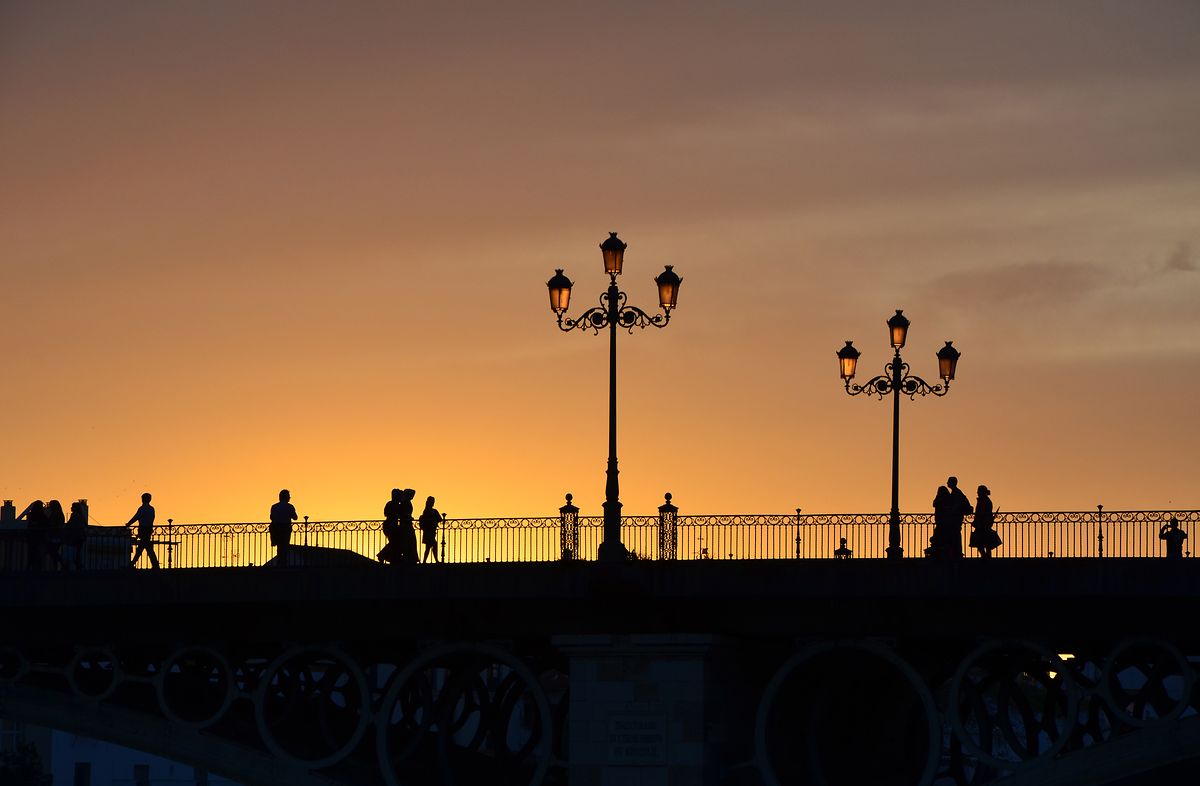
Crossing the Triana Bridge at sunset became a habit: iron railings, the old lamps, people stopping halfway over to watch the sky turn orange above Triana. Then a late dinner, because Seville does not really do any other kind, and the walk back along the water with the tower lit up and doubled in the river. The orange blossom was still there at midnight. So, by then, was a slight breeze.