Marrakech, and the Road over the Atlas
Four days of getting lost in the Marrakech medina, then a slow drive over the High Atlas to the earthen ksar of Aït Benhaddou.
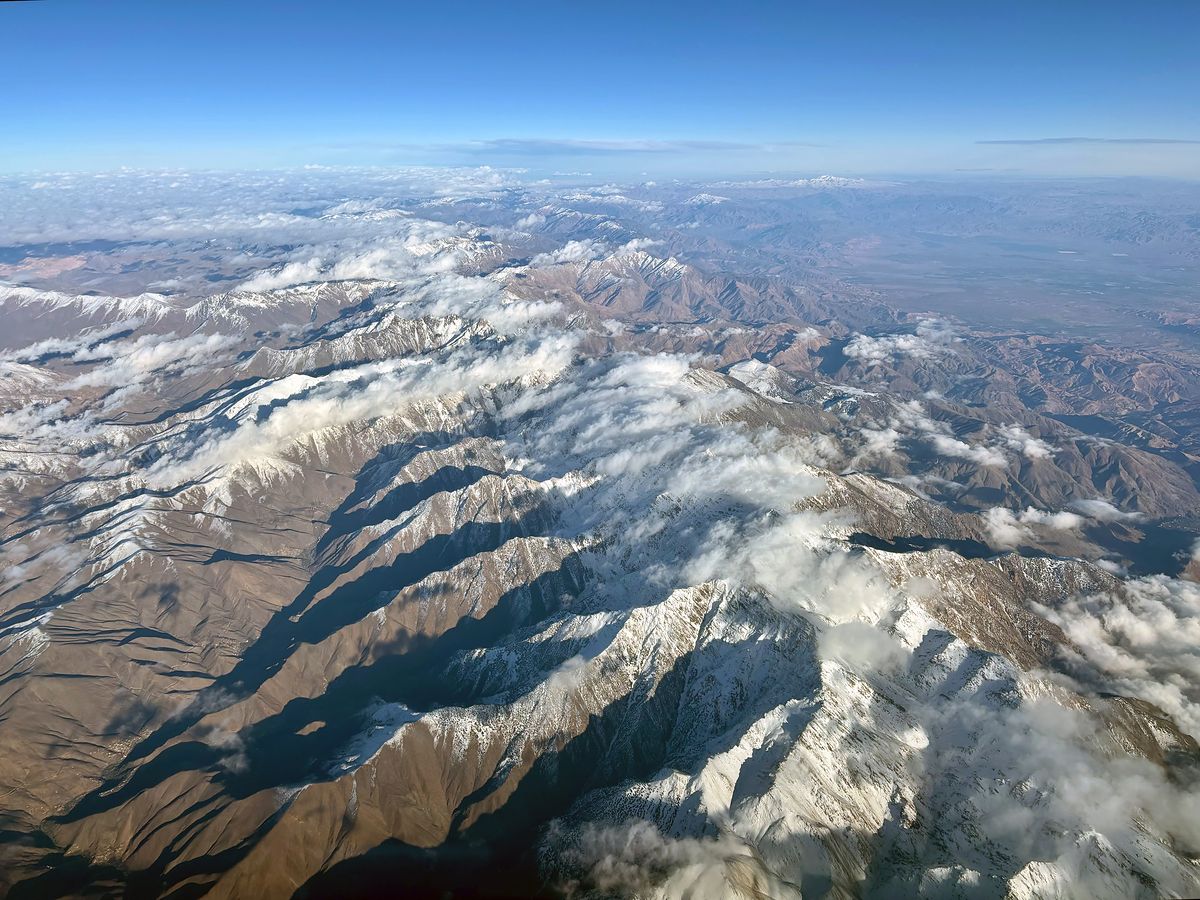
We flew into Marrakech at the end of April, and the last half-hour of the flight was the best introduction to the country we could have asked for. The High Atlas lay under the wing, a crumpled sheet of rock with snow still lying in the creases, and Tom, who had the window seat, narrated it to me in reverent whispers until the man across the aisle leaned over to ask which mountains they were.
Circles in the medina
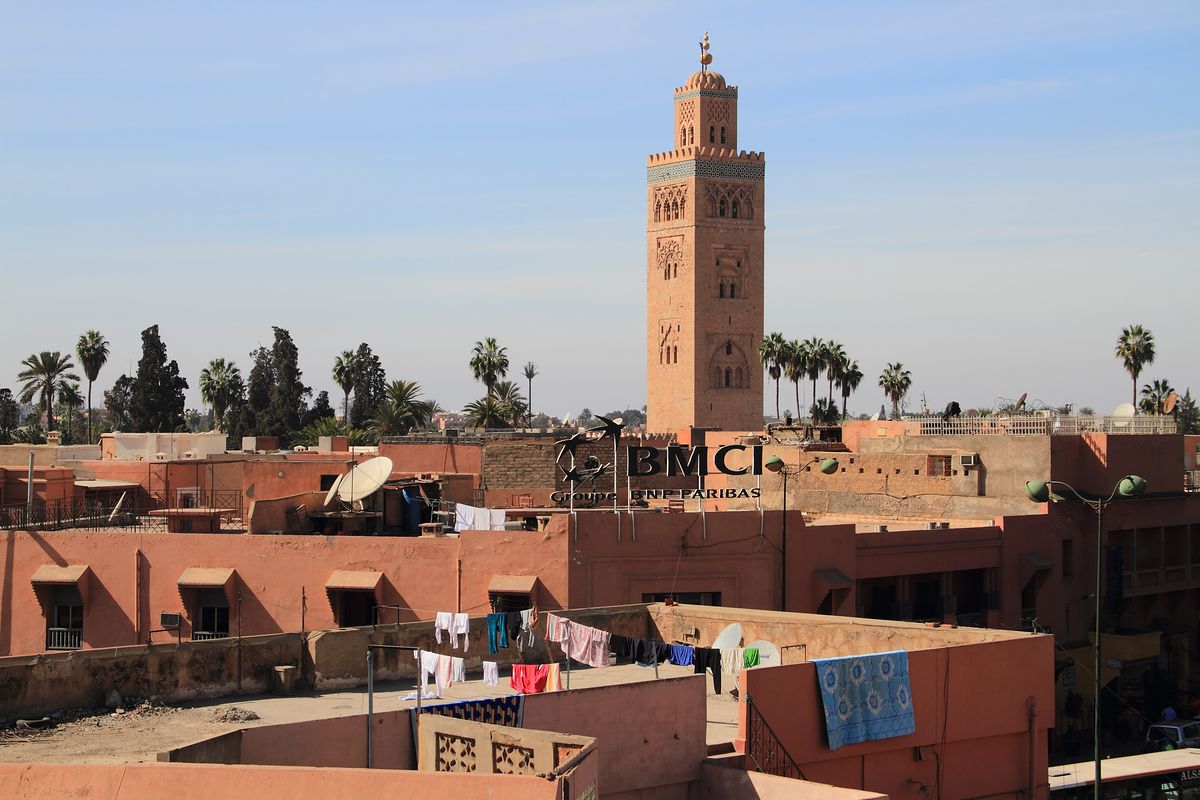
Marrakech is easier to love than to navigate. The Koutoubia minaret is meant to be your landmark, and it is: you can see it from almost every roof terrace in the old city, and reach it from almost none of the lanes you happen to be standing in. We spent our first morning walking in confident circles, politely declining offers of directions, then accepting one, then paying for it.
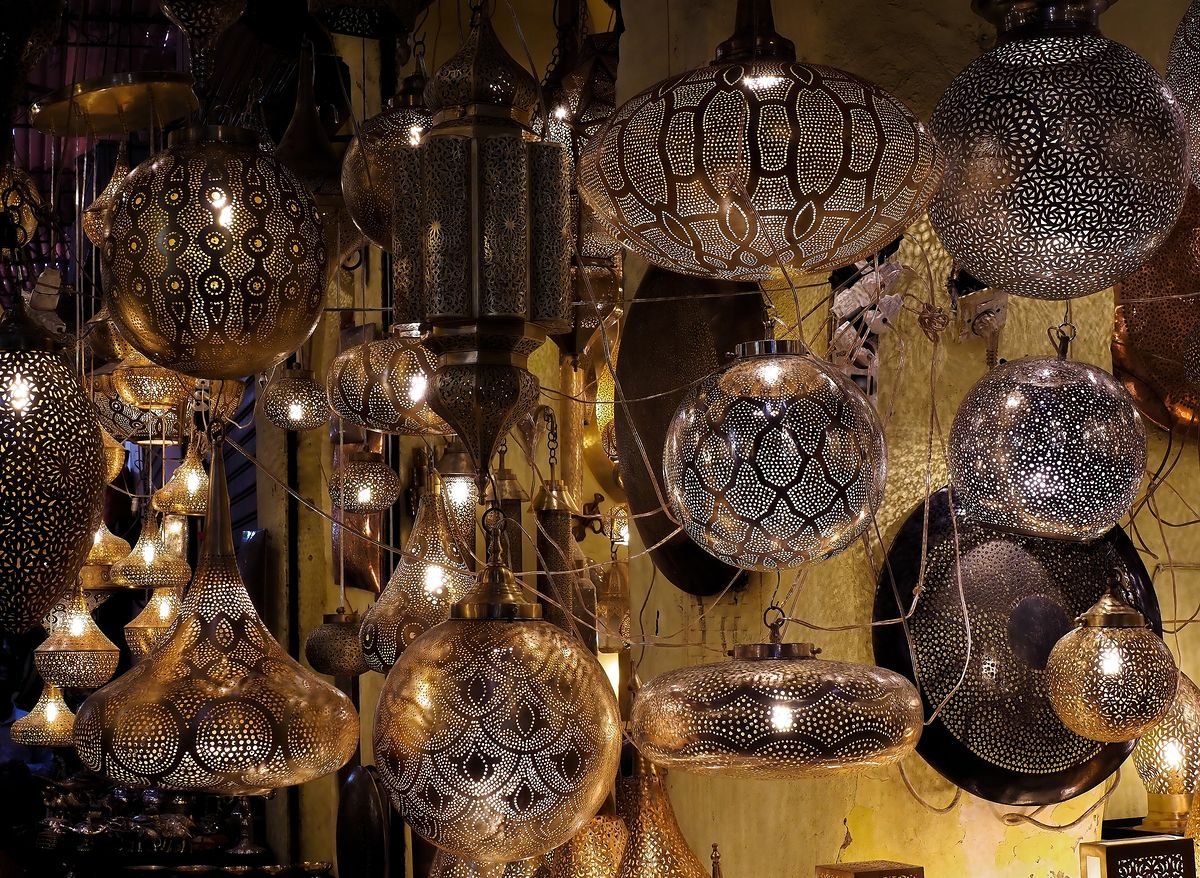
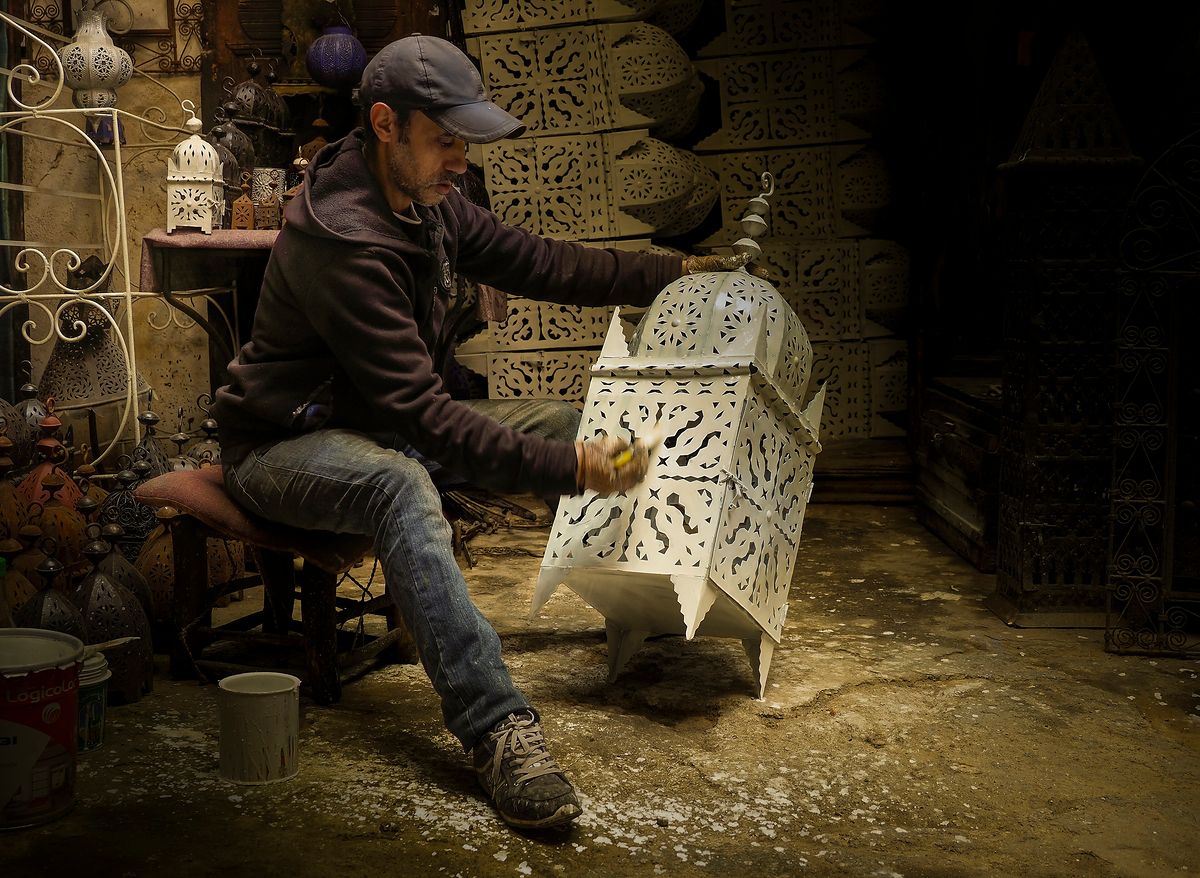
It got easier once we stopped trying. The souks north of Jemaa el-Fna run into one another by trade, and you can tell roughly where you are by what is being made. In the Souk Haddadine the air rings with hammering, and the lantern shops glow even at noon. We watched a craftsman painting a pierced metal lantern the size of a small child, working the brush into every hole without once looking up.
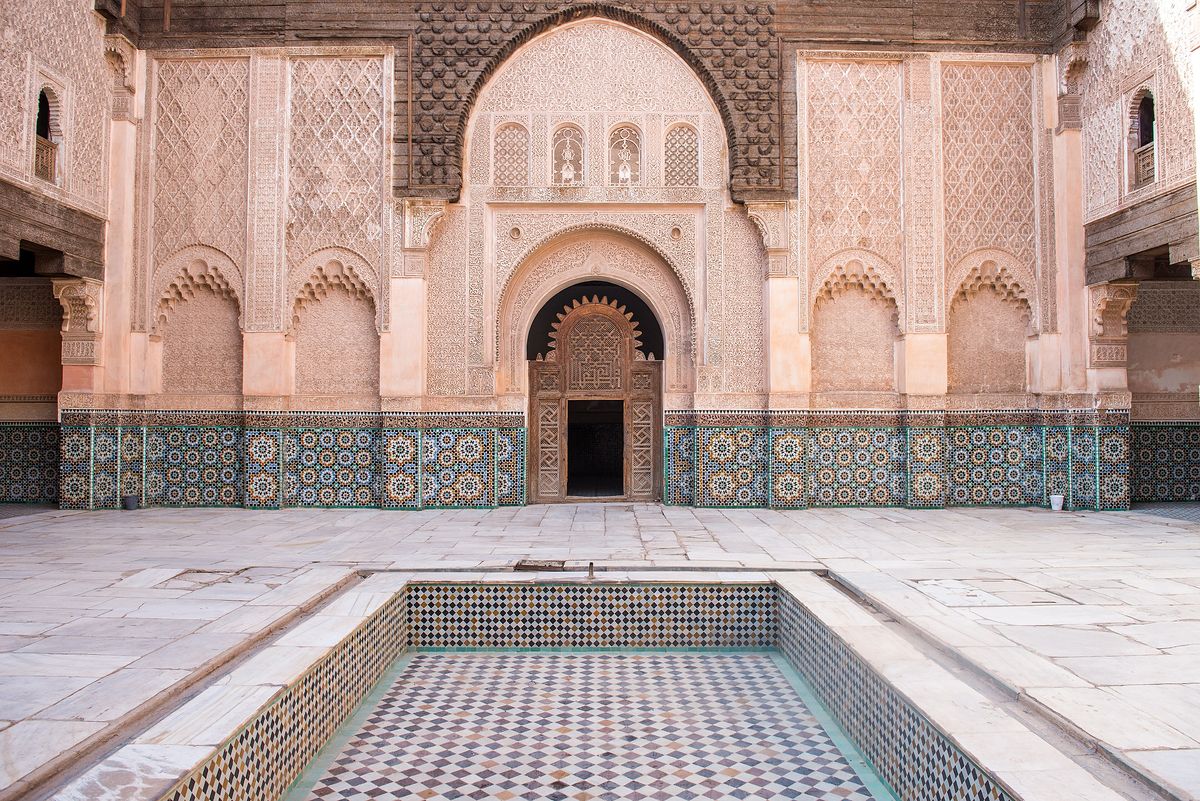
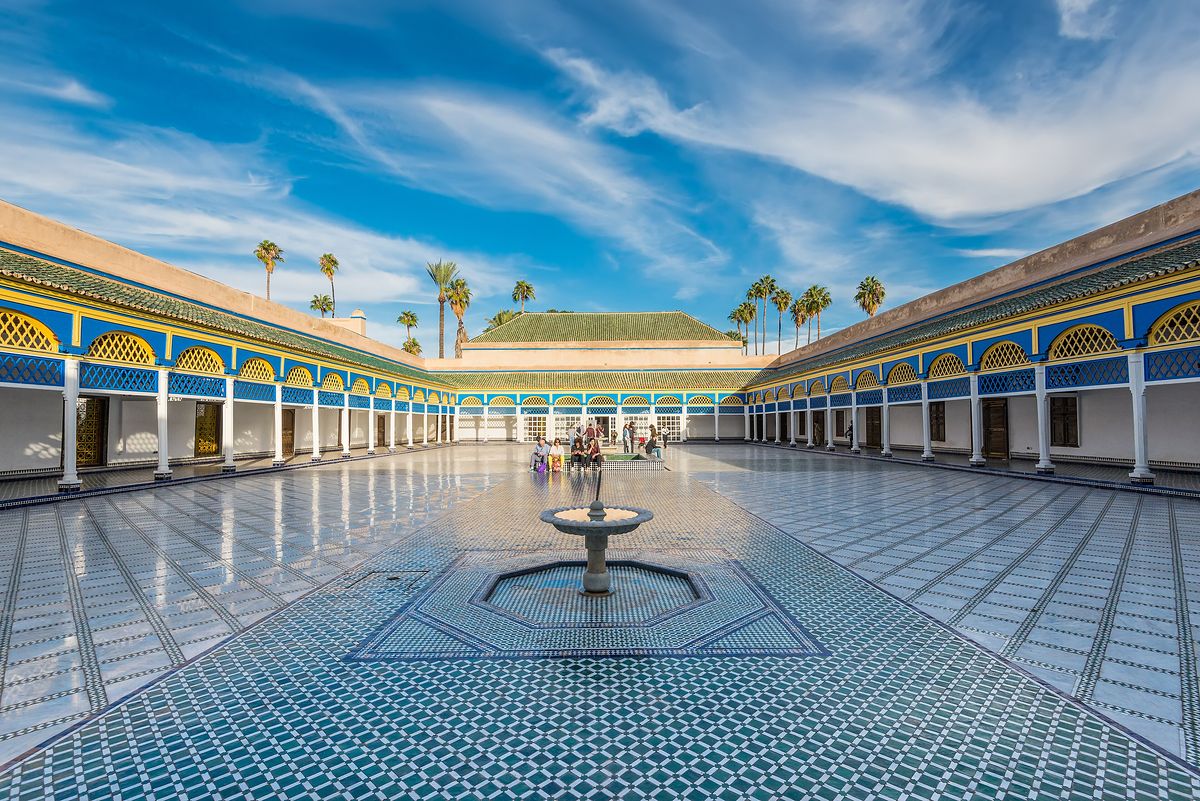
The quiet places are worth seeking out precisely because they are quiet. The Ben Youssef Madrasa, where students once lived in tiny rooms around a single courtyard, is all carved cedar, stucco and tile around a long, still pool. At the Bahia Palace we sat at the edge of the great marble courtyard while a school group ran laps of it, and I decided that in another life I would like to own a single square metre of that tilework.
The square at dusk
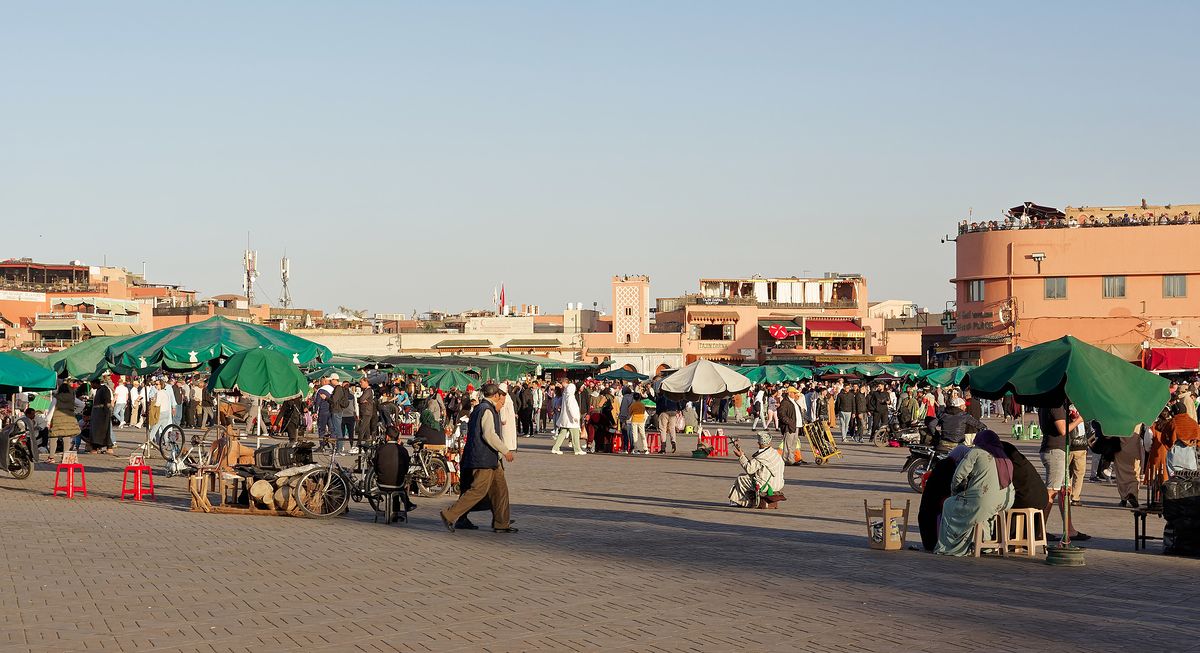
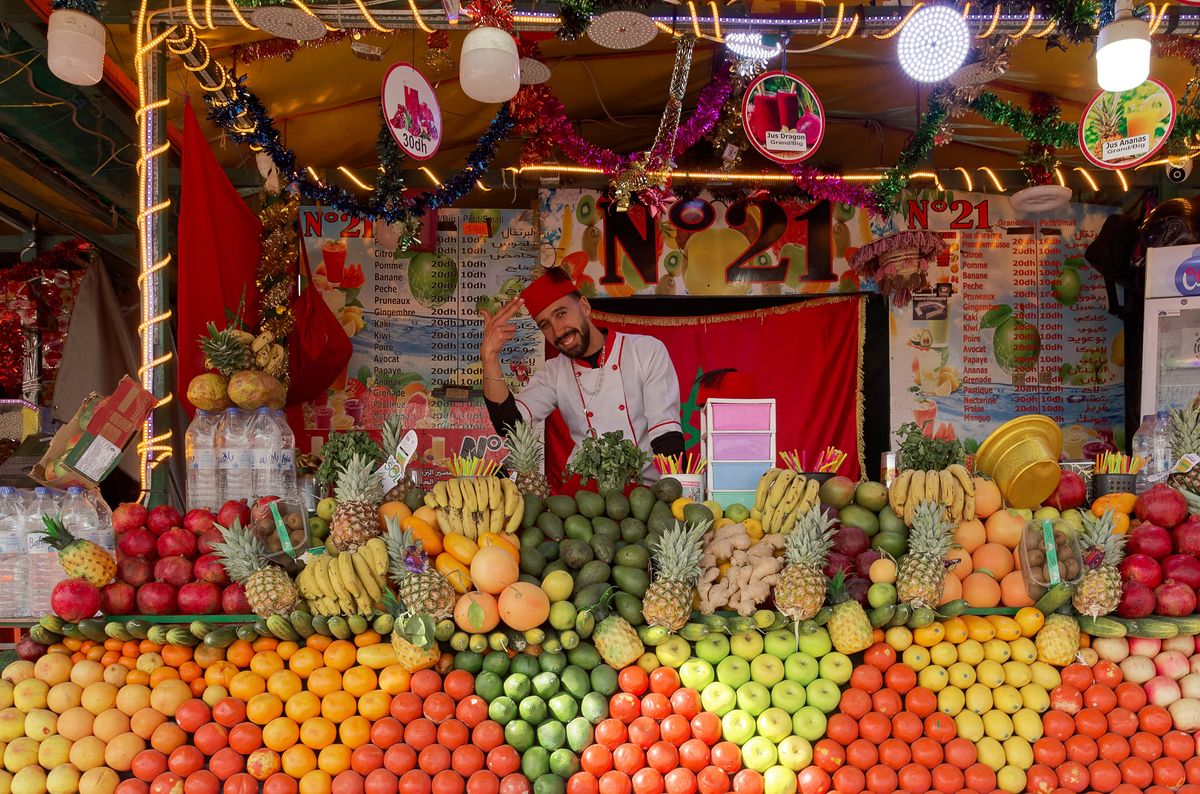
Every evening we ended up in Jemaa el-Fna, because everyone does. In the late afternoon the juice stalls are stacked like jewellers’ windows, and as the light goes the food stalls roll in, the smoke rises, and the square fills with musicians, storytellers and men selling things I didn’t know could be sold. It is loud and a little exhausting, and I would go back tomorrow.
Over the Tizi n’Tichka
On the fifth morning we collected a small hire car and drove south-east over the mountains. The road climbs through walnut trees and terraced barley, past villages built from the same red earth as the slopes they sit on, then winds up to the Tizi n’Tichka pass in a long series of hairpins. There were roadworks, lorries grinding up in first gear, and a fossil seller at every lay-by with geodes cracked open on a blanket. Tom drove. I held the map and, at intervals, my breath.
On the far side the country changes completely. The green drains out of it, the light hardens, and the valleys open into stony desert with ribbons of palms along the rivers.
Aït Benhaddou
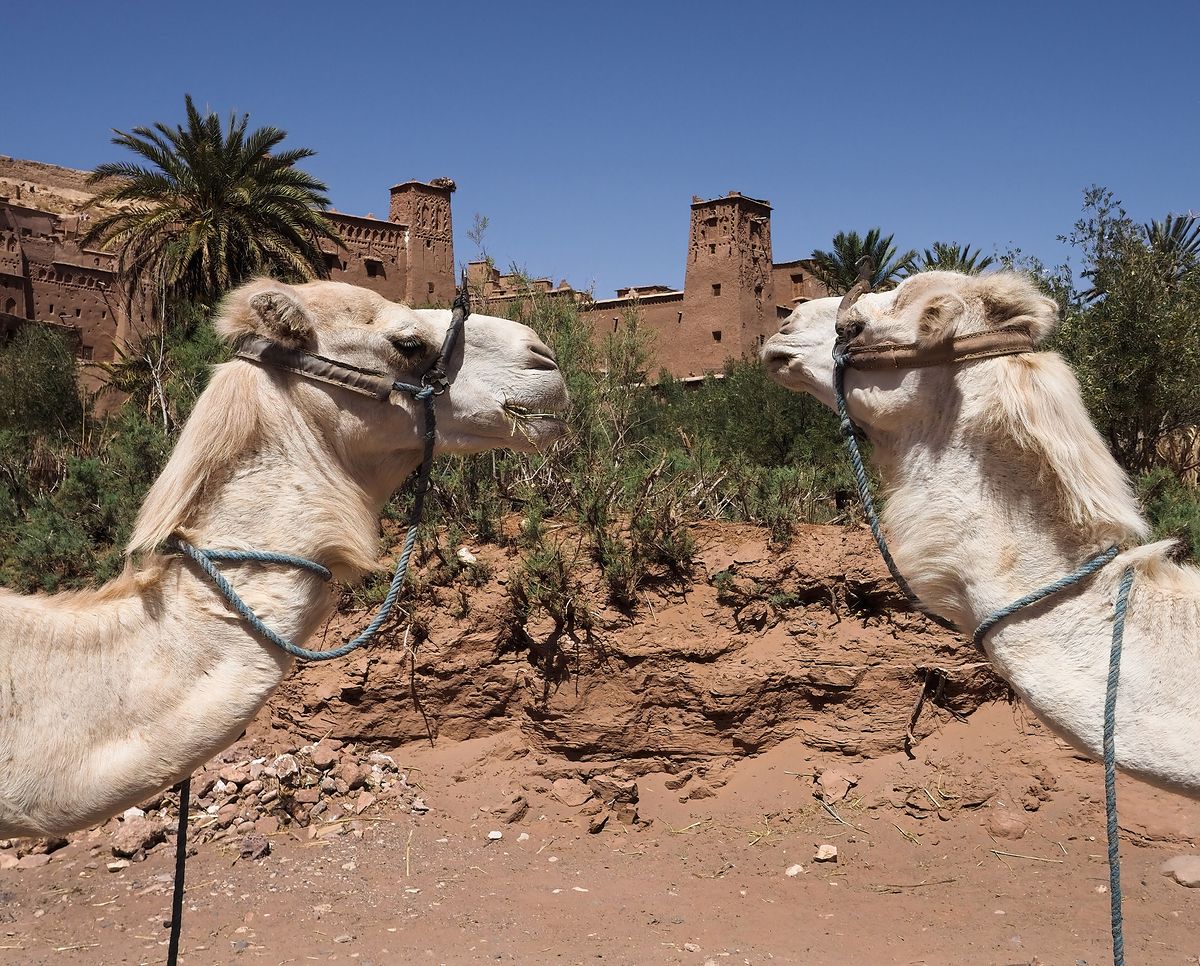
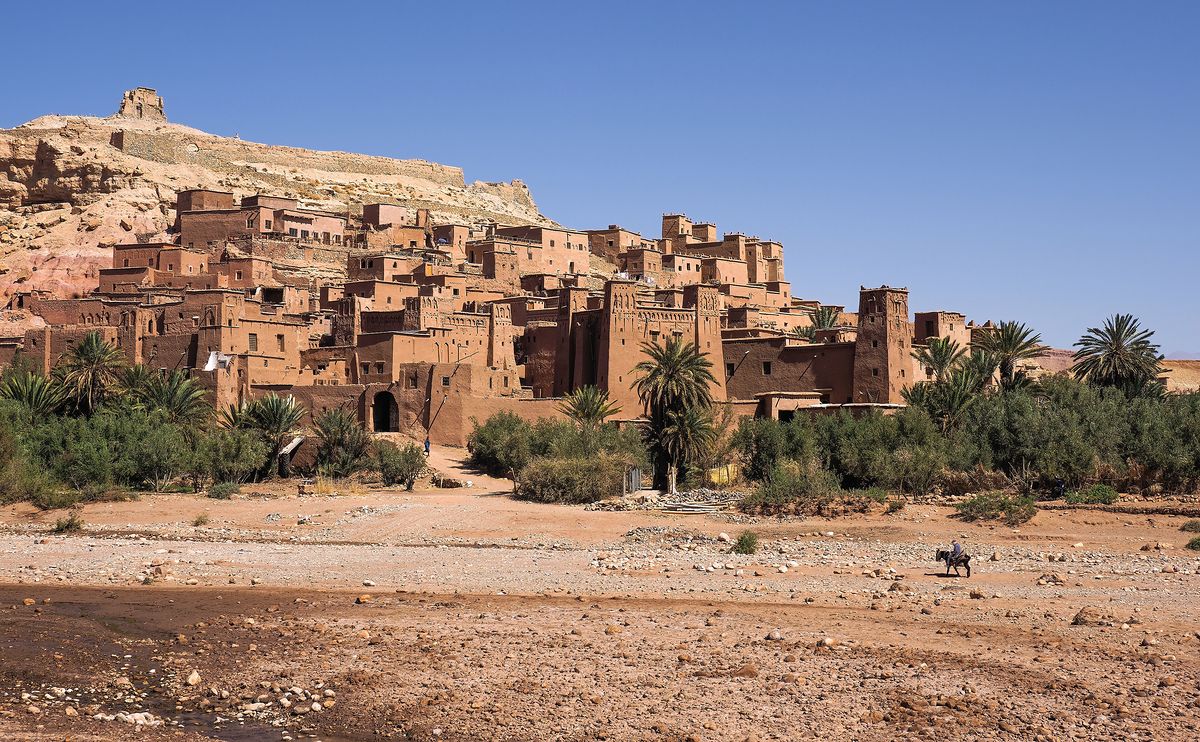
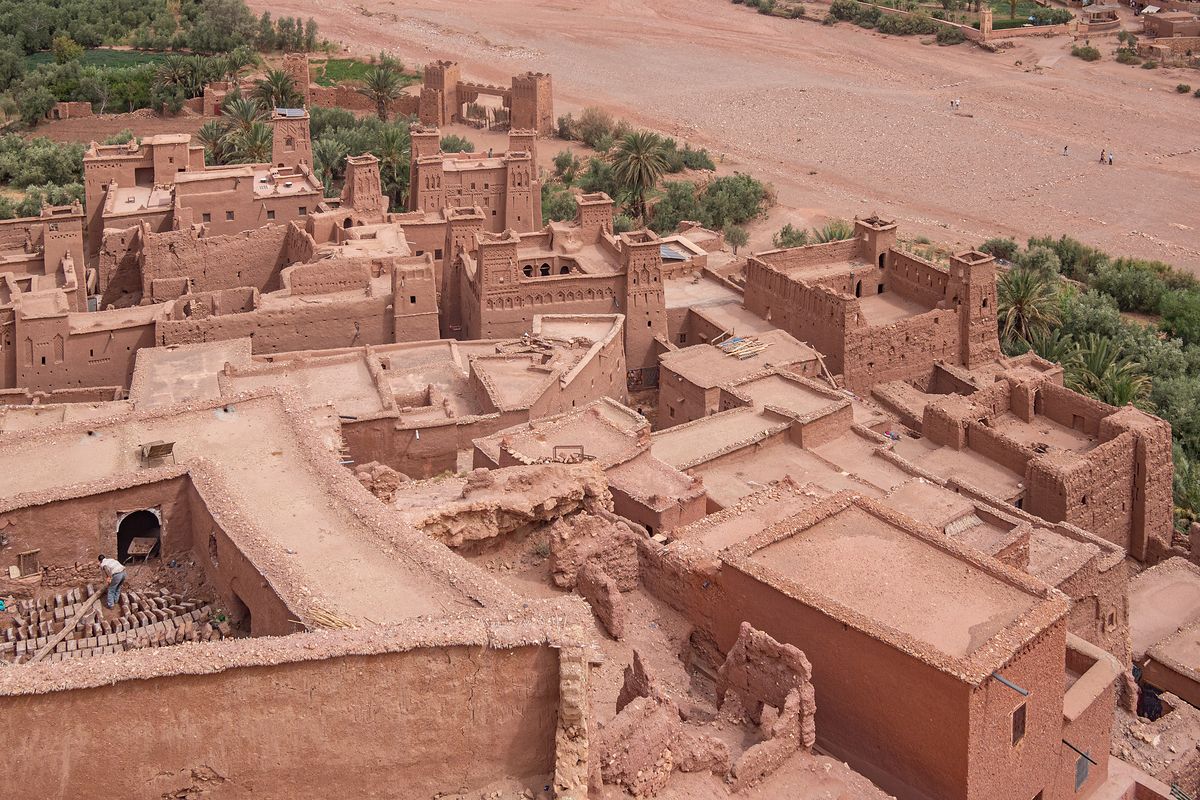
We reached Aït Benhaddou in the late afternoon. The ksar, a fortified village of earth and straw on a hill above the Ounila riverbed, is a UNESCO World Heritage Site and has appeared in more films than I can name, which makes it feel oddly familiar before you have even crossed the river.
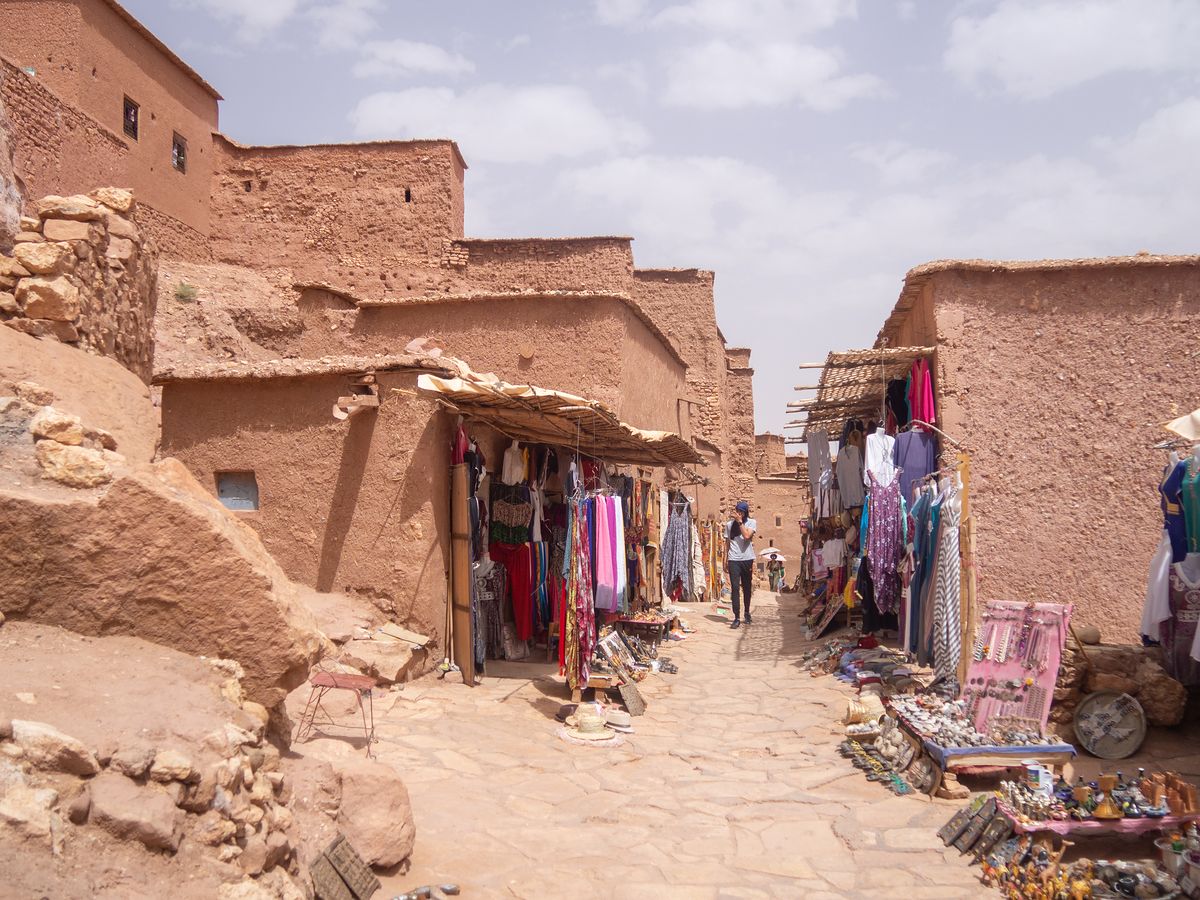
Most of its families moved long ago to the newer village on the other bank, and the lanes are now hung with rugs and scarves for sale, but a few households still live inside the walls. We climbed to the old granary at the top as the sun went down, and the whole hill turned the colour of a terracotta pot.
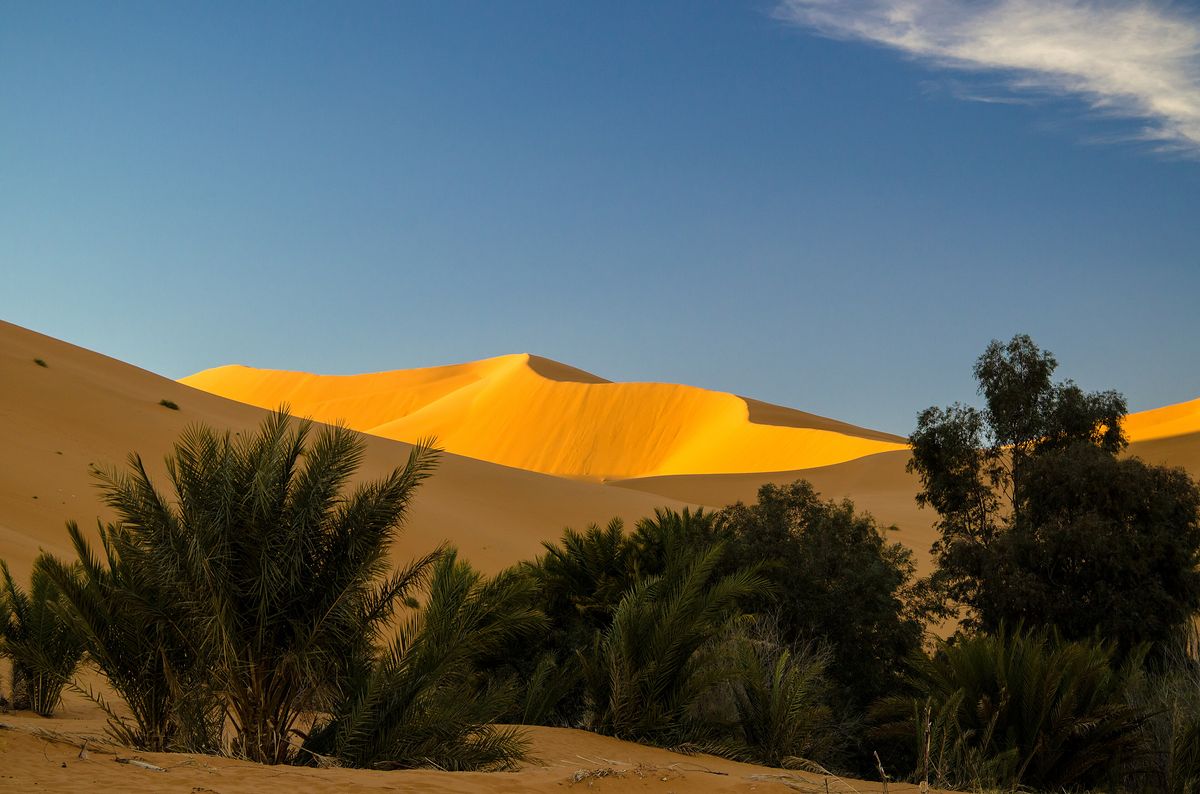
Below the walls, two camels stood nose to nose, apparently in the middle of an argument. We left them to it. In the morning the road ran east, towards the sand.