Lisbon, Up and Down
Funiculars, tiled façades and evening light on the Tagus: a week of climbing Lisbon’s hills, and the first entry in this journal.
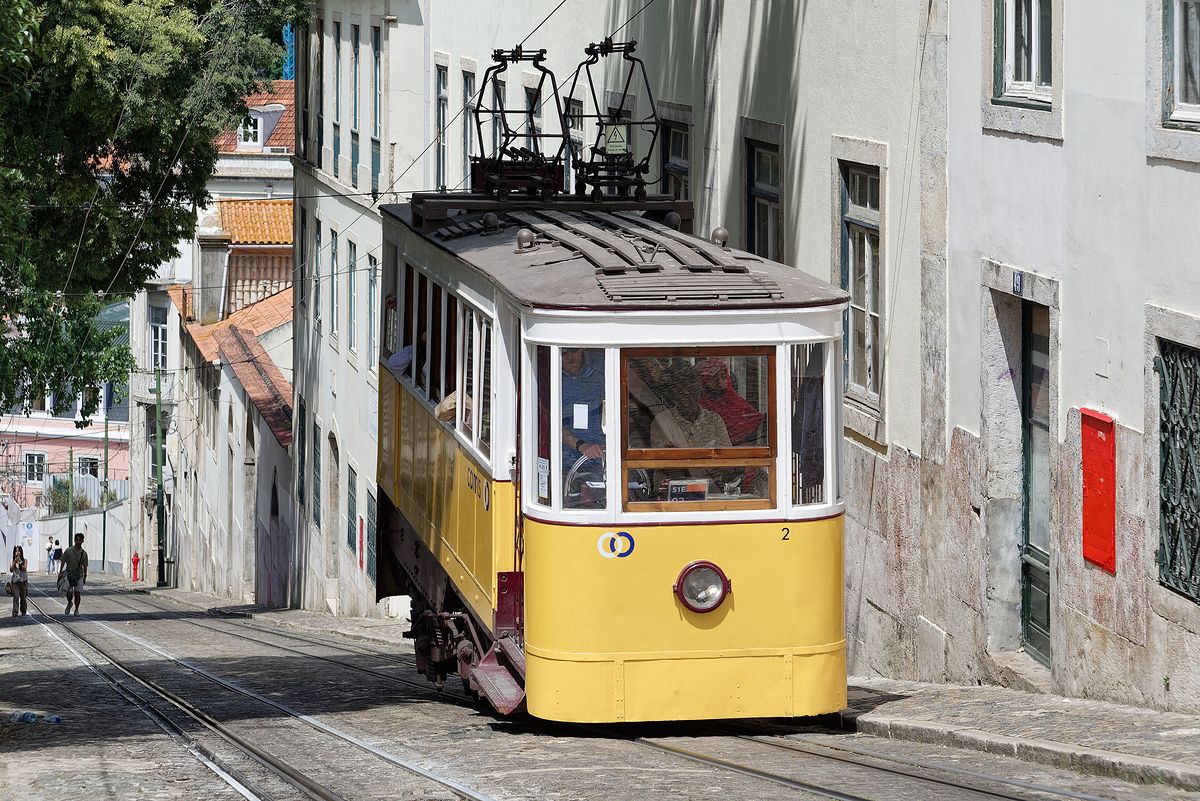
Every journal has to start somewhere, and this one starts on a staircase in Alfama, about halfway up, with Tom stopped beside me pretending to admire a doorway while he gets his breath back. We spent a week in Lisbon at the end of October, and if I had to sum up the city in one physical sensation, it would be calves.
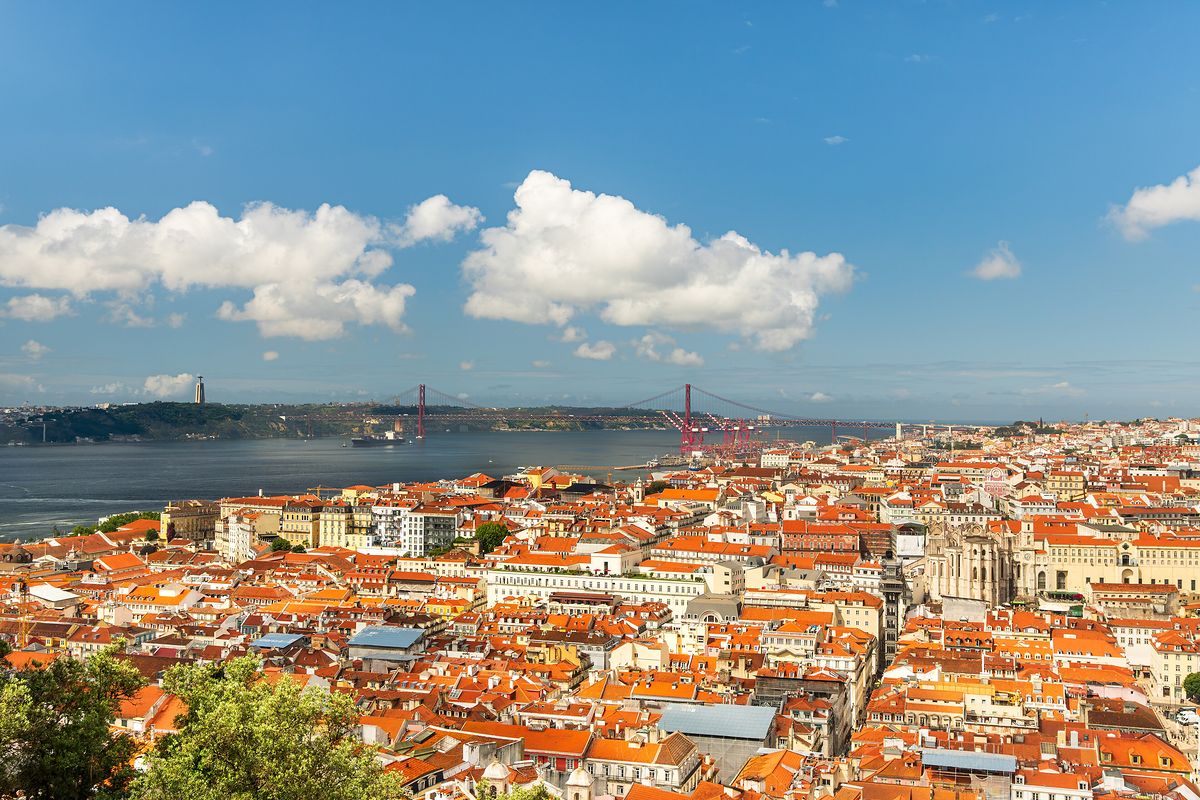
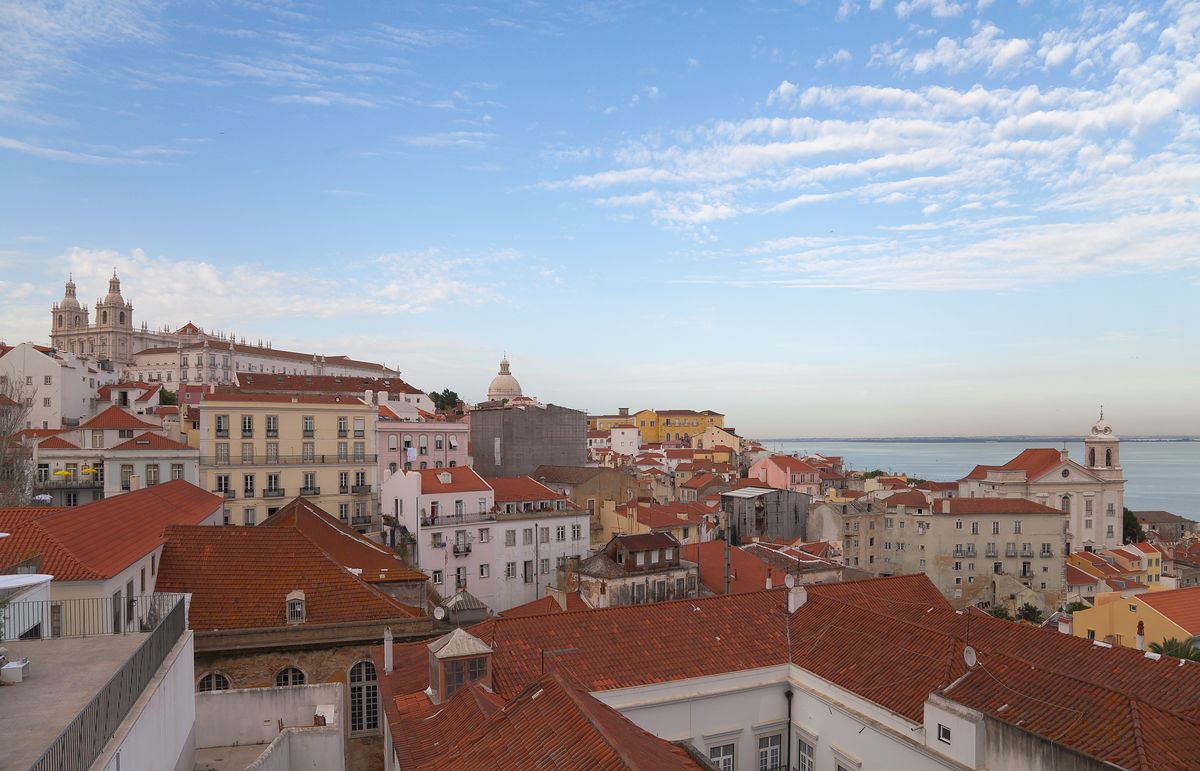
Lisbon is built on hills, and its reward for climbing them is the miradouro: a terrace at the top, usually with a bench, often with a kiosk, always with a view. From the castle the roofs tumble towards the Tagus in every shade of terracotta, and the 25 de Abril bridge sits on the horizon like a red pencil line. From Santa Luzia, a few minutes downhill, you look across Alfama to the white towers of São Vicente de Fora and the river widening beyond. We went back to Santa Luzia three evenings running. I don’t regret any of them.
The easy way up
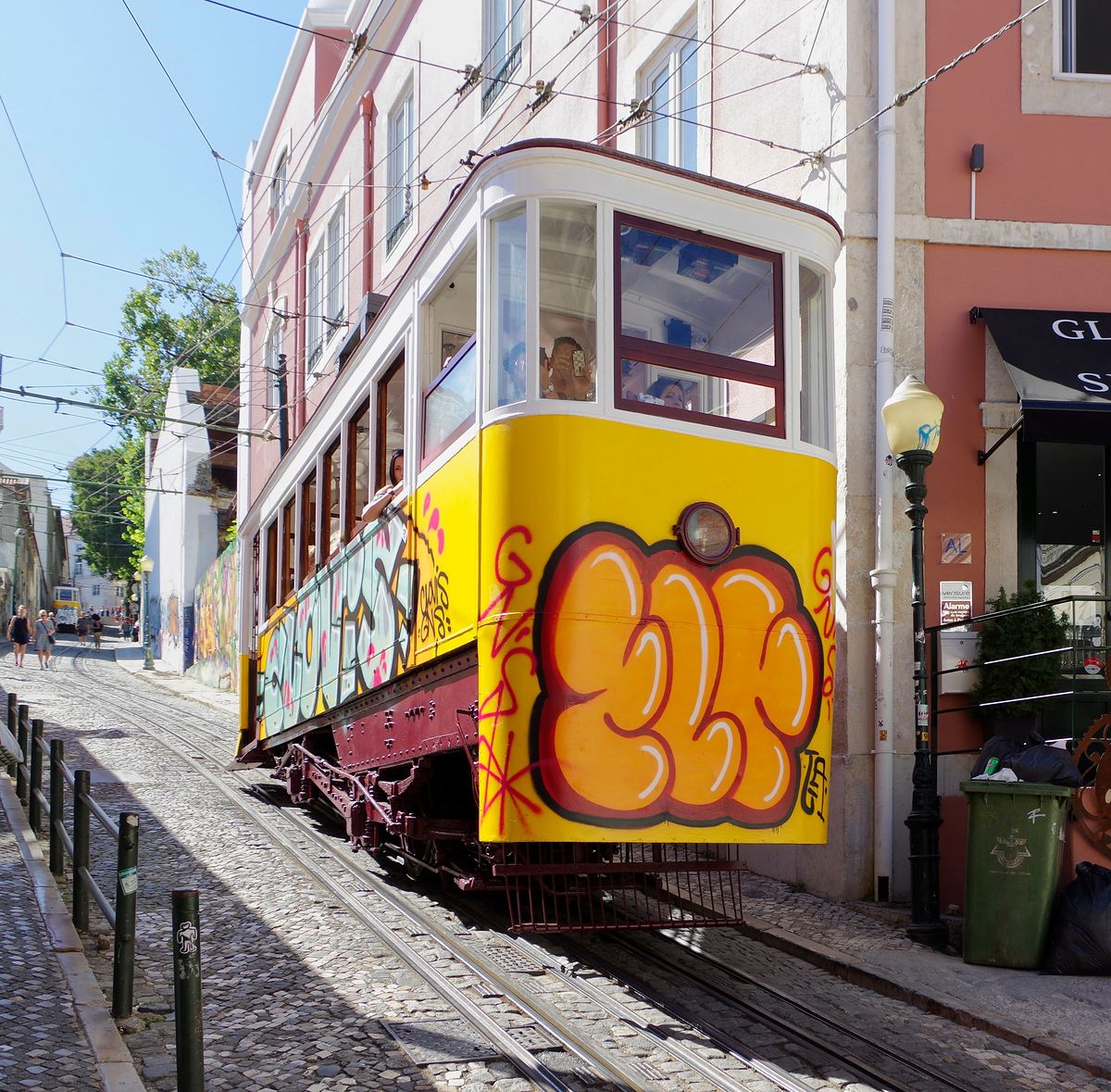
Not every climb has to be done on foot, which is the city’s great kindness. The Glória funicular grinds up from Restauradores to the edge of Bairro Alto, two yellow cars balancing each other on the slope, one of them usually covered in graffiti. It takes a few minutes. Walking the same street took Tom rather longer, out of principle.
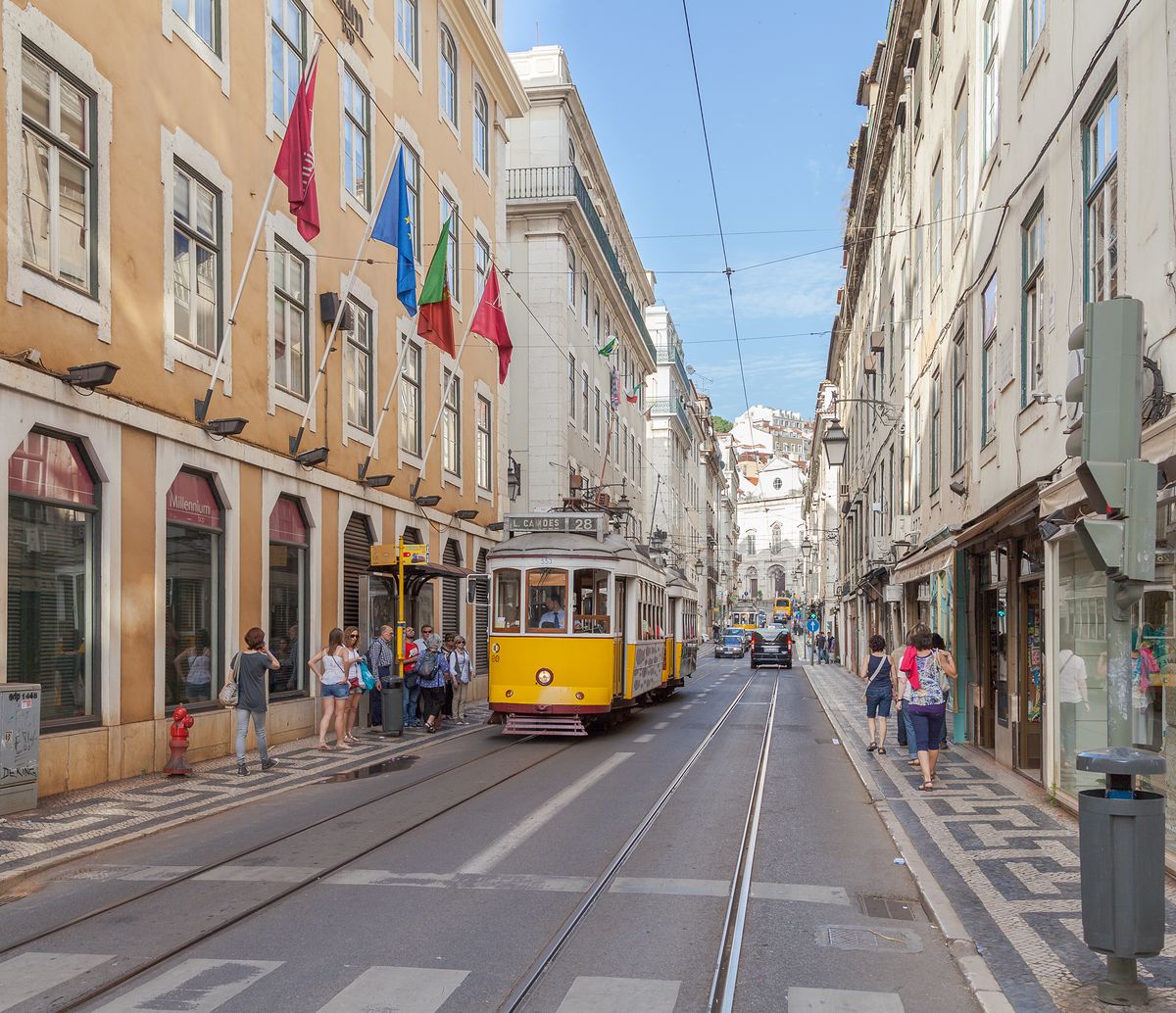
The trams are the other option, and they are as good as everyone says, though the famous routes fill up early. We had more luck on quieter lines through the Baixa, where the cars rattle along streets laid out dead straight between the hills when the district was rebuilt after the 1755 earthquake.
Tiles, cats, washing
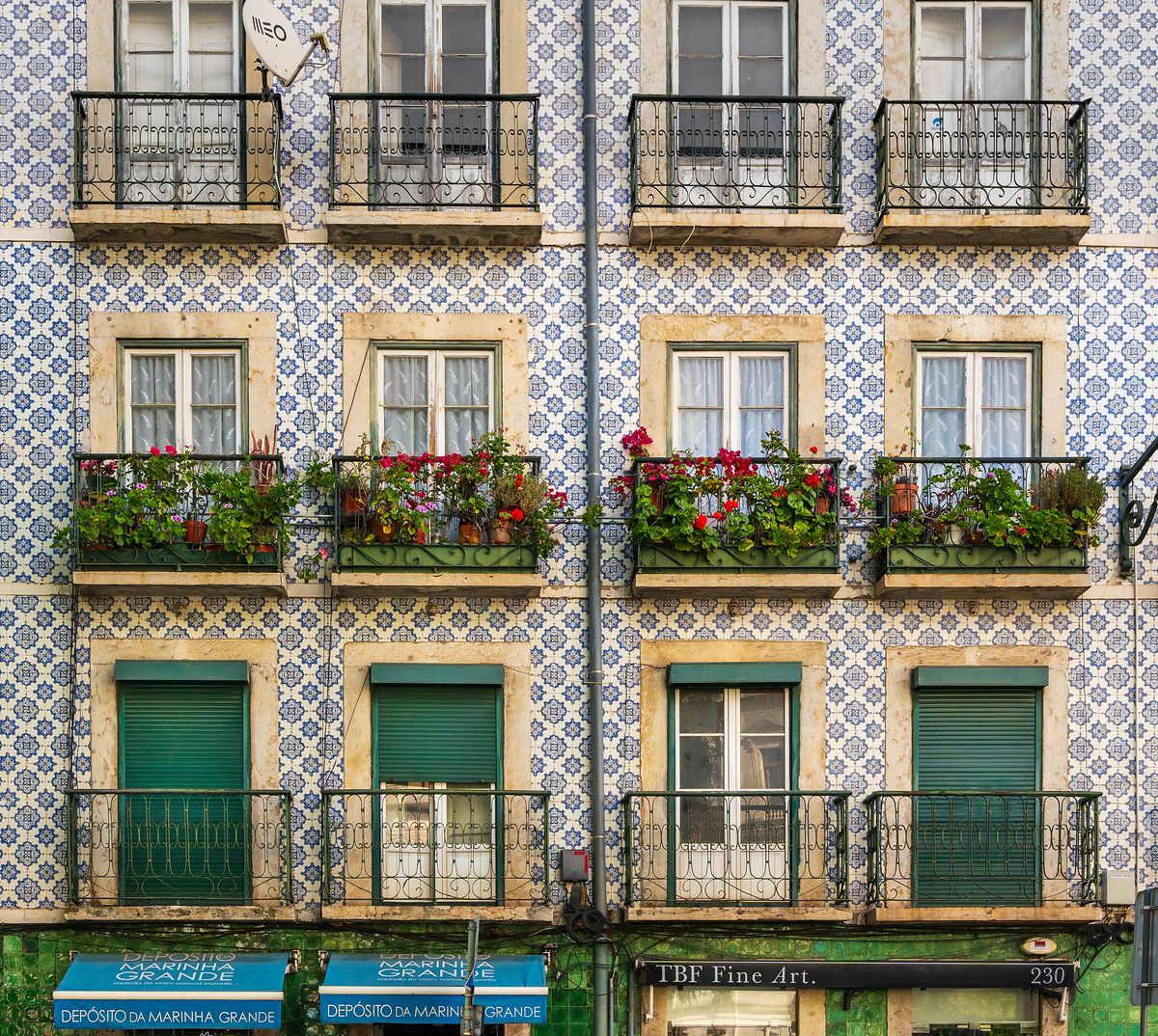
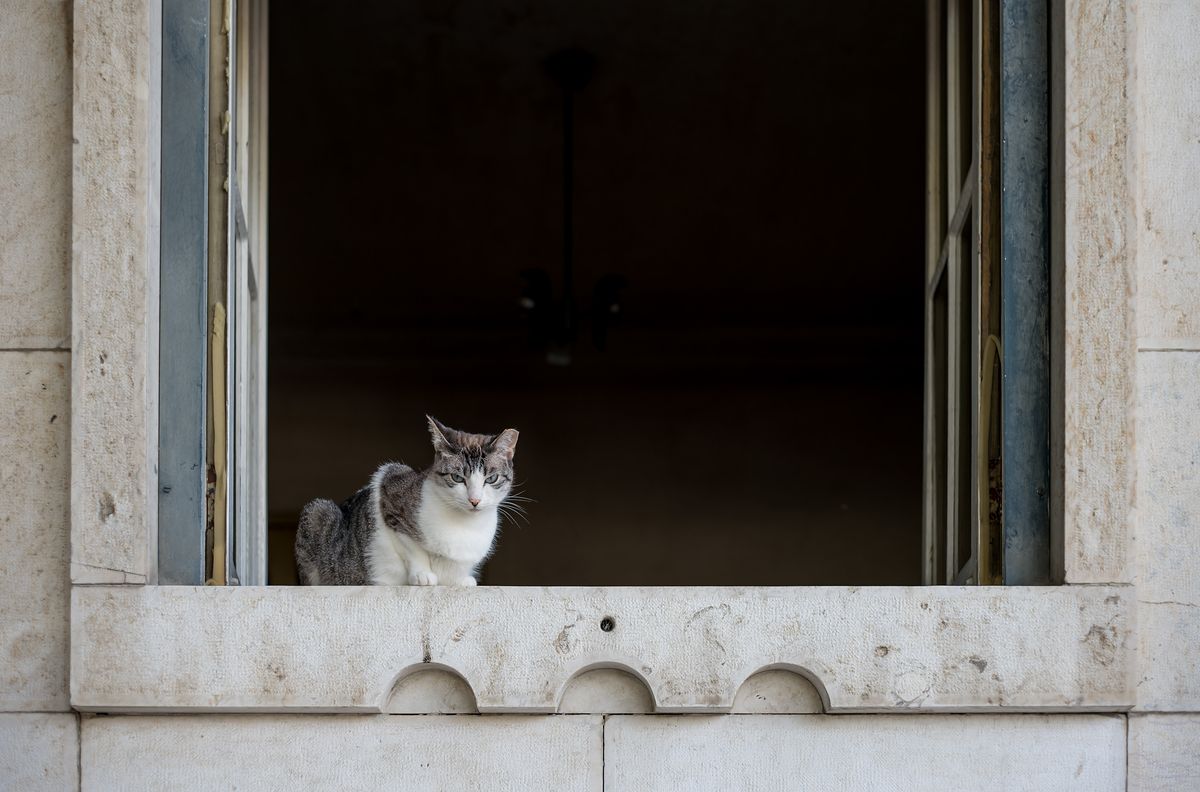
What I’ll remember most is the texture at street level. Whole façades are clad in azulejos, blue-and-white patterns that change with every hour of light; on Rua de São Bento we stood across the road from one building for longer than was reasonable, admiring the geraniums against the tiles. Washing hangs out over the lanes. Cats sit in windows with the air of landlords.
Down to the river
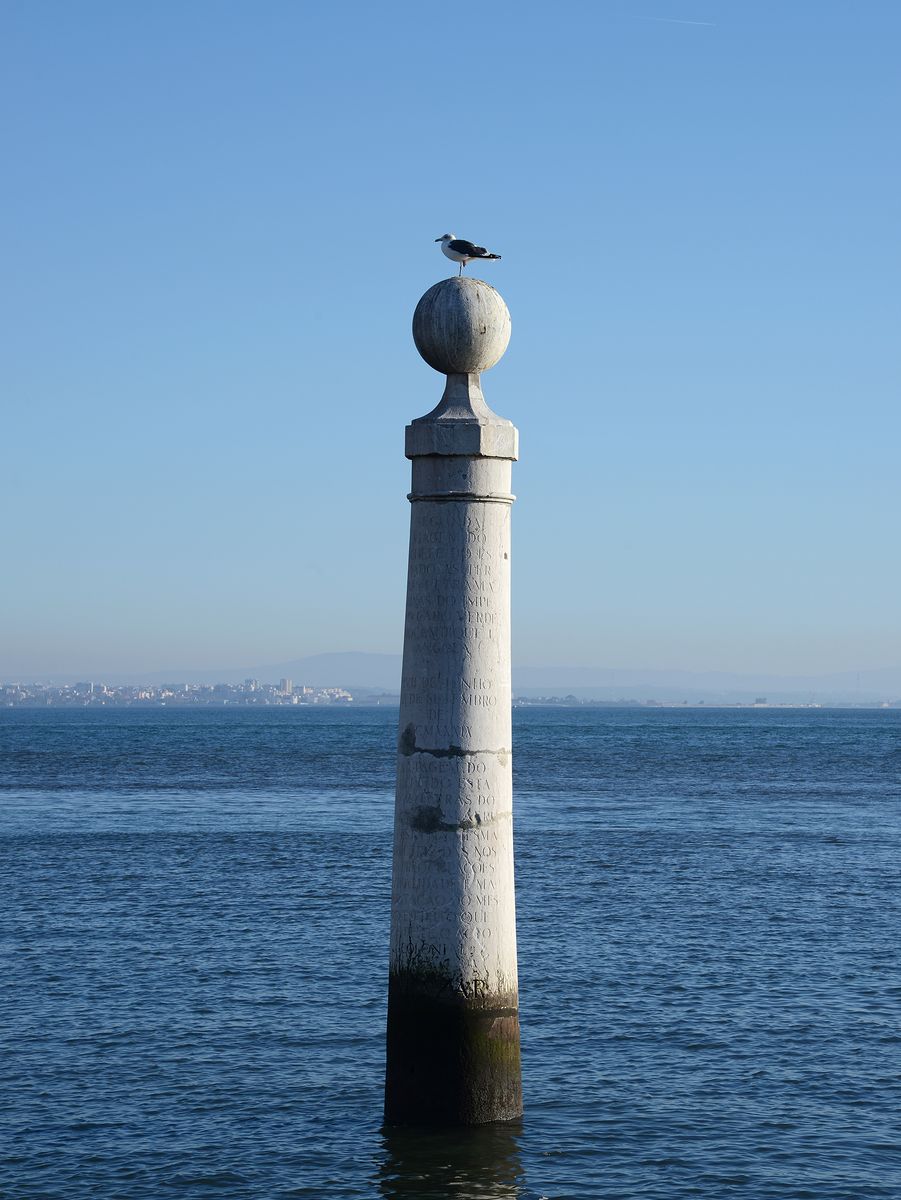
All those hills end at the water, and the river is where Lisbon’s light comes from. The Tagus is wide and pale here, and on a clear day the sun bounces off it into the streets, so even narrow lanes feel bright. At the Cais das Colunas two stone pillars stand in the water at the foot of Praça do Comércio, and a gull had claimed the top of one as if it were a pulpit.
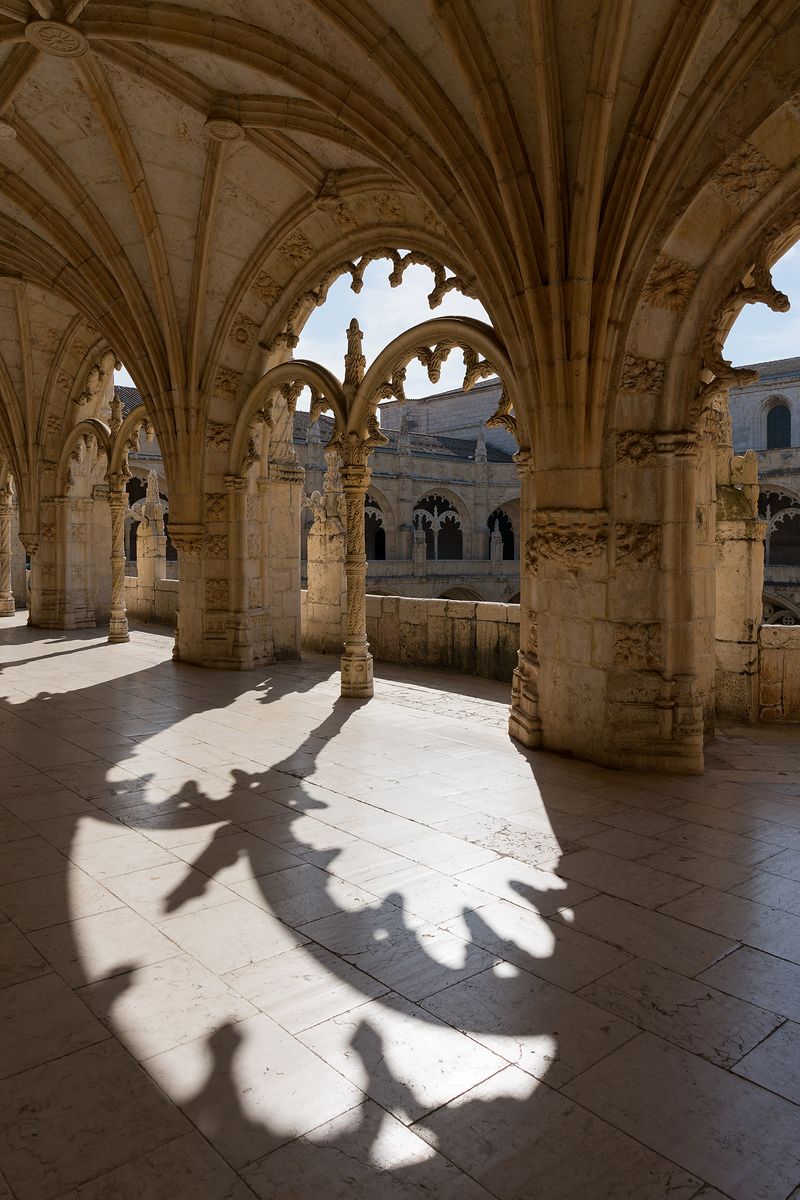
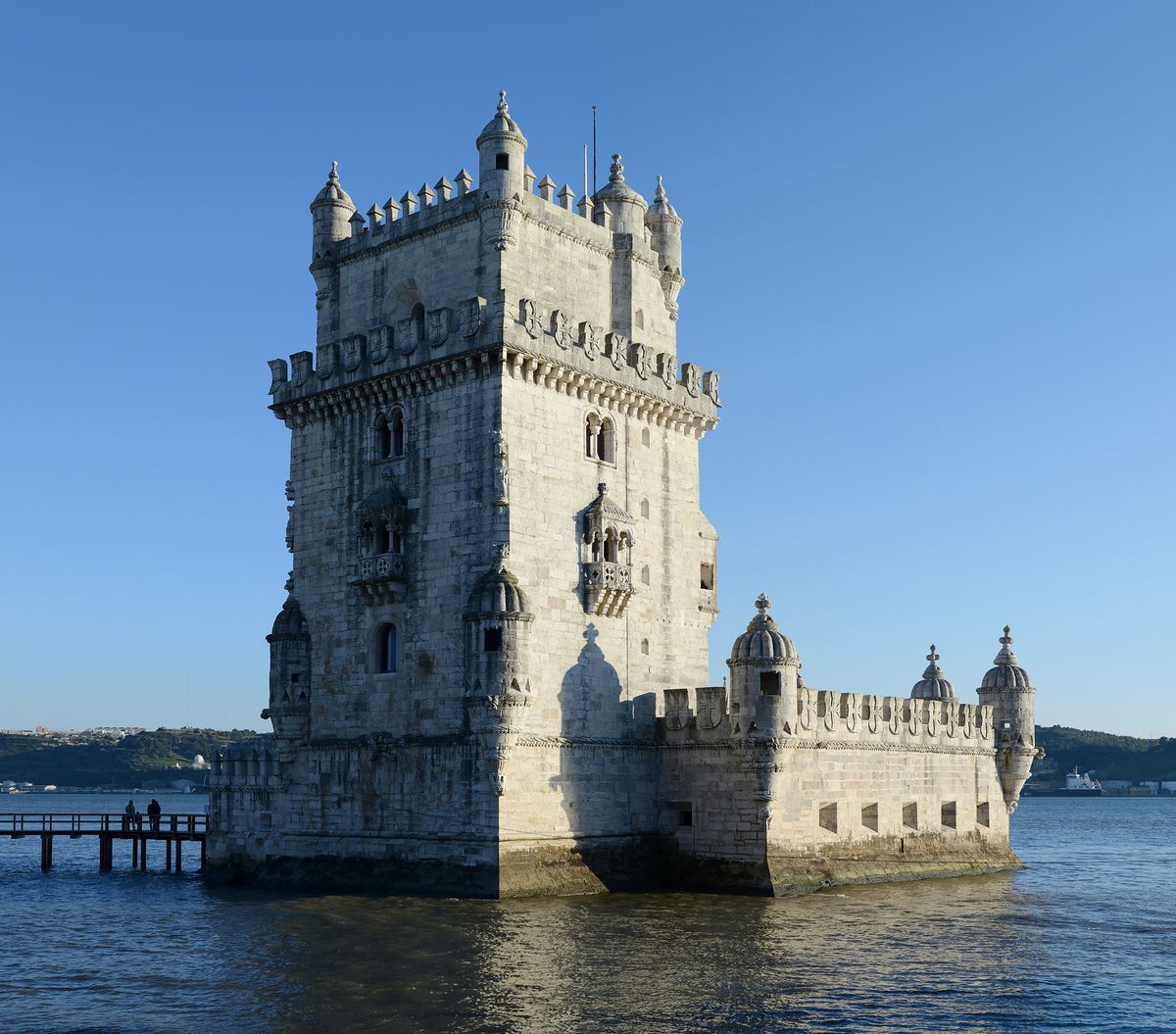
We took the train out to Belém one afternoon, for the tower and the monastery, and found the crowds exactly where the guidebooks said they would be. The cloister at Jerónimos was worth the queue: stone carved so finely it looks like lace, with the low sun throwing the shapes of the arches across the floor.
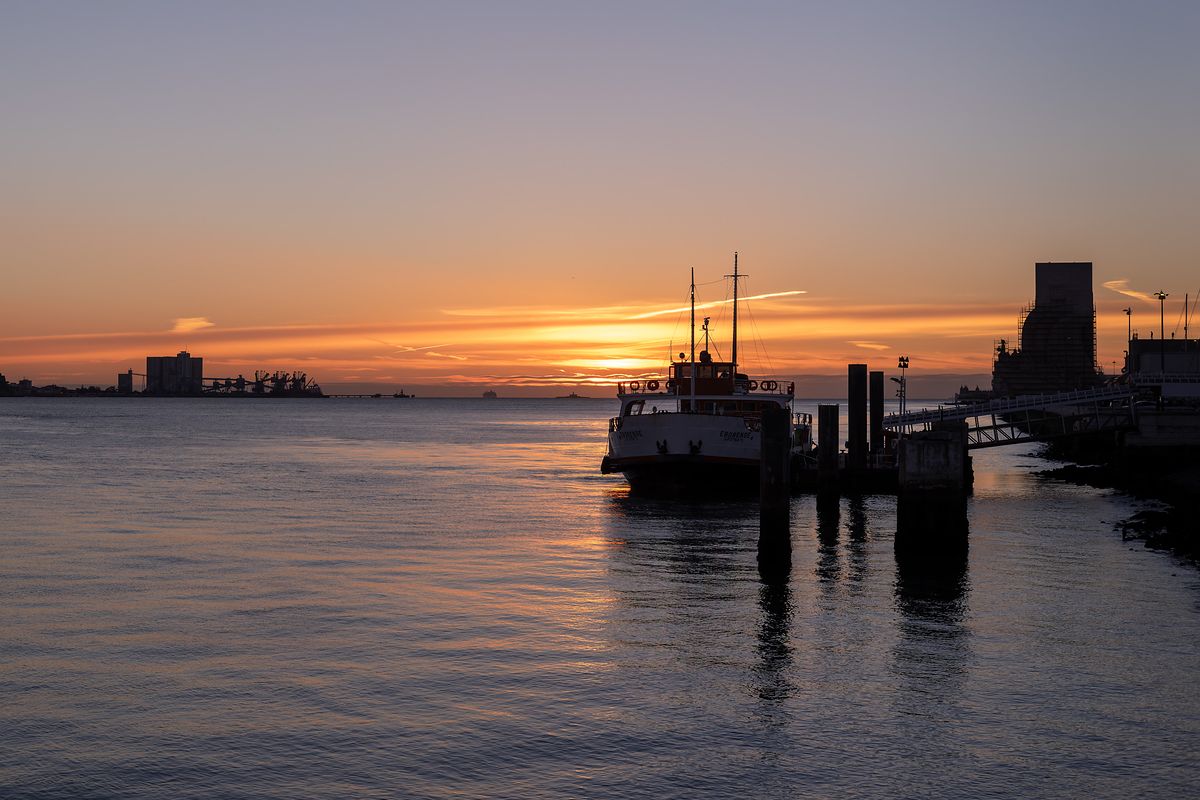
We stayed by the river until the light went, watching ferries come and go from the river station while the water turned from silver to orange to almost black. Slow days, sore legs and a city that keeps making you look up: that’s where this journal begins.