Up Before the Balloons
Cold April dawns in Cappadocia: balloons rising over Uçhisar, then long walks through the valleys of rock chimneys while everyone else went back to bed.
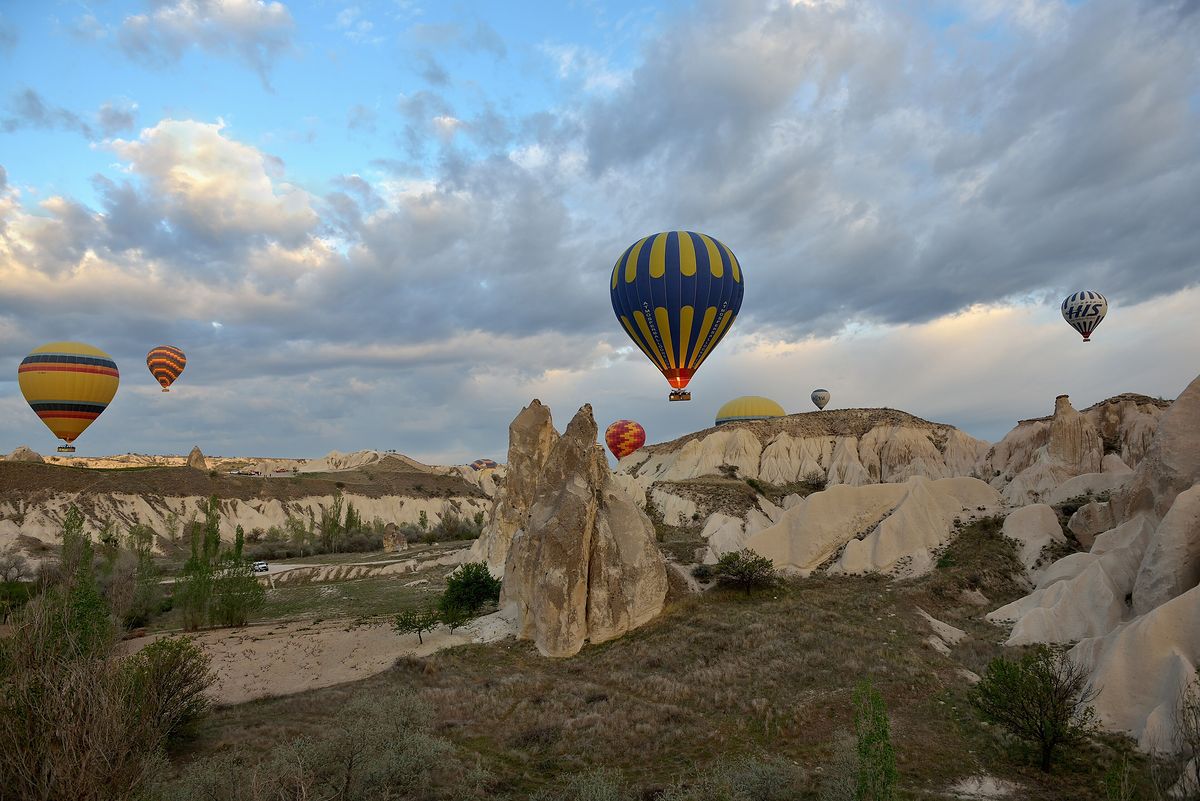
For a week in early April our alarm went off at a quarter past five. Clara set it, Clara heard it, and Clara stood over me with a cup of tea until I agreed that getting up had been my idea. Cappadocia rewards this kind of bullying. The light is best in the first hour, the valleys are empty, and on calm mornings the sky fills with balloons.
We never went up in one. Clara has firm views about standing in a basket over a long drop, and I discovered I was happy to share them. Watching from the ground turns out to be a pastime of its own. We stood on the ridge outside Uçhisar in the half-dark with our hands round paper cups, listening to the burners roar one after another down on the valley floor. Then the first envelopes rose above the rocks and kept on rising, dozens of them, drifting slowly over the valleys as the sun cleared the hills.
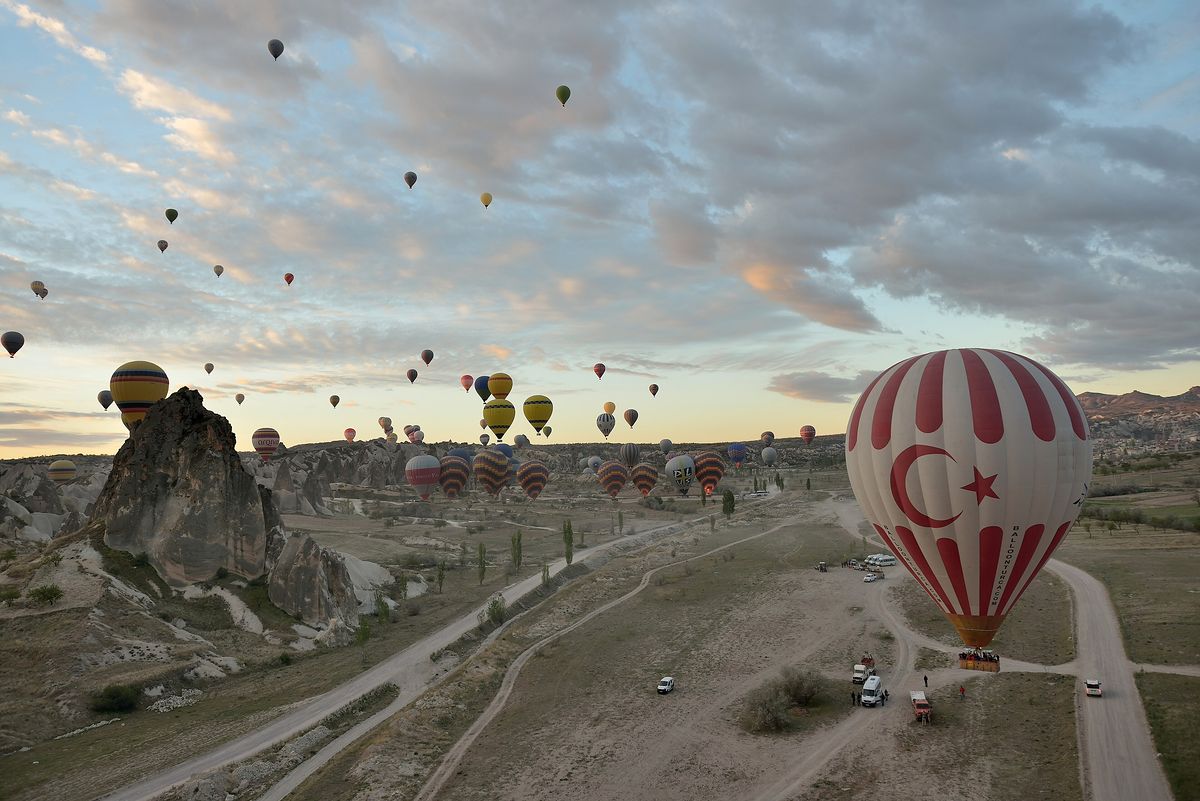
Not every morning works. Twice the wind was wrong, the flights were called off, and the ridge was crowded with people looking hopefully at an empty sky. That is the deal, and nobody can promise you otherwise.
Uçhisar and the valleys
Uçhisar itself is a fortress of soft rock riddled with rooms, the highest point for miles, and the village spills down its flanks into a landscape of cones and pinnacles. Many of the chimneys below the castle were hollowed into homes and storerooms long ago, and a few still have wooden doors with padlocks on them.
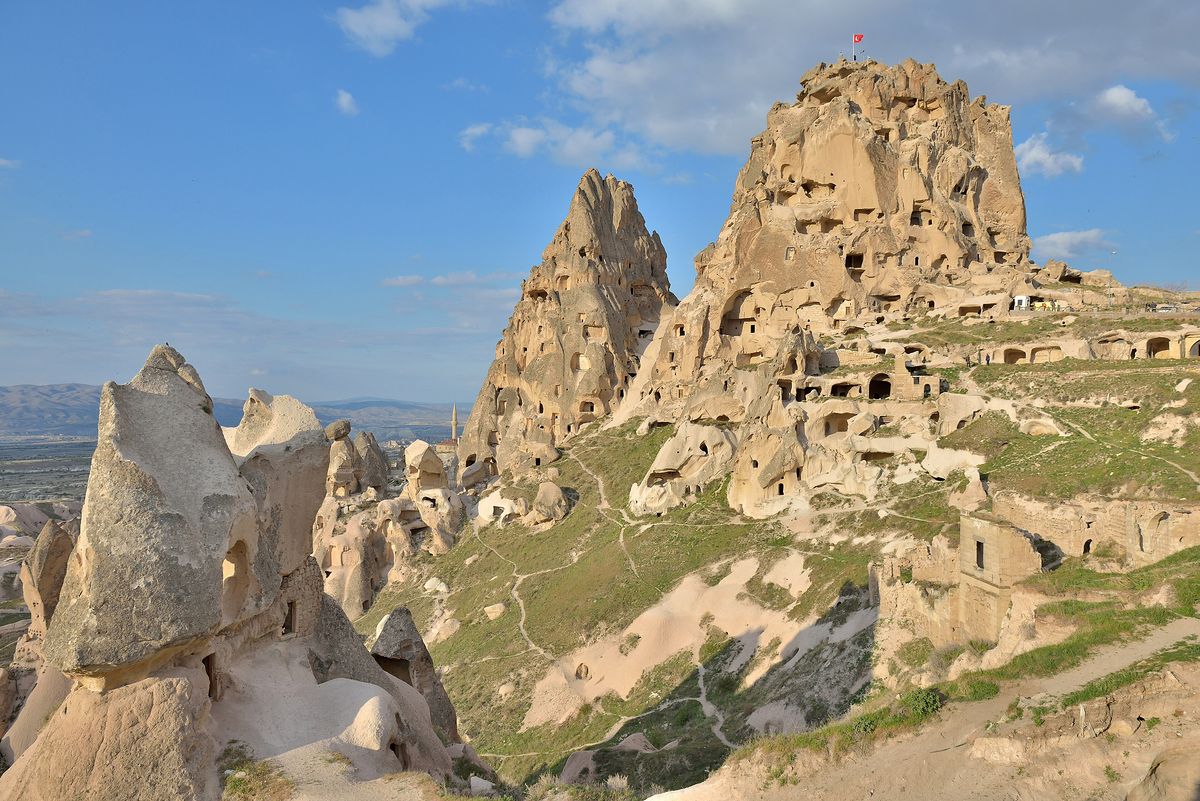
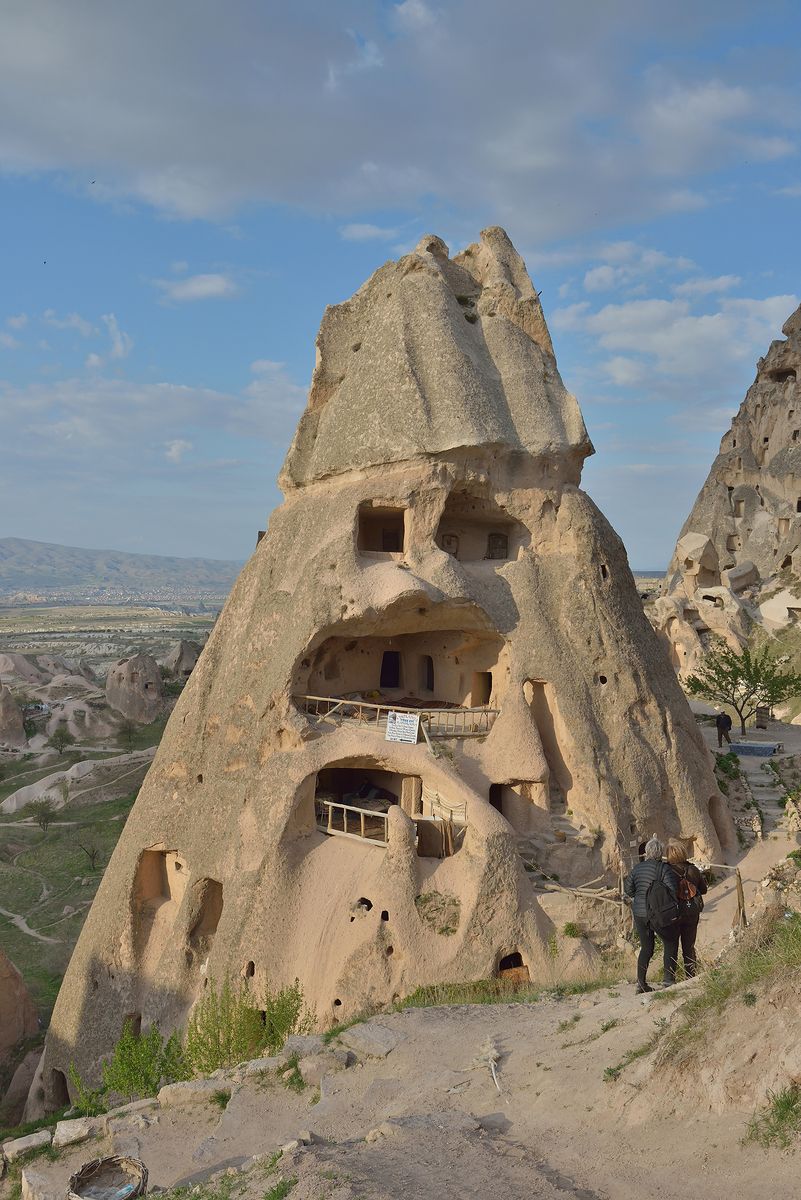
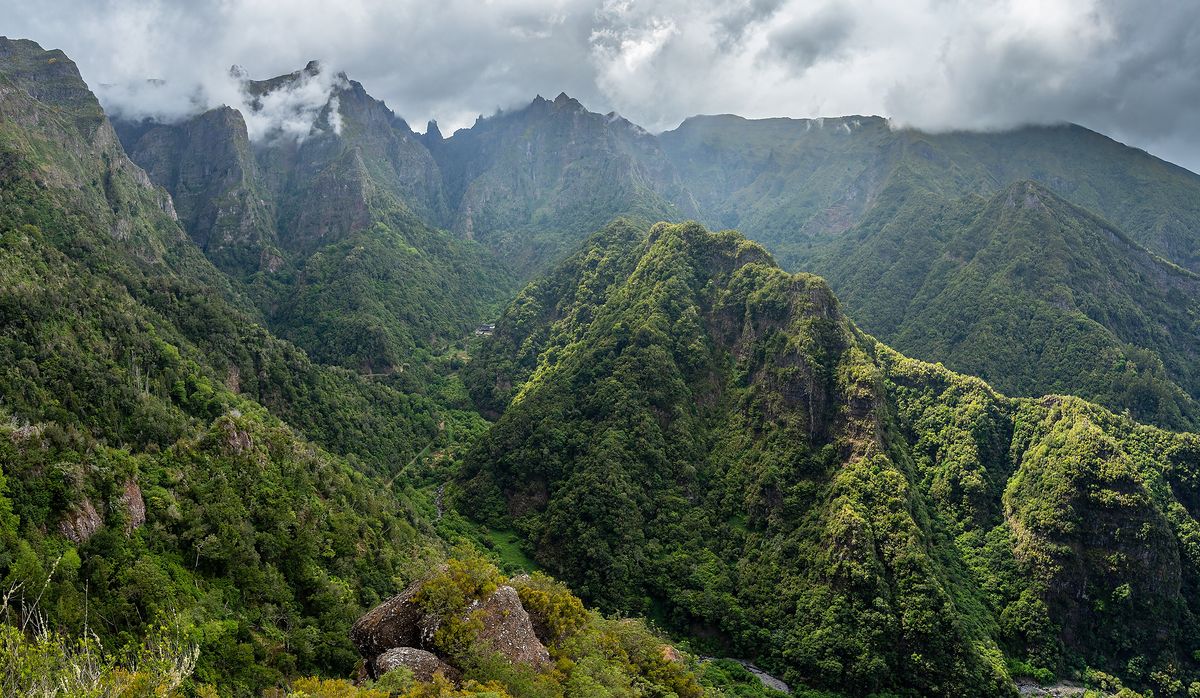
After the balloons came the walking. We went back for breakfast, filled a water bottle and dropped off the edge of the village into the valleys towards Göreme. The paths are mostly unmarked and braided by goats and bicycles, and they lead you through white and pink gullies, past dovecotes cut into the cliffs and small orchards wedged into every patch of flat ground. The poplars were just coming into leaf, the scrub was a soft grey-green, and there was still snow on a far-off mountain.
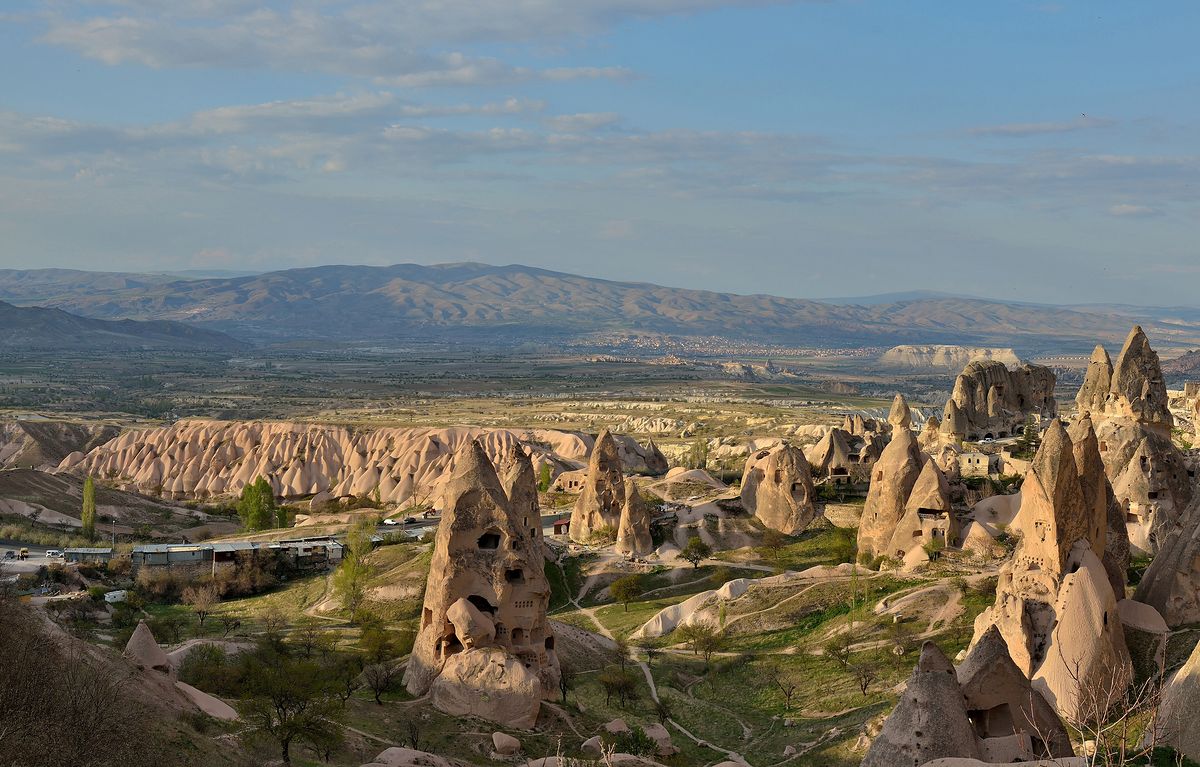
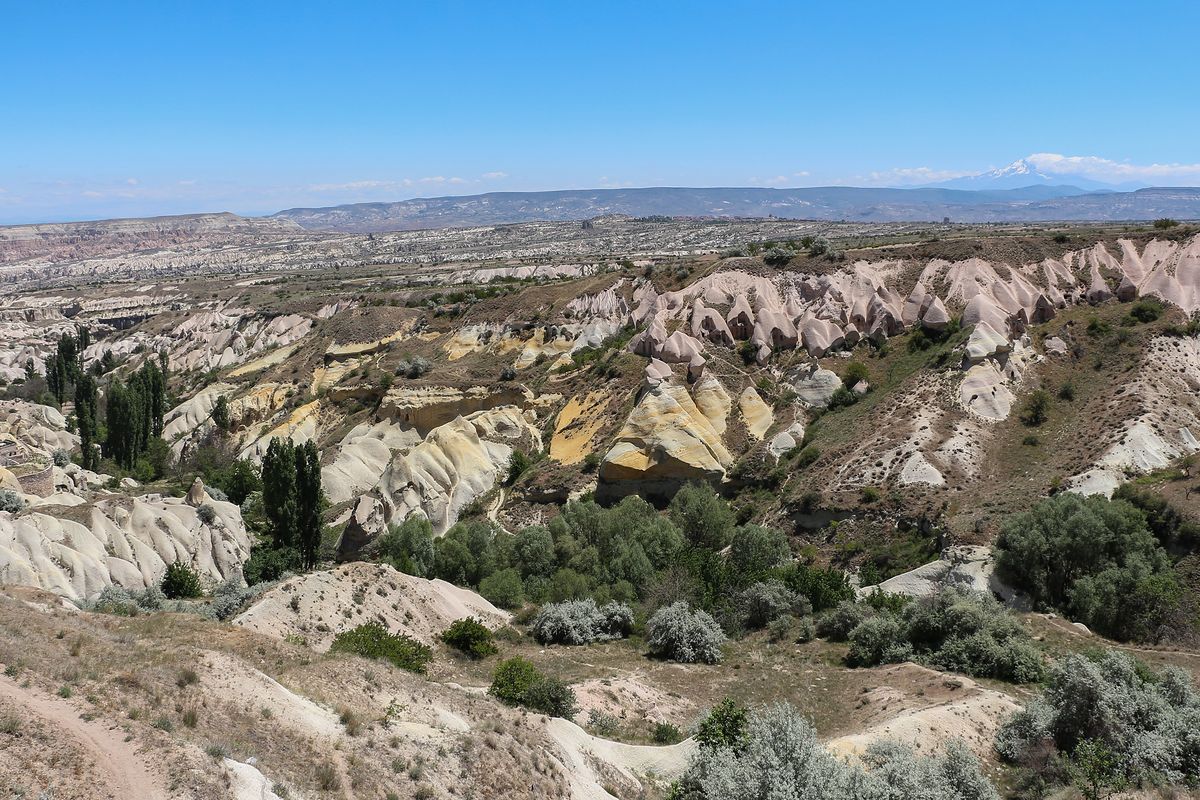
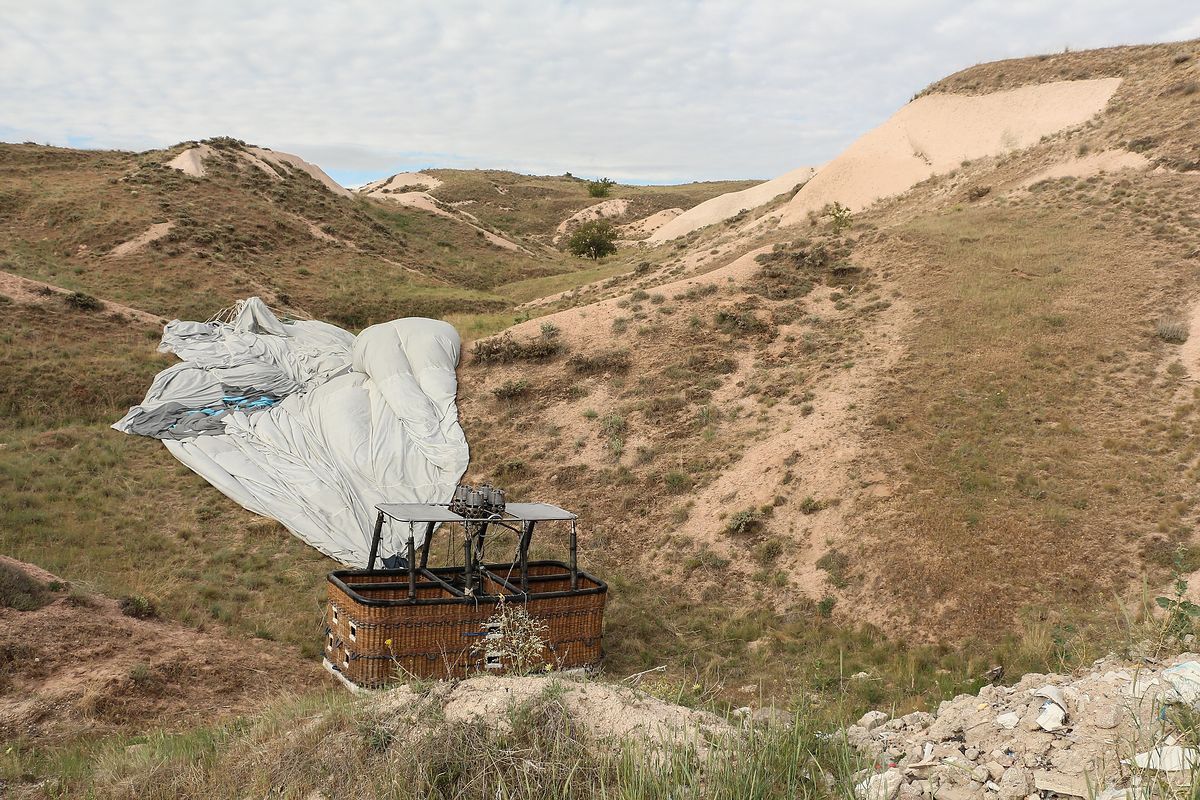
One morning a balloon came down in the valley ahead of us. By the time we reached it, the crew had spread the envelope across the slope like washing and were folding it with the brisk efficiency of people who do this every day of the season. The basket sat in the scrub. Up close it all looked oddly ordinary, which I liked.
Zelve and the chimneys
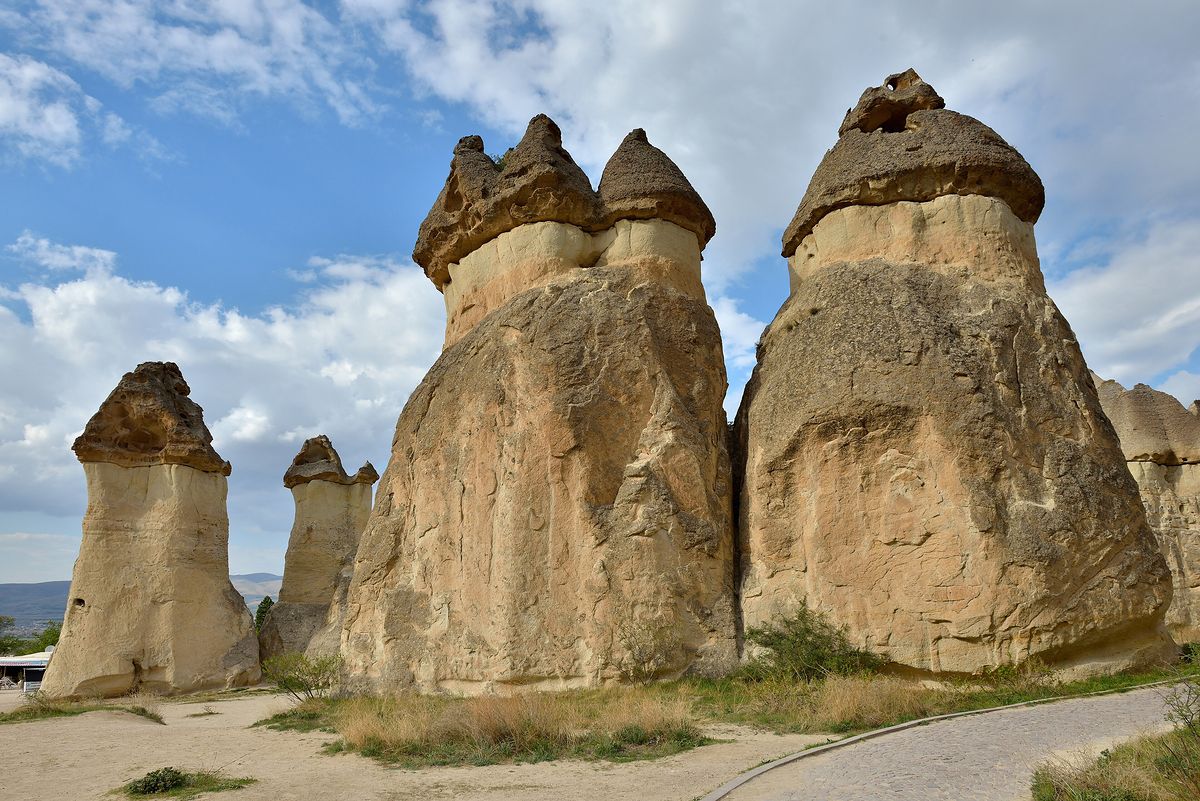
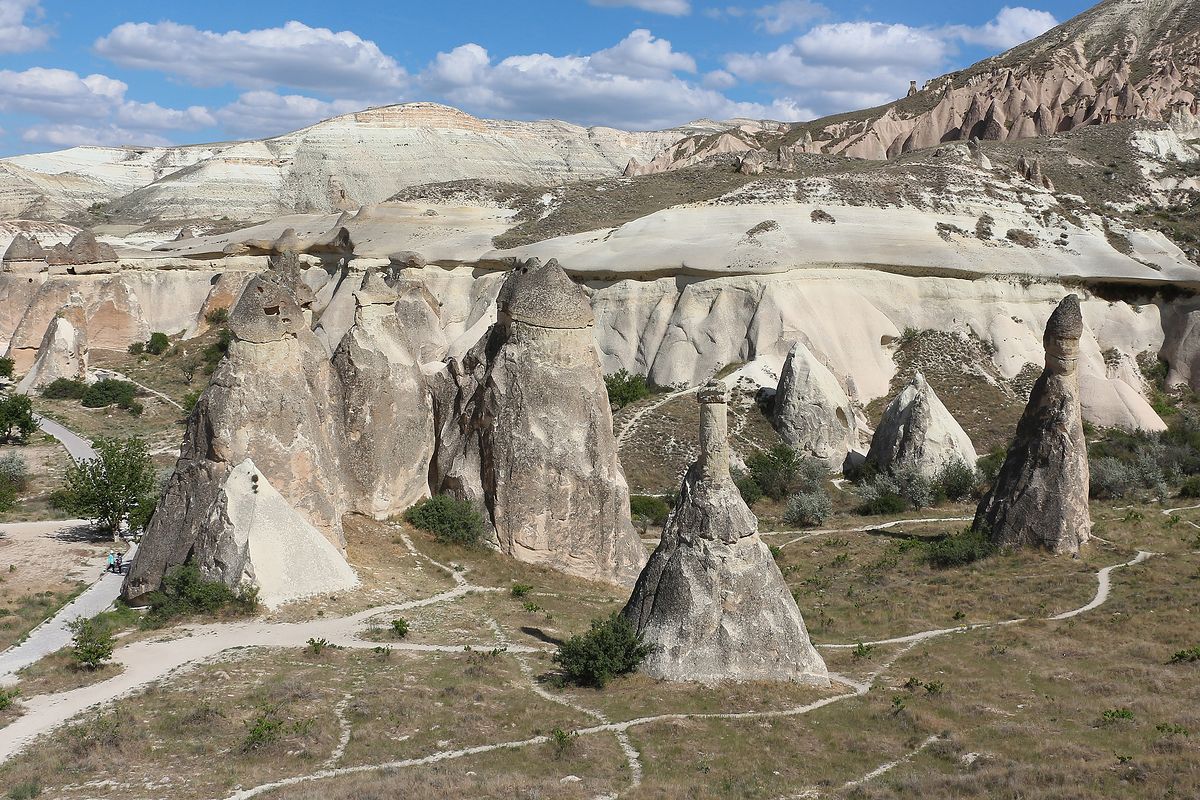
The famous chimneys, the ones with dark caps balanced on slender stems, are around Zelve, a valley that was lived in for centuries and abandoned in the last one, when the rock became too unsafe. The caps are harder stone that shields the softer tuff underneath; once a cap falls, the column below begins to wear away. Knowing that made me see them differently, rather like a row of old men keeping their hats on in the wind.
Soğanlı
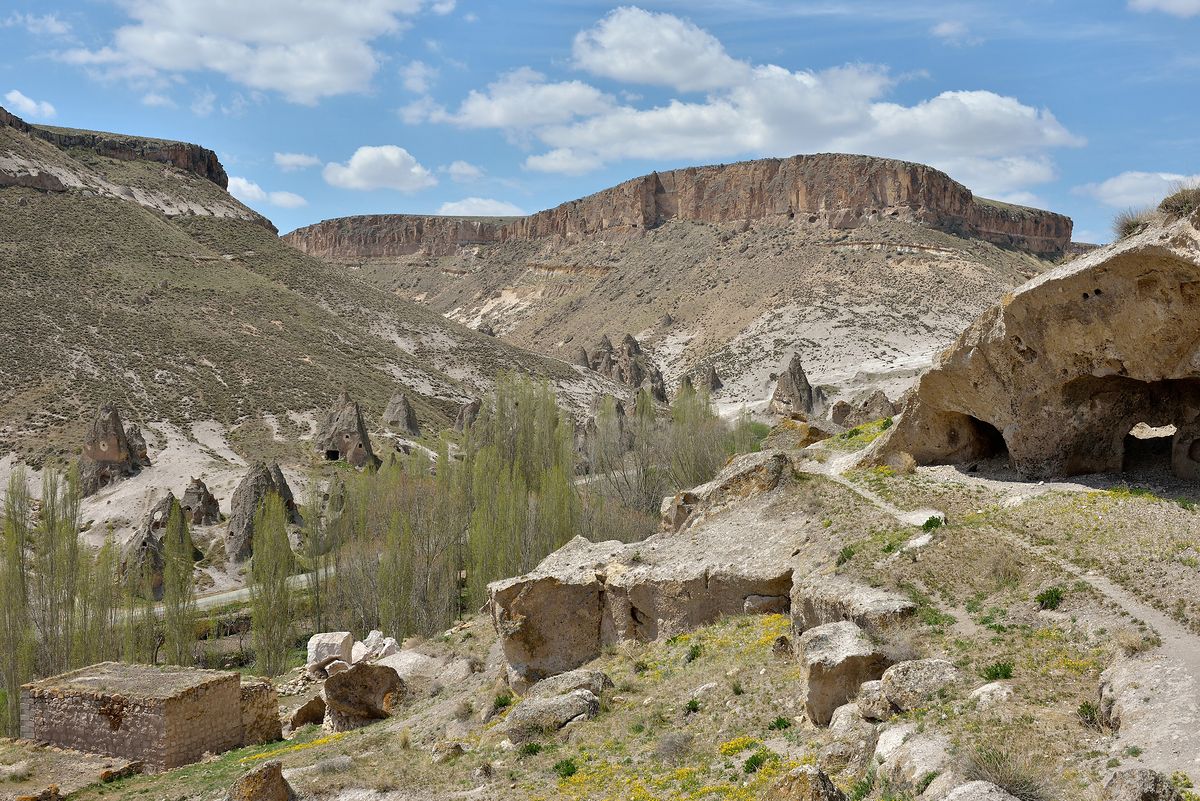
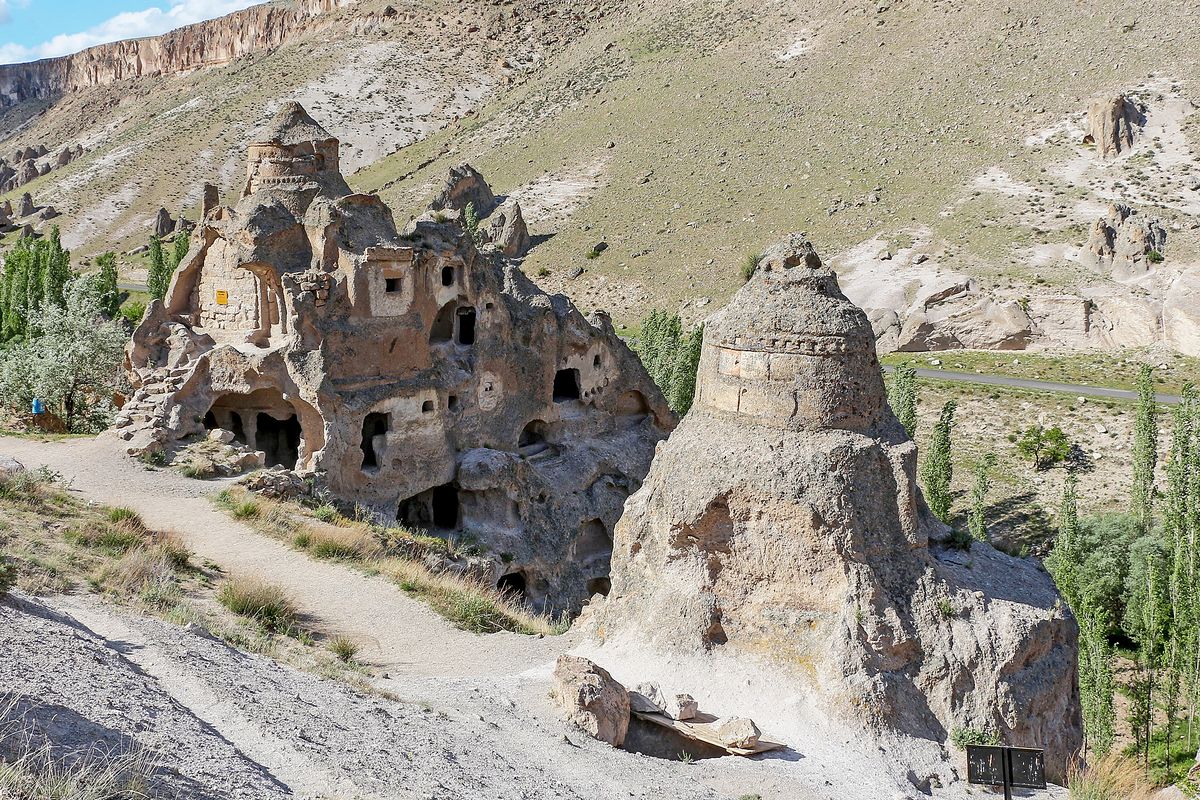
On our last full day we hired a car and drove south to the Soğanlı Valley, well away from the busy middle of Cappadocia. It was the best decision of the trip. The valley floor was green with new poplars, the rock churches were quiet, and we met more chickens than coaches. The Domed Church, its roof carved out of the top of a rock cone, is worth the drive on its own.
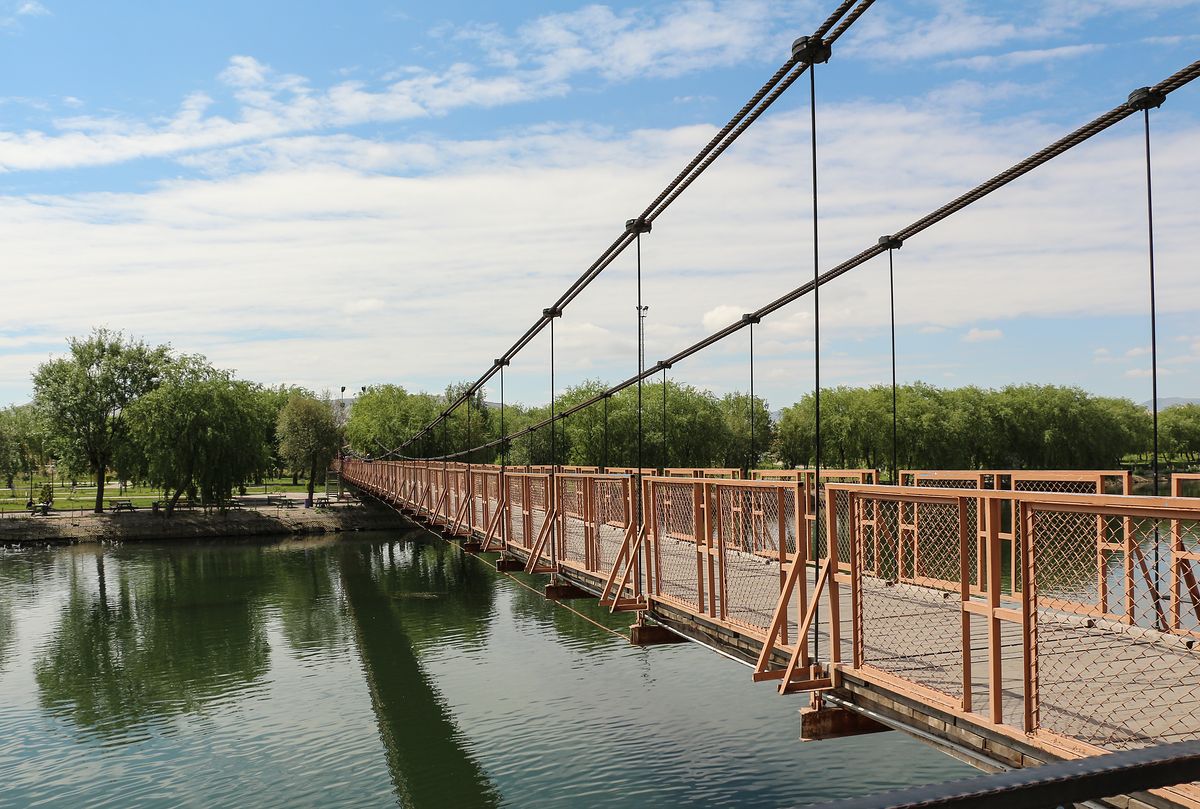
We came back through Avanos in the late afternoon and walked across the footbridge over the Kızılırmak, the Red River, which was brown and full and in no hurry at all. Clara suggested we stay out for the sunset. I reminded her the alarm was set for a quarter past five. For once, she agreed.