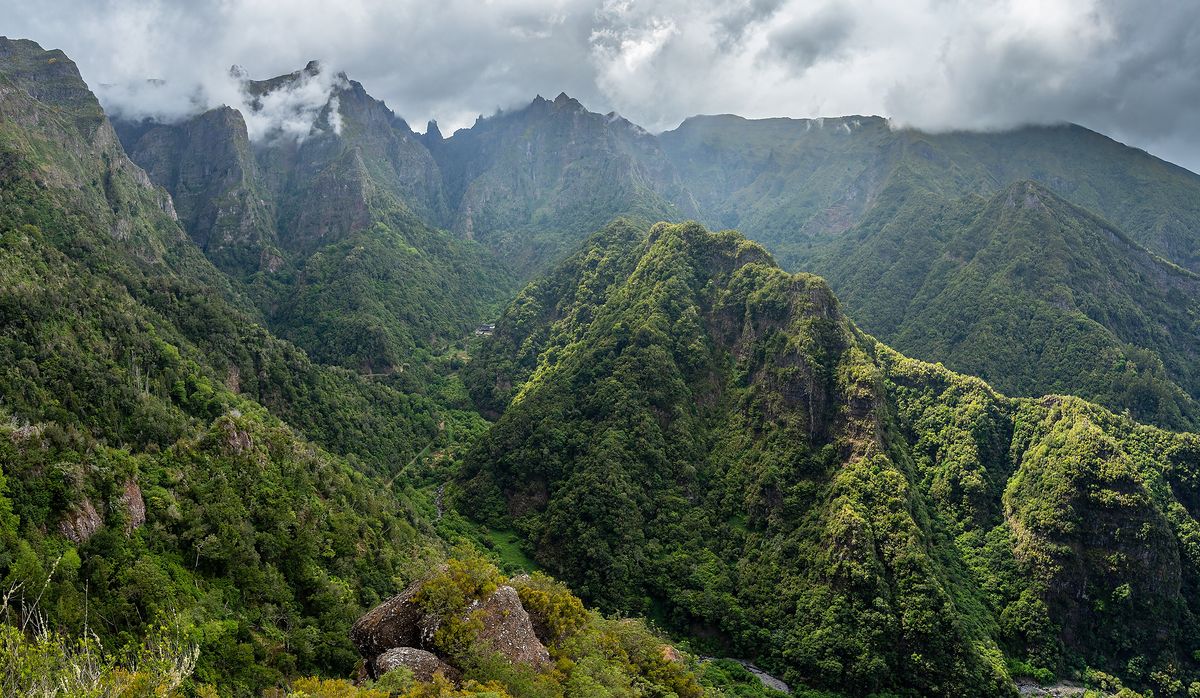
The First Ferry to Hallstatt
Early mornings in Hallstatt before the coaches arrive, a walk along a four-hundred-year-old brine pipeline, and two more Salzkammergut lakes in high summer.
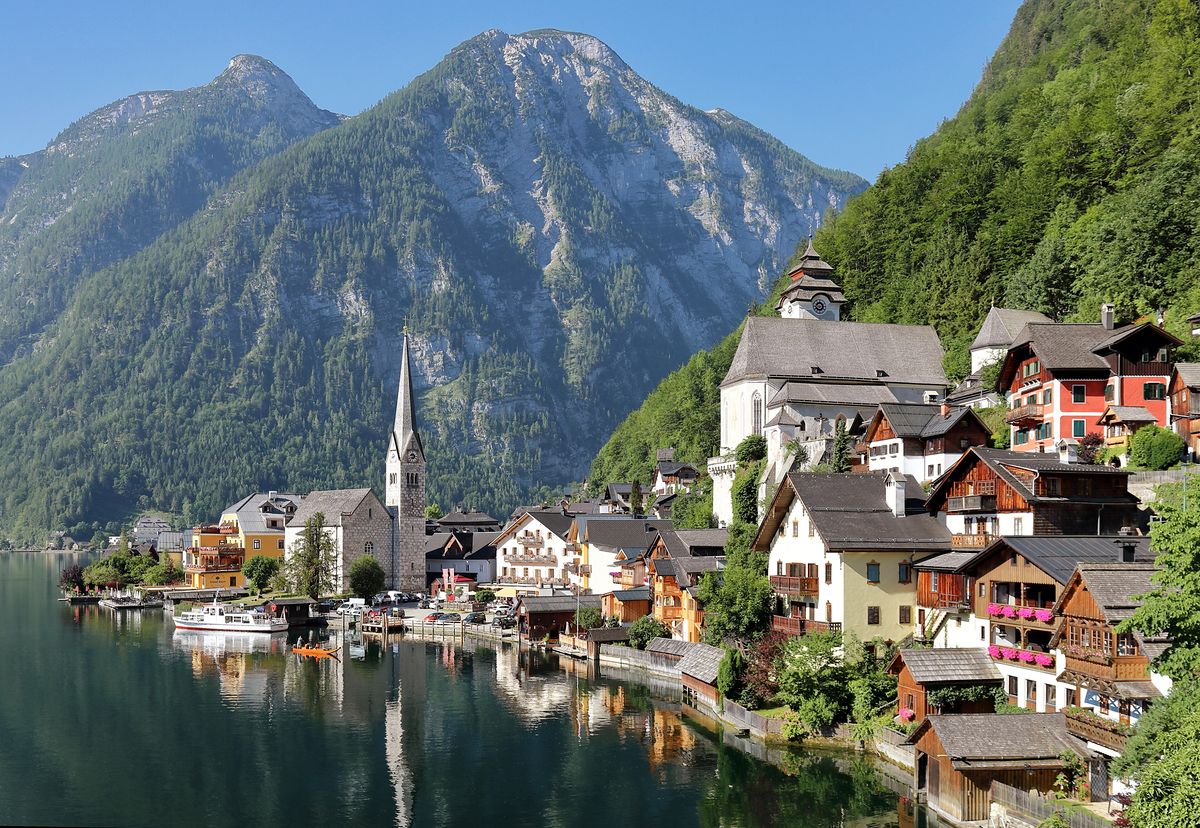
We came into the Salzkammergut the slow way, on the regional line that leaves the main railway at Attnang-Puchheim and follows the lakes south into the mountains. Past Gmunden it runs along the shore of the Traunsee, under the pale limestone wall of the Traunstein, and Tom spent most of that stretch leaning across the aisle, and a family’s picnic, to look at it.
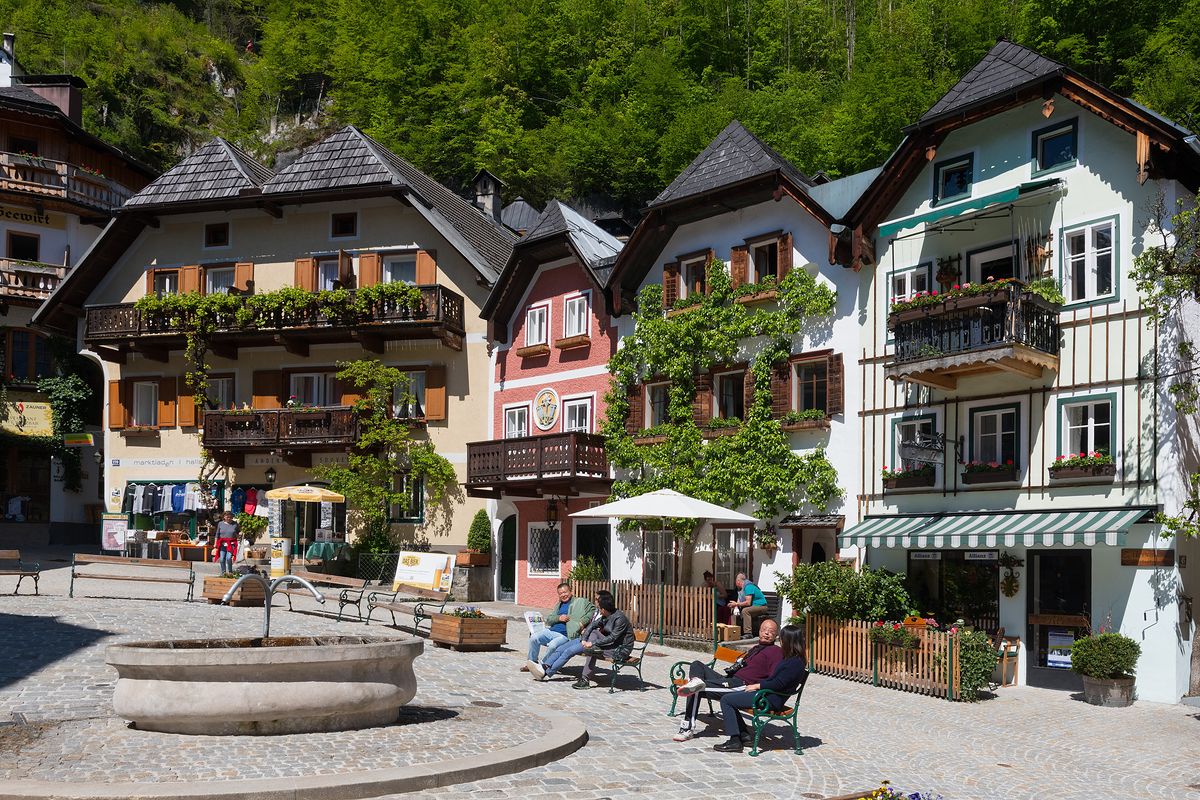
Hallstatt station is on the wrong side of the lake. You get off at a small halt on the eastern shore, walk down to a jetty, and a little ferry carries you across to the village. In late July the crossing is lovely and the village, by midday, is not: the coaches come in from Salzburg and the lanes fill shoulder to shoulder. We had heard all this before we went, so we stayed five nights and kept our village walking for the edges of the day.
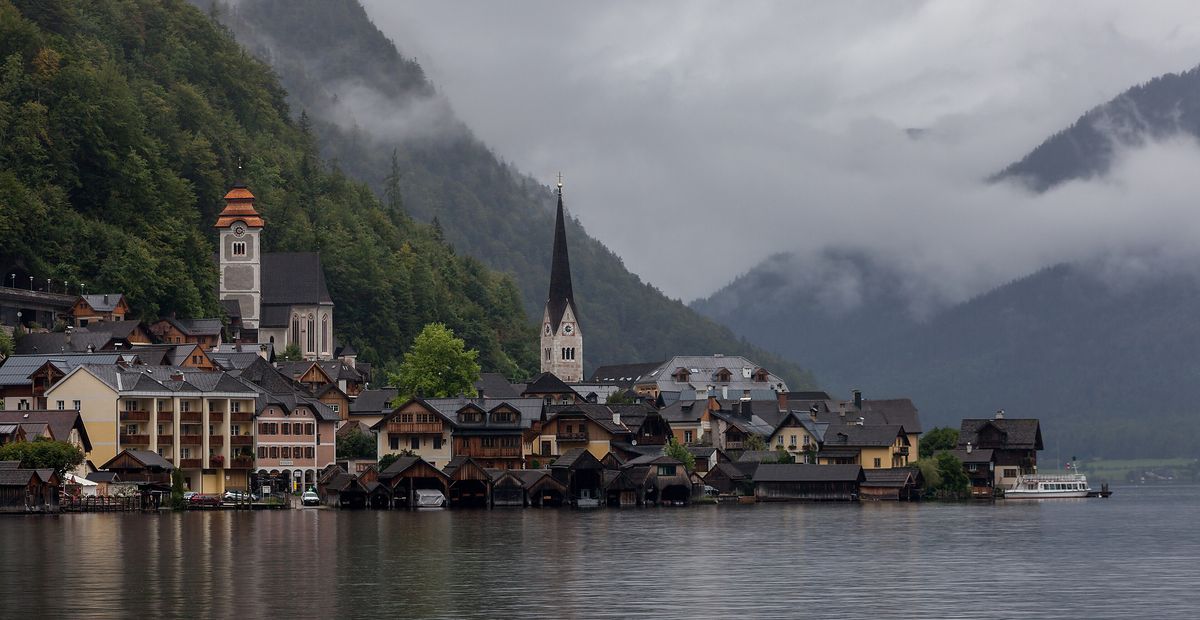
It rained on the first night, and at six the next morning the cloud was lying halfway down the mountains, the lake was the colour of pewter and the only sounds were water dripping off the boathouse roofs and a delivery van reversing somewhere behind the church. A lake steamer sat at the landing with nobody on it. It was cold enough for a jumper, which in July felt like a small victory.
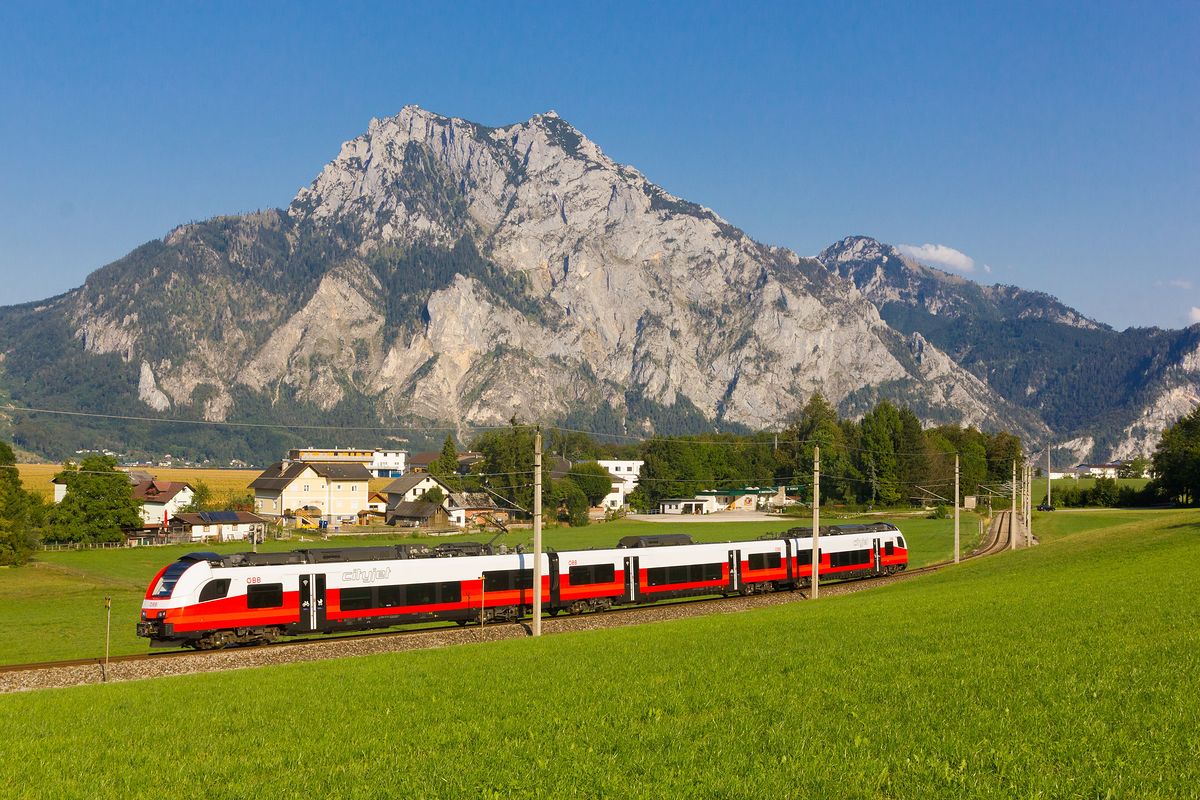
The following morning was clear, and we walked to the north end of the village for the view everyone comes for: the slim spire of the Protestant church at the water’s edge, the houses stacked up the slope behind, every one of them doubled in the lake. It is a famous view for good reason. By nine we were drinking coffee on the Marktplatz while the window boxes were watered and the first tour groups gathered by the fountain.
Up the steps
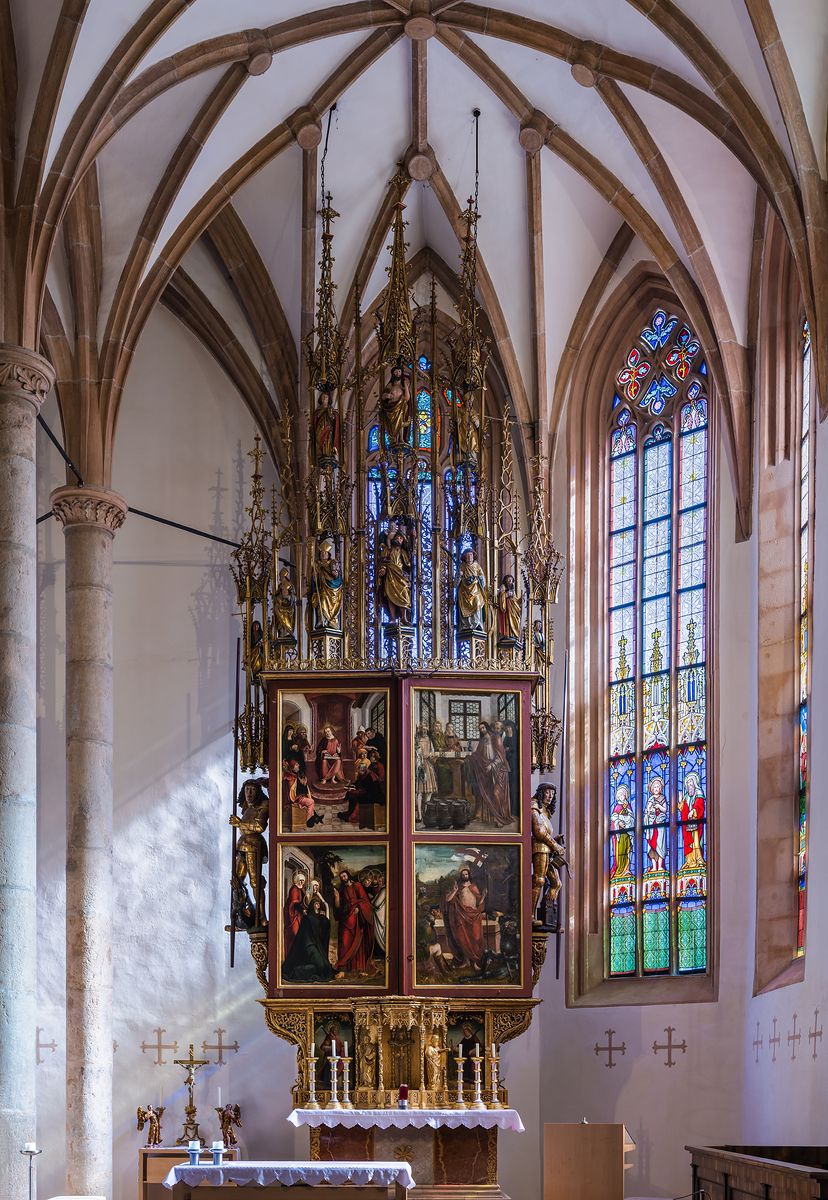
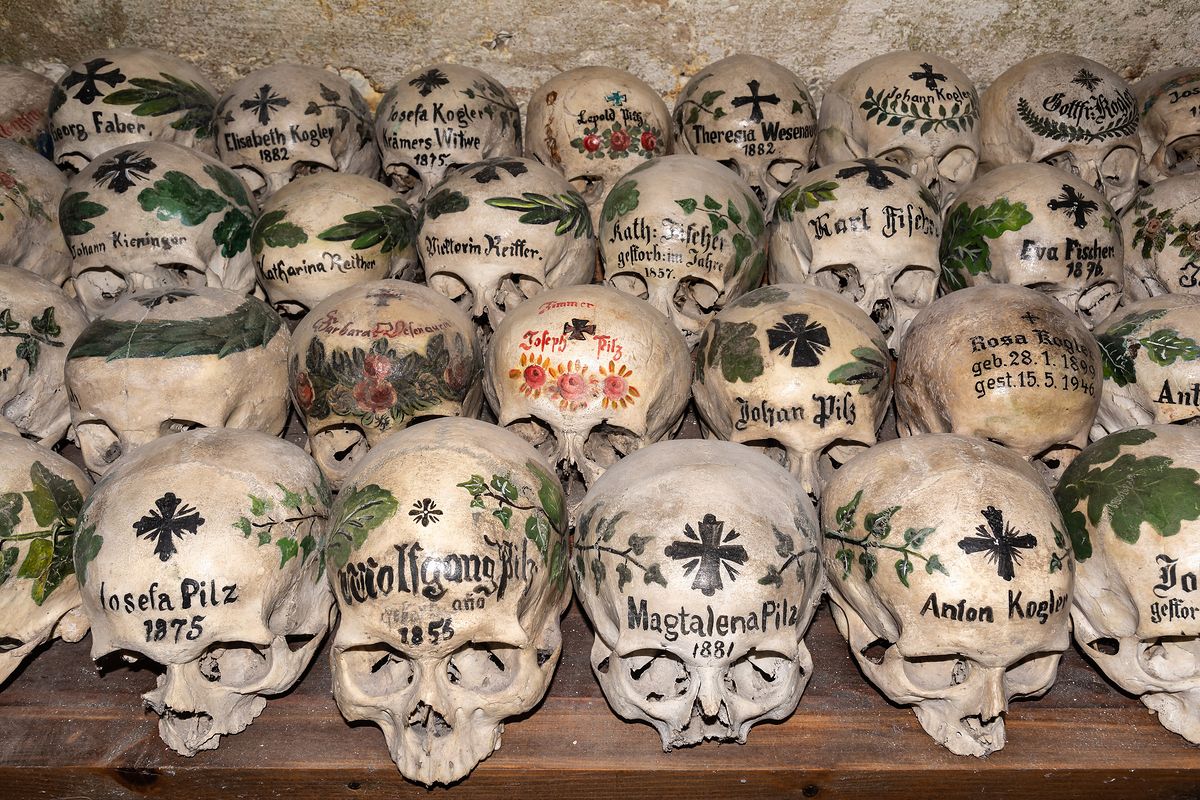
The Catholic church sits above the village, reached by a covered stair, and inside is a Gothic winged altar from the early sixteenth century, all gilded saints and painted panels. Next door, in the little chapel of St Michael, is the charnel house. The churchyard has no room to grow between mountain and lake, so for centuries graves were reused, and the bones were cleaned and the skulls painted with names, dates, crosses, ivy and roses, then stacked on shelves. I expected to find it ghoulish. Instead it felt like a family album, the same few surnames repeating along the rows.
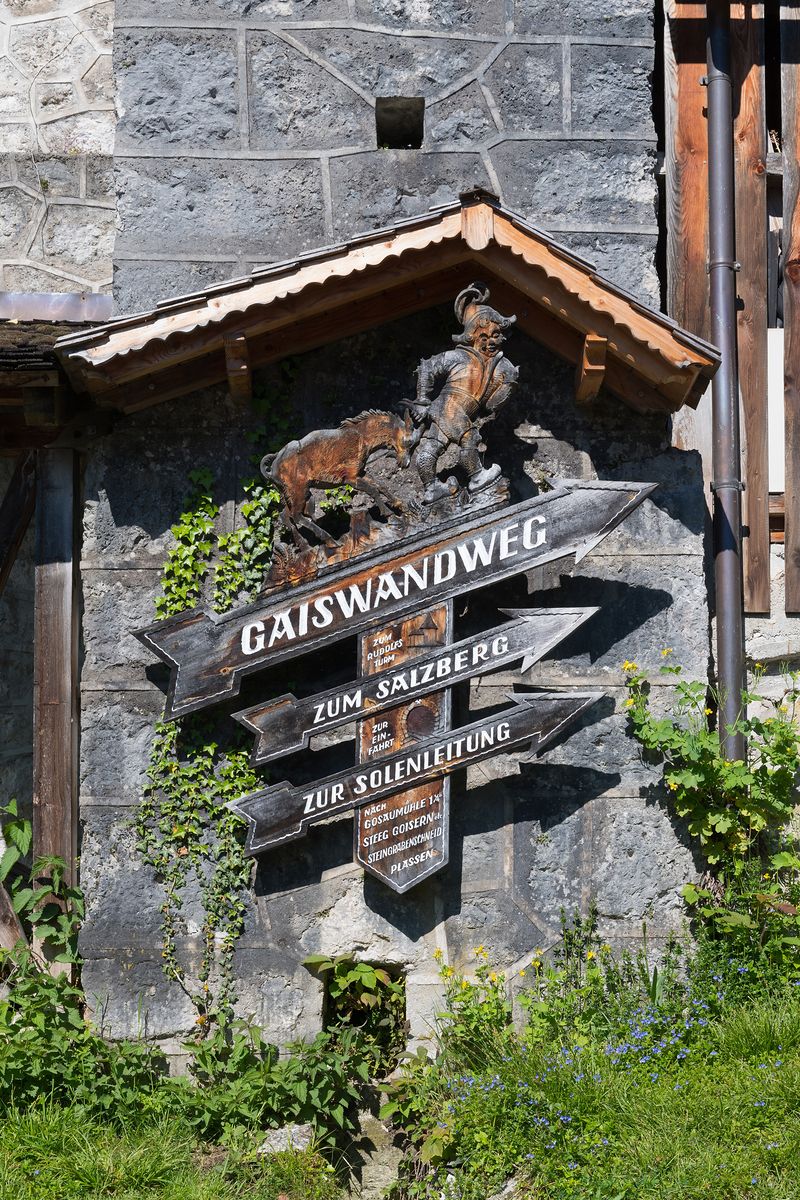
That afternoon we followed a carved signpost onto the Soleleitungsweg, the path beside the brine pipeline that has carried salt water from Hallstatt down the valley for more than four hundred years. It runs almost level, high above the lake, through beech woods and over the stone bridge at the Gosauzwang. We walked as far as Bad Goisern and then waited forty minutes for a bus that we had misread on the timetable. Tom blamed the timetable.
Two more lakes
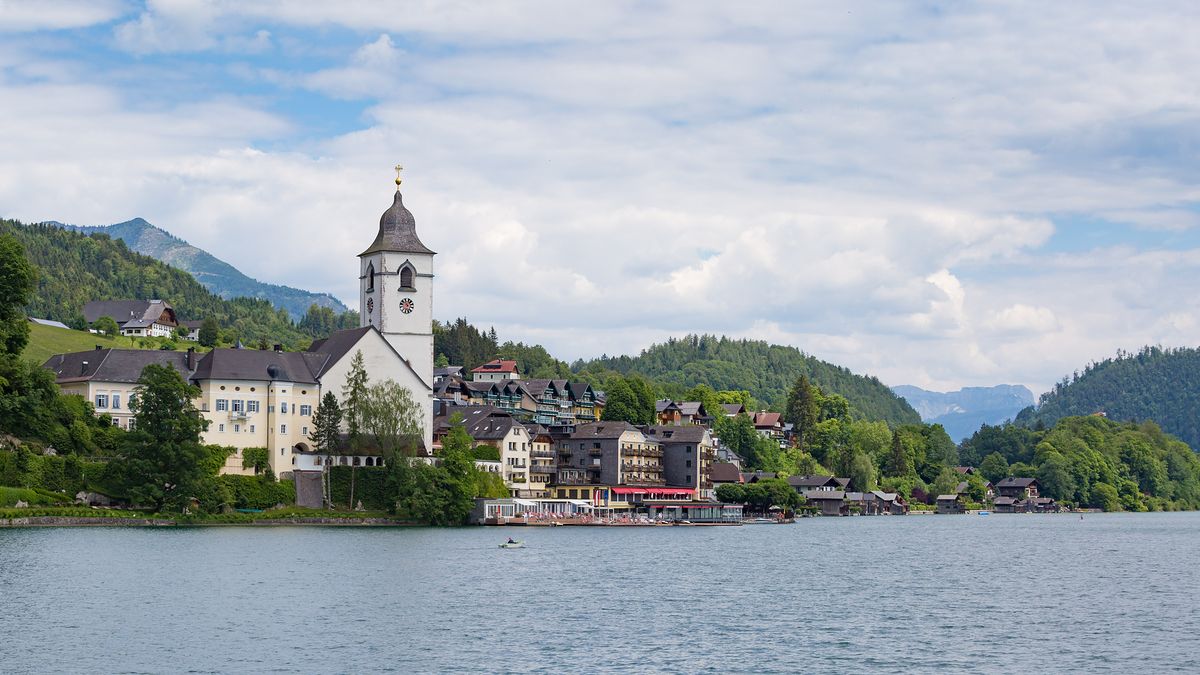
One day we went over to the Wolfgangsee, changing buses in Bad Ischl and taking the lake boat to St. Wolfgang. The pilgrimage church stands right on the shore, with a late-Gothic altar inside that is even grander than Hallstatt’s, and swimmers were dropping off the jetties below it all afternoon.
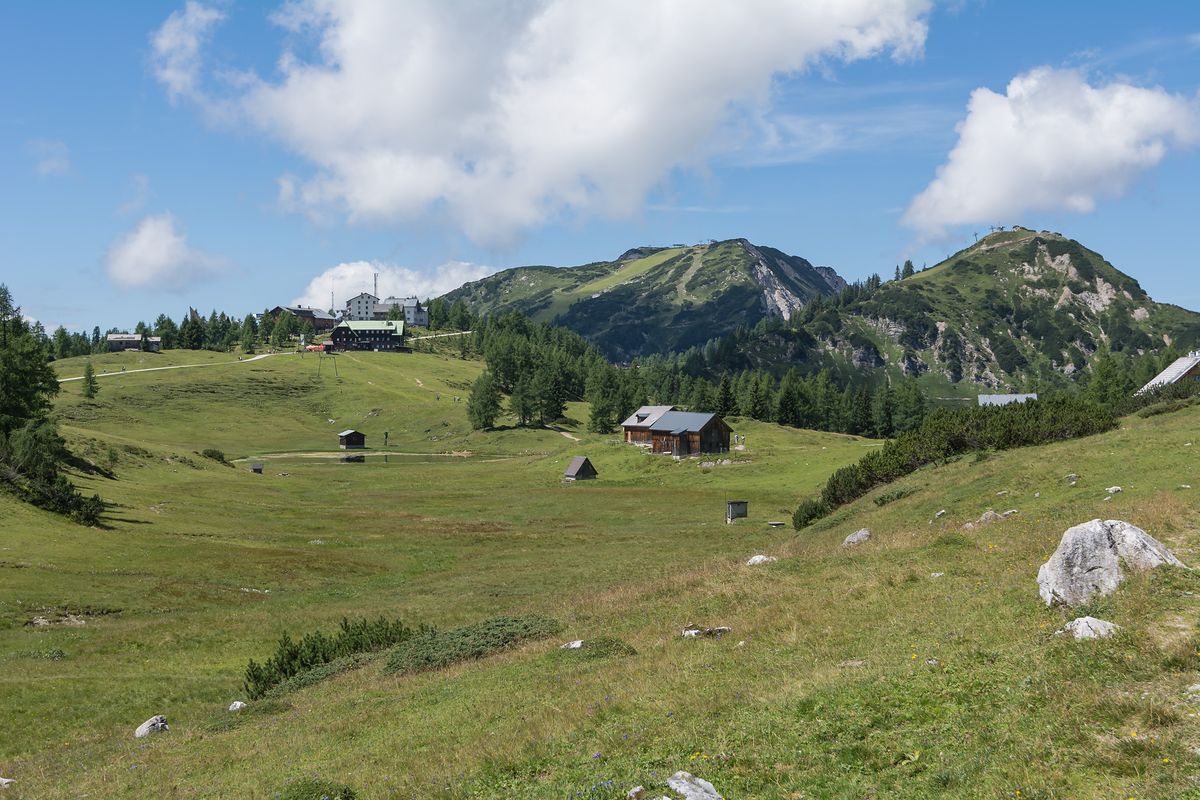
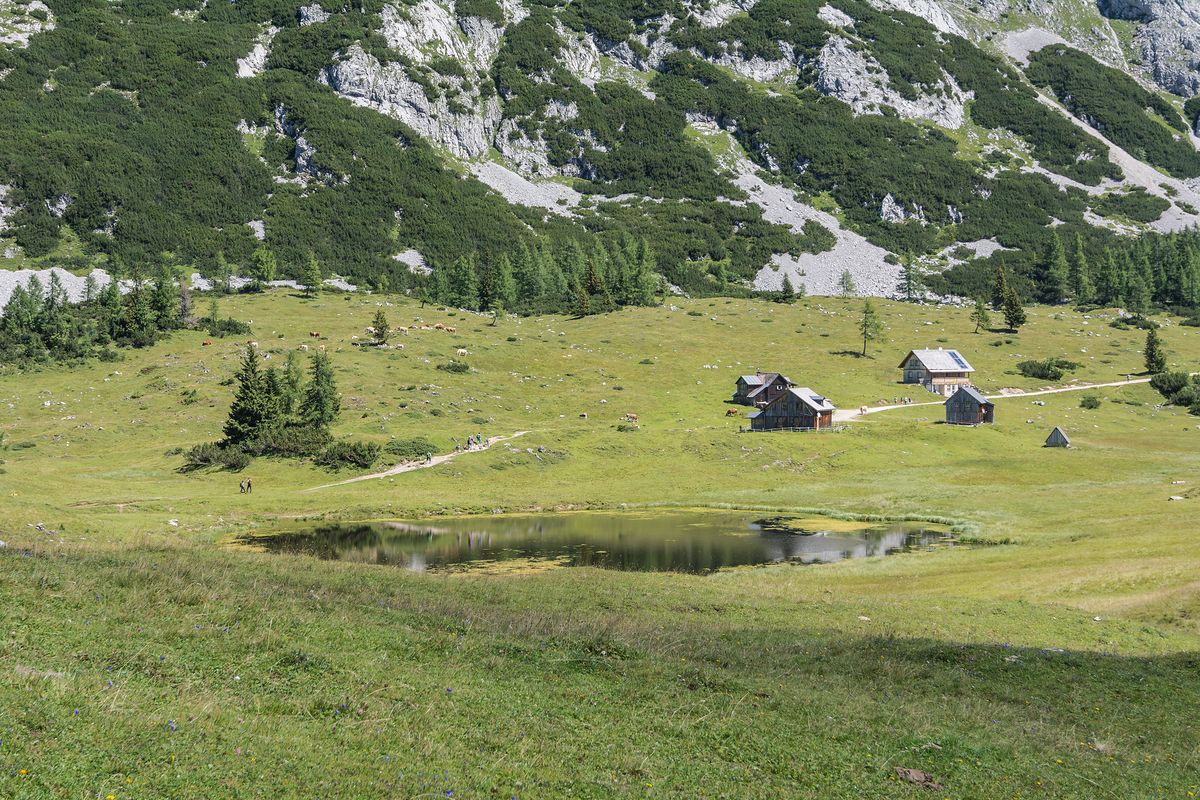
On our last full day we stayed on the train beyond Bad Aussee and went up onto the Tauplitzalm, a high plateau of pasture, small lakes and scattered huts. Cows grazed between the ponds and the wind smelt of hay. Tom tested the water of the Tauplitzsee with one hand and decided against it. We ate our bread and cheese on a rock and watched the clouds build over the Dachstein to the west, and caught the evening train back to the lake.